Samsung Floods Indian Market With 72 New TV Models, Betting Big on Micro LED and Neo QLED
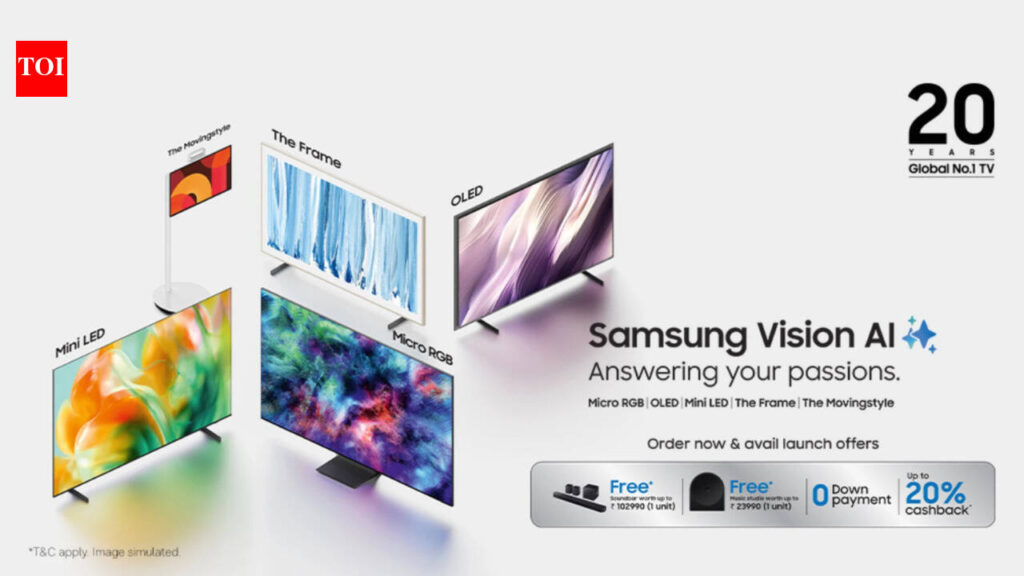
Table of Contents
The Scale of the 2026 Offensive
Samsung is not playing it safe with its 2026 display strategy in India. The company has unveiled a massive portfolio of 72 different TV models, a volume that signals a desperate push to capture both the ultra-premium luxury segment and the rapidly growing mid-range home cinema market. While the sheer number of SKUs might seem overwhelming, the core of the strategy is clear: diversification of panel technology to ensure there is a Samsung screen for every possible budget and room size.
The centerpiece of this rollout is the aggressive push of Micro LED technology. Long relegated to the realm of “concept showcases” and prohibitively expensive custom installations, Samsung is now integrating Micro LED into a more streamlined consumer offering. Unlike OLED, which relies on organic compounds that can degrade over time, Micro LED uses non-organic gallium nitride pixels. This allows for the same perfect blacks and infinite contrast as OLED but with significantly higher peak brightness and a total absence of burn-in risk—a critical selling point for Indian consumers who often leave news channels or sports tickers running for hours.
Neo QLED vs. OLED: The Battle for the Living Room
While Micro LED captures the headlines, the bulk of the volume will likely move through the Neo QLED and OLED series. Samsung’s 2026 Neo QLED range continues to lean on Quantum Mini LED technology, utilizing an evolved AI Upscaling processor that aims to bridge the gap between 4K content and the 8K panels being pushed in the larger 75-inch and 85-inch variants. The focus here is on luminance; these sets are designed to combat the high ambient light found in typical Indian living rooms, where glare is a constant struggle.
Conversely, the OLED lineup is being positioned for the “cinephile” demographic. Samsung has tweaked the color calibration for the 2026 models to provide more natural skin tones and improved shadow detail. By offering both OLED and Neo QLED, Samsung is effectively hedging its bets: one for the dark-room theater experience and the other for the bright, multi-purpose family room.
Technical Divergence in the 72-Model Mix
The sheer variety of the 72 models suggests a granular approach to pricing. We are seeing a proliferation of screen sizes, ranging from compact 43-inch sets for bedrooms to monolithic 98-inch displays. The software experience remains anchored in Tizen OS, but the 2026 versions emphasize deeper integration with the SmartThings ecosystem, allowing the TV to act as a central hub for IoT devices across the home.
| Technology | Primary Advantage | Target User |
|---|---|---|
| Micro LED | Infinite Contrast & High Brightness | Ultra-Premium / Enthusiast |
| Neo QLED | Anti-Glare & Peak Luminance | Bright Living Rooms |
| OLED | Perfect Blacks & Color Accuracy | Movie Buffs / Gamers |
| Mini LED | Balanced Value & Contrast | Mid-to-High Range |
The Strategic Play for India
India’s TV market has shifted. There is a documented move away from basic LED panels toward “premiumization.” Consumers are no longer just looking for a screen; they are looking for a centerpiece. By launching 72 models simultaneously, Samsung is attempting to crowd out competitors like Sony and LG, while simultaneously building a moat against the aggressive pricing of Chinese brands like Xiaomi and TCL.
The inclusion of Micro LED in a consumer-facing lineup is a power move. It establishes a technical ceiling that competitors struggle to match in terms of longevity and brightness. However, the success of this launch will depend on whether Samsung can translate these technical specs into localized value—specifically through aggressive exchange offers and financing plans that make a 75-inch Neo QLED feel accessible to the upper-middle class.


