The Technical Legacy of Top Gun: How 1986’s Cinematic High-Flyer Changed Aviation Filming
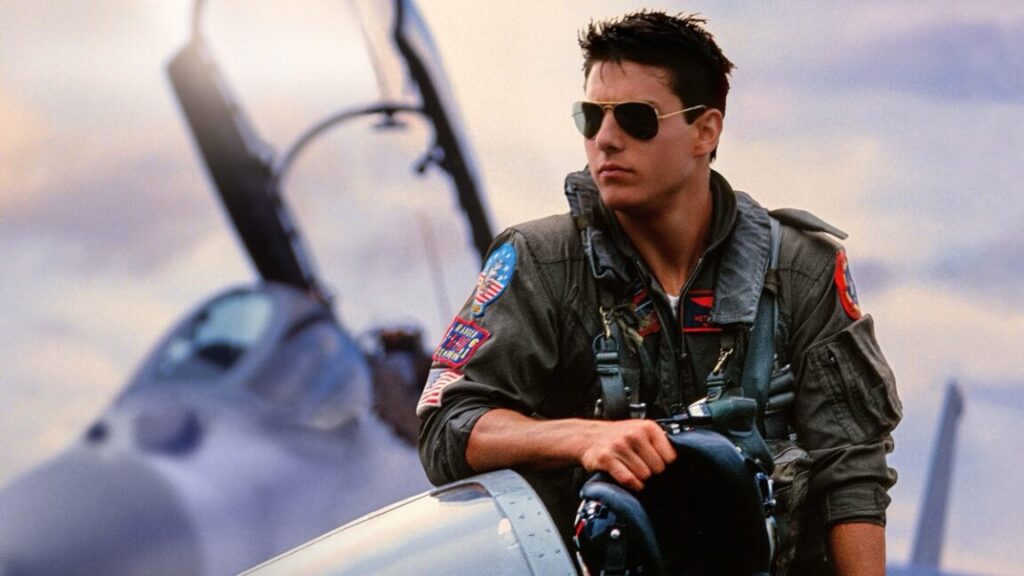
Table of Contents
A Masterclass in 80s Visual Spectacle
When Top Gun roared into theaters in 1986, it wasn’t just a movie; it was a cultural phenomenon that blurred the line between entertainment and a high-budget recruitment brochure for the US Navy. While critics at the time were divided on the plot’s simplicity, the global audience was captivated by something far more visceral: the sheer, kinetic energy of the flight sequences. Nearly four decades later, those scenes remain the gold standard for aerial cinematography, proving that practical effects and daring camera work often outlast digital polish.
The film’s DNA can be traced back to a 1983 California magazine feature on the Naval Air Station Miramar in San Diego, famously known as “Fightertown USA.” For producers Jerry Bruckheimer and Don Simpson, the allure wasn’t just in the jets, but in the lifestyle and the high-stakes atmosphere of elite aviation. To capture this, screenwriter Jack Epps Jr. went beyond standard research, attending declassified academy classes and experiencing the G-forces of an F-14 flight firsthand to ensure the dialogue and tension felt grounded in reality.
The Struggle for the Perfect Shot
Directing Top Gun fell to Tony Scott, a man whose resume at the time consisted of a single feature film, The Hunger. However, Scott possessed a secret weapon: a background in high-concept commercials. Having previously filmed a Saab car racing against a Saab 37 Viggen fighter jet, Scott understood how to marry speed with a specific visual aesthetic.
The technical challenges of filming inside a cockpit are immense. The space is cramped, the vibration is violent, and the lighting is unpredictable. In a decision that defined the film’s grain and texture, Scott opted for Super-8 film for much of the aerial footage. Standard anamorphic lenses were simply too bulky to fit inside the narrow confines of the F-14A Tomcat cockpits. By utilizing smaller cameras and mounting them directly to the aircraft, Scott was able to place the audience inside the helmet of the pilot.
Much of the breathtaking air-to-air footage was captured from a Learjet, which served as a stable platform for the camera crews to chase the fighter jets. This allowed for the sweeping, orange-hued vistas and the aggressive close-ups that made the aircraft feel like characters in their own right.
The Human Cost of Realism
The production’s commitment to authenticity was bolstered by unprecedented cooperation from the US Navy, which provided aircraft, carriers, and active crews. Much of the flight deck footage was not staged; it was the result of capturing actual carrier operations in real-time. The stunt work was handled by elite pilots, including future NASA astronaut Scott Altman, who executed the daring “flipping the bird” maneuver and the legendary tower-buzzing sequences.
However, the pursuit of realism came with a heavy price. The production suffered a tragedy when aerobatic pilot Art Scholl, who was instrumental in the in-flight camera work, disappeared during a flat spin maneuver. Scholl crashed his biplane into the Pacific Ocean near Carlsbad, California. Neither his body nor the wreckage was ever recovered, and the film carries a dedication to his memory—a sobering reminder of the risks taken to achieve the film’s visceral intensity.
Beyond the Screen
The impact of Top Gun extended far beyond the box office’s $358 million haul. It fundamentally altered the public perception of naval aviation and led to a documented spike in US Navy enlistments. The film succeeded because it didn’t just show jets; it captured the psychology of the “edge”—the thin line between confidence and arrogance that defined characters like Maverick and Iceman.
Even as the 2022 sequel Top Gun: Maverick pushed the boundaries of modern IMAX technology, the original remains a testament to the power of practical filmmaking. It stands as a moment in time when the right combination of military access, technical improvisation, and a director’s eye for style created a cinematic experience that still feels fast, loud, and undeniably real.