The Starship Paradox: SpaceX’s S-1 Filing Reveals a Fragile Balance Between Ambition and Economics
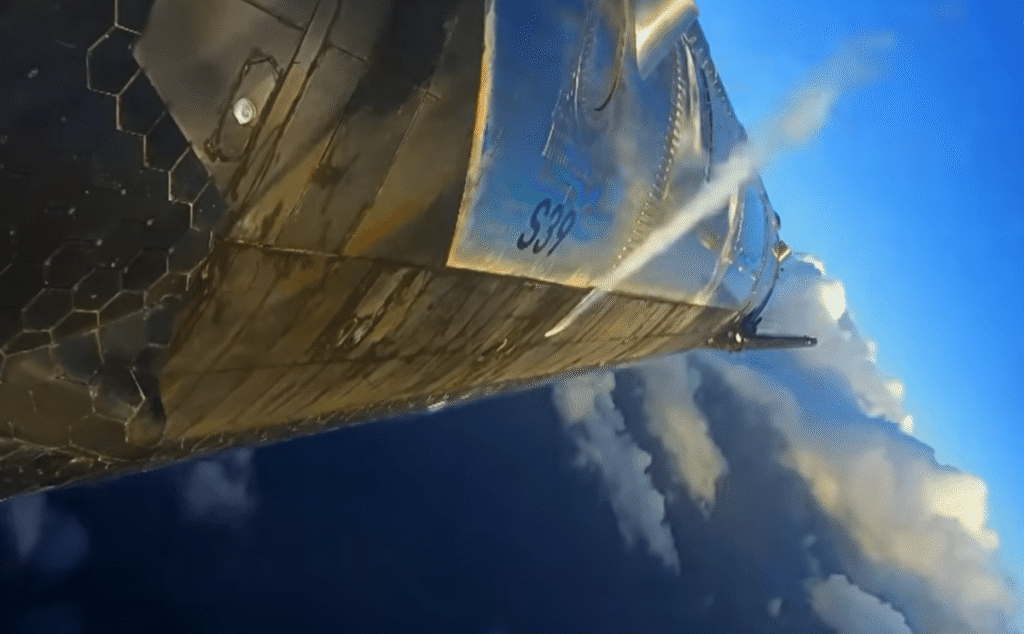
Table of Contents
The High Cost of Low Earth Orbit
For years, the narrative surrounding SpaceX has been one of inevitable disruption. The promise was simple: build a fully reusable rocket, slash the cost of access to space, and turn the orbital economy into a gold mine. However, the company’s recent S-1 filing with the U.S. Securities and Exchange Commission, coupled with the latest flight data from the Starship program, suggests a more complicated financial reality. While the top-line numbers are impressive, the underlying mechanics of the business reveal a company locked in a high-stakes capital expenditure treadmill.
At the heart of this tension is Starlink. The satellite constellation is the primary engine of SpaceX’s revenue, generating $11.4 billion last year. But this growth comes with a brutal maintenance requirement. According to the filing, SpaceX must replace approximately 20% of its satellite fleet annually just to maintain service levels. This creates a cycle where the company spends nearly as much on satellite infrastructure ($11.4 billion since early 2023) as it does on the development of the Starship launch system ($8.4 billion).
The Reusability Gamble
Elon Musk has long positioned Starship as the essential tool for keeping Starlink viable, arguing that without the ability to launch massive payloads cheaply, the constellation’s costs would become unsustainable. Yet, the S-1 contains a surprising admission: full reusability of Starship is not strictly necessary to deploy the next generation of high-throughput satellites. This may seem like a fallback plan, but from an economic perspective, it is a dangerous concession.
If SpaceX is forced to treat Starship—or at least its upper stage—as expendable, the cost advantages over the venerable Falcon 9 begin to evaporate. Tim Farrar, a satellite market analyst, recently noted that without full reusability, the cost per launch could hover around $100 million. While the 100-ton payload capacity is a massive upgrade, the financial efficiency would be marginal if the hardware is discarded after every flight. The recent test flight of the third Starship version underscored these risks, as the company struggled with the critical relighting of Raptor engines required for a controlled return to Earth.
A Shift in Launch Strategy
There is a growing suspicion that SpaceX may begin launching its new 60-satellite batches using expendable Starships later this year. While this would allow them to hit deployment targets and increase capacity twentyfold compared to a Falcon 9, it would fundamentally alter the company’s cash flow. The dream of space-based data centers and massive orbital infrastructure relies on a cost-per-kilogram that only true reusability can provide. If Starship remains partially expendable, those frontier business models may remain theoretical for years.
Stagnation in the Satellite Market
The financial pressure is compounded by a cooling trend in Starlink’s user growth. While the network boasts over 10 million subscribers, the rate of acquisition slowed during the first quarter of 2026. This trend is particularly concerning given the decline in Average Revenue Per User (ARPU), which dropped from $99 in 2023 to $66 in early 2026. This dip is largely a result of SpaceX expanding into international markets where pricing must be lower to remain competitive.
The market is also becoming crowded. Amazon’s Project Kuiper is moving toward the scale necessary to challenge SpaceX’s dominance, provided it meets the FCC’s deadline to launch 1,600 satellites. If the total addressable market for space broadband is smaller than Musk’s optimistic projections—which assume a significant portion of the global population will bypass terrestrial fiber—SpaceX may find itself with an overbuilt infrastructure and a diminishing return on investment.
Ultimately, the S-1 filing paints a picture of a company that is winning the race but is exhausted by the pace. The transition from the Falcon era to the Starship era is not just a technical hurdle; it is a financial tightrope walk where the margin for error is shrinking.


