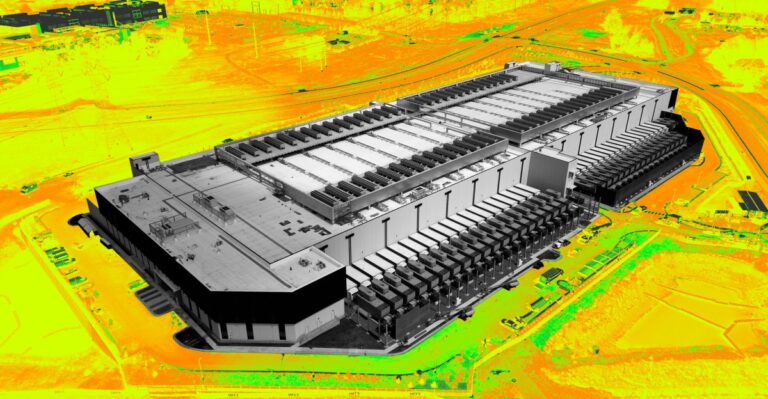
The Silicon Divide: Taiwan’s AI Boom is Creating a Two-Tier Economy
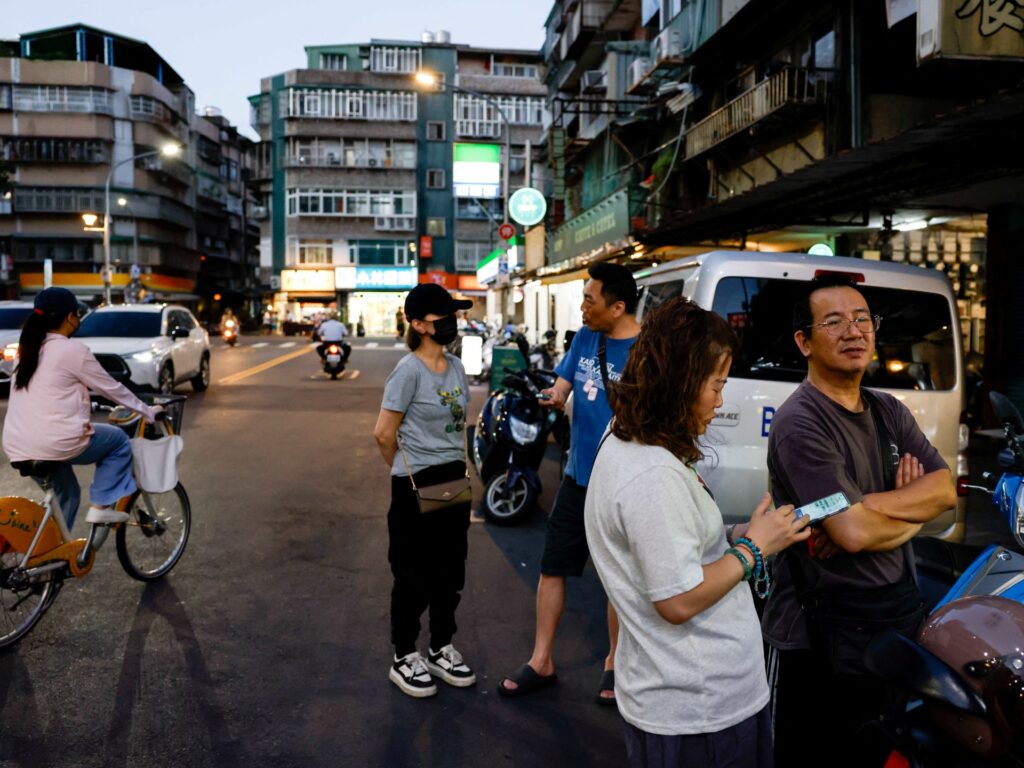
Table of Contents
The Highs of the Semiconductor Surge
For engineers at firms like ASUS, the current era of artificial intelligence feels like a gold rush. The energy is palpable, peaking annually at events like Computex, where the global appetite for AI infrastructure is on full display. Taiwan has effectively become the world’s foundry, producing roughly 90% of the most advanced semiconductors that power LLMs like OpenAI’s GPT series and Anthropic’s Claude.
The macroeconomic data is staggering. Taiwan’s GDP climbed 8.63% in 2025, followed by an aggressive 13.69% expansion in the first quarter of 2026. Exports surged to $640.7 billion last year, with tech-related goods and services comprising more than two-thirds of that total. At the center of this is Taiwan Semiconductor Manufacturing Company (TSMC), a behemoth that now accounts for more than 40% of the value of the island’s entire stock market, serving as the primary architect for Nvidia and Apple’s hardware ambitions.
The ‘K-Shaped’ Reality
Despite these headline numbers, a stark divergence is emerging within the domestic economy. Yang Chin-lung, Governor of Taiwan’s Central Bank, has explicitly warned of a “K-shaped economy”—a phenomenon where one segment of the population sees its wealth skyrocket while another stagnates or declines.
The paradox lies in the employment numbers. While semiconductors drive a massive portion of the GDP, they are not a primary source of mass employment. According to data from Dachrahn Wu at National Central University’s Research Center for Taiwan Economic Development, the semiconductor sector employs only about 300,000 people. Even when expanding the scope to the broader electronics and IT manufacturing industry, the workforce totals around one million—a fraction of the seven million people employed in the service sector.
This creates a dual-society dynamic. Alicia Garcia Herrero, chief economist for Asia Pacific at Natixis, notes that the tech sector is essentially vacuuming up the best talent and the lion’s share of foreign capital, leaving non-tech industries to struggle with rising operational costs and stagnant wages.
A Departure from the ‘Living Room Factory’
This concentration of wealth marks a fundamental shift from the “Asian Tiger” era of the late 20th century. From the 1970s through the 1990s, Taiwan’s growth was built on a foundation of small and medium-sized enterprises (SMEs). Historian James Lin describes this as the “living room factory” model, where family-owned businesses specialized in niche components for consumer products. This decentralized structure ensured that economic gains were distributed more broadly across the middle class.
Today, that distribution has collapsed in favor of corporate giants. As land prices soar and capital flows almost exclusively toward semiconductor fabrication, the wealth gap has widened. This is further exacerbated by geopolitical headwinds. Chao-Hsi Huang, associate dean at the Taipei School of Economics, points out that while semiconductor exports often receive exemptions, traditional manufacturing is hit hard by U.S. tariffs and a lack of free trade agreements, leaving traditional exporters at a disadvantage compared to peers in South Korea or Japan.
The Stock Market as a Safety Valve
For those not benefiting from the AI payroll, the Taiwan Stock Exchange (TWSE) has become a speculative refuge. Between 2019 and 2025, the bourse more than doubled in value to $2.2 trillion. Changes in 2020 that lowered the barrier for retail investors to buy single stocks triggered a massive surge in participation. By January, the TWSE reported 13.77 million trading accounts—meaning roughly 60% of the population is now betting on the AI boom via the equity market.
While the government views the stock market as a tool for “inclusive prosperity,” the underlying wage data tells a different story. Real average wages grew only 1.4% in 2025. Because tech salaries are nearly double the national average, they skew the mean upward, leaving 70% of the population earning less than the statistical average. The result is a society where the machinery of the future is being built at record speed, but the economic dividends remain trapped within a narrow silicon corridor.