The Mystery of the Plastic Strip: Why the iPhone 17 Pro’s New Top-Edge Notch Matters
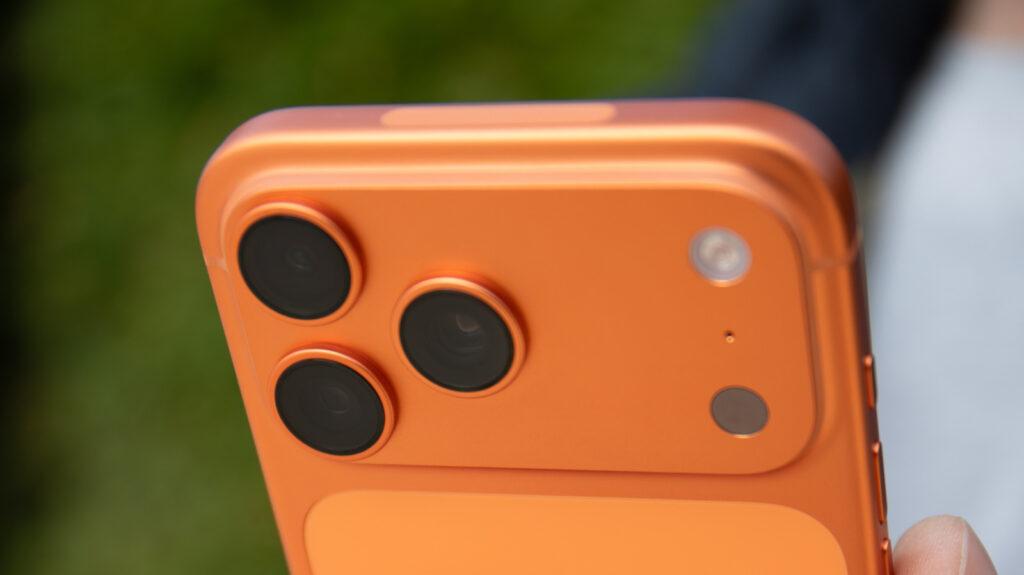
Table of Contents
A curious design quirk in the U.S. market
Early adopters of the iPhone 17 Pro and Pro Max in the United States have noticed a subtle but distinct architectural anomaly: a small, plastic-like strip embedded in the top edge of the device. To the casual observer, it looks like a manufacturing oversight or a leftover prototype element. On an otherwise seamless aluminum chassis, this RF-transparent window stands out, prompting a wave of speculation across forums and social media about hidden sensors or undocumented hardware.
The reality is less about a ‘secret feature’ and more about the physics of high-frequency radio waves. That strip is the aperture for the 5G mmWave (millimeter wave) antenna. If you are using an iPhone 17 Pro purchased in Europe or Asia, you won’t find this strip at all. The disparity exists because mmWave infrastructure is primarily deployed in North America, where carriers like Verizon and AT&T utilize these ultra-high-frequency bands to deliver gigabit speeds in dense urban environments.
The physics of aluminum vs. connectivity
The move to relocate the antenna to the top edge isn’t an arbitrary aesthetic choice; it is a response to the iPhone 17 Pro’s updated material composition. Apple has leaned heavily into a refined all-aluminum body for the Pro lineup, a move praised in early reviews for its weight and thermal properties. However, aluminum is a nightmare for radio frequency (RF) signals. Metals act as a shield, effectively blocking the short-range, high-frequency waves that mmWave relies on to function.
To prevent the chassis from acting as a Faraday cage, Apple must integrate ‘windows’ made of non-conductive, RF-transparent materials. Without this specific cutout, users in cities like New York or Los Angeles would likely experience significant signal degradation or total drop-offs when attempting to hit the peak 5G speeds the hardware is capable of.
A shifting map of antenna placement
The placement of the mmWave window has been a moving target for Apple since the introduction of 5G with the iPhone 12. Each generation has seen a slight migration based on internal component shifts and the addition of new physical controls.
- iPhone 12 Pro: The window was positioned conservatively below the power button.
- iPhone 14 Series: Apple shifted the aperture to the upper right side of the frame.
- iPhone 16 Pro: The antenna was pushed further back, likely to clear internal space for the capacitive Camera Control button.
- iPhone 17 Pro: The window has now migrated to the absolute top edge.
This migration is often driven by the “death grip” problem—the tendency for a user’s hand to accidentally cover an antenna, which can plummet data speeds. By moving the aperture to the top edge, Apple has effectively placed the antenna in a ‘dead zone’ where the human palm is unlikely to interfere during standard handheld use.
Why the base iPhone 17 is different
Interestingly, the standard iPhone 17 does not share this top-edge strip. While the base model also utilizes an aluminum frame, it differs in its structural assembly, specifically the glass-to-metal ratio on the rear. Apple was able to tuck the antenna systems behind the glass back panel of the base model, removing the need for a visible external slit. The Pro model’s more complex internal architecture and different thermal shielding requirements made the top-edge window the most viable engineering solution for the U.S. variant.
For most users, the strip is a non-issue, but for those tracking Apple’s hardware evolution, it serves as a clear indicator of the ongoing struggle between industrial design and the uncompromising laws of physics.