Inside the Selection Process for Startup Battlefield 2026: What TechCrunch Really Wants from Founders
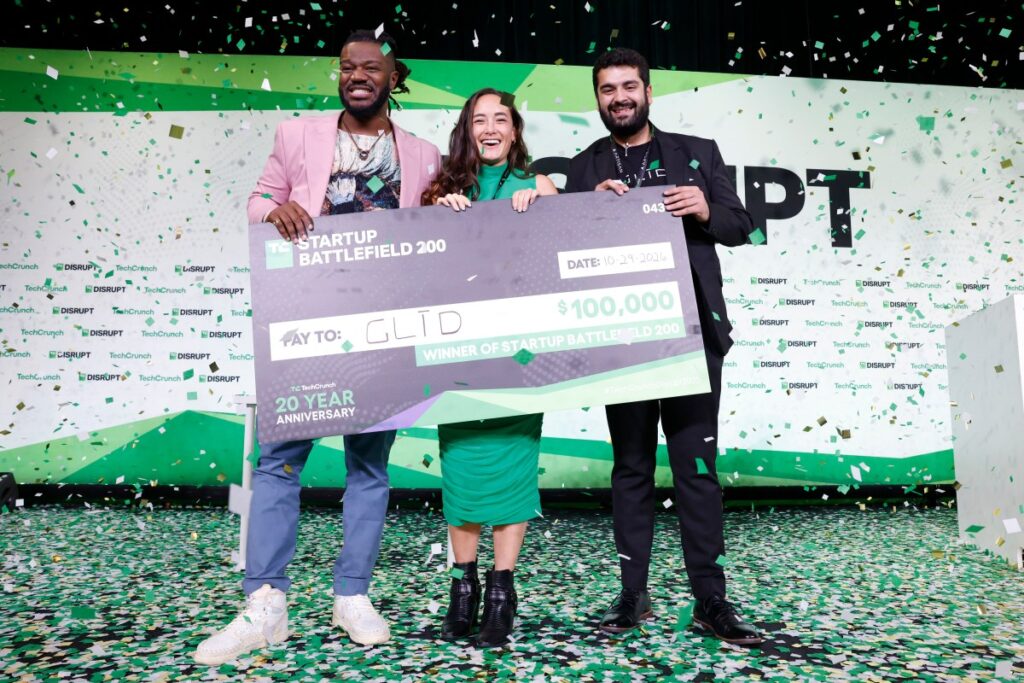
Table of Contents
The Search for the Next Category-Definer
For the venture capital ecosystem, TechCrunch Disrupt remains one of the most visible launchpads for early-stage companies. At the center of this is Startup Battlefield, a competition that has historically catapulted companies like Cloudflare and Discord into the global spotlight. As the May 27 application deadline approaches, the criteria for entry are shifting away from traditional corporate polish and toward raw, disruptive potential.
The recurring challenge for the selection committee is a paradox: the founders most likely to succeed on the Disrupt stage are often the ones who hesitate to apply. Many early-stage entrepreneurs self-select out, believing they lack the necessary traction or revenue milestones. However, the editorial and scouting mandate for Battlefield 2026 is specifically designed to find companies before they become obvious successes.
Beyond the Pitch Deck: What Judges Prioritize
The evaluation process for the Startup Battlefield 200—the global cohort of companies selected for the program—focuses on three primary pillars: product utility, founder conviction, and market awareness.
The most critical requirement is a functional Minimum Viable Product (MVP). In an era of AI-generated mockups and slick explainer videos, the committee is prioritizing raw evidence of a working product. A rough screen recording of a prototype is viewed as more valuable than a high-production marketing video. The goal is to verify that the technology actually exists and functions, regardless of whether it has a polished user interface.
Equally important is the founder’s narrative. While market size (TAM) is a standard metric in any VC pitch, Battlefield judges are looking for the “why now” and “why you.” Conviction—the ability to articulate a specific insight that others have missed—often outweighs a perfectly manicured slide deck. The program seeks founders who can explain how their product makes current industry standards feel obsolete, rather than offering an incremental improvement to an existing service.
Breaking the “No Competitors” Myth
A common pitfall in early-stage applications is the claim that a company has no competitors. From an editorial and investment perspective, this is viewed as a red flag indicating a lack of market research. A strong application acknowledges the existing competitive landscape and provides a specific, technical, or strategic reason why their approach wins.
The program’s inclusivity also extends to funding stages and geography. While Silicon Valley remains a hub, the 2026 cohort is actively seeking geographic diversity to ensure the global nature of tech innovation is represented. This includes bootstrapped companies and those in pre-seed or seed stages. While Series A companies are considered, they are reviewed on a case-by-case basis, particularly if they operate in capital-intensive industries where funding cycles differ from the standard software-as-a-service (SaaS) model.
The Logistics of the May 27 Deadline
Founders should note that applications can be resubmitted up until the May 27 cutoff. Because the system does not allow for the editing of an already submitted form, entrepreneurs are encouraged to submit a new application if their product or narrative has evolved since their first attempt.
Selected companies will be notified approximately two months before TechCrunch Disrupt, which is scheduled to take place in San Francisco from October 13-15. For those seeking additional context on the trajectory of successful Battlefield alumni, the Build Mode podcast serves as a primary resource, featuring insights from breakout founders at companies like Forethought AI and Glīd.
Ultimately, the application serves as the first pitch. For a company that is pre-launch or lacks significant press coverage, the Disrupt stage represents a rare opportunity to bypass the traditional networking gauntlet and put their technology directly in front of tier-one investors and global media.