The Mid-Year Laptop Market: Where to Find Genuine Value Amidst Hardware Shifts
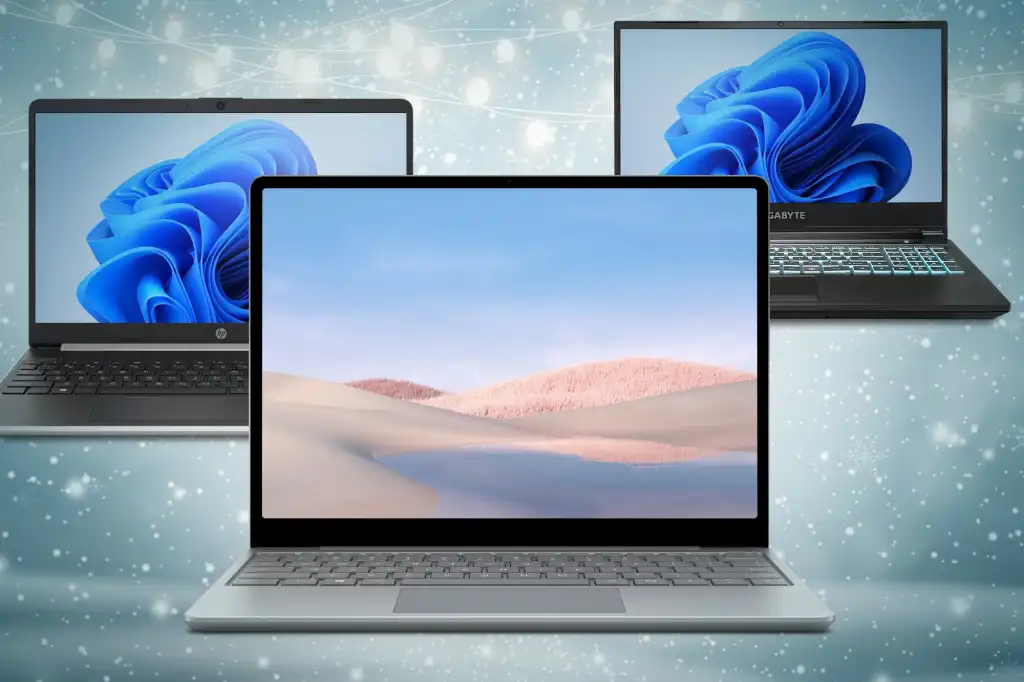
Table of Contents
Navigating the Current Discount Cycle
The laptop market is currently in a state of transition. With the rollout of AI-integrated processors and new efficiency standards from Qualcomm, Intel, and AMD, retailers are aggressively clearing out previous-generation inventory. For the consumer, this creates a strategic window to acquire high-performance hardware at a significant discount, provided they know which specs still hold long-term value.
Current pricing trends show a distinct split. Entry-level machines are hovering around the $380 mark, while mid-range productivity hubs are seeing deep cuts at big-box retailers like Microcenter and Best Buy. However, the real value is found in the “prosumer” category, where high-refresh screens and upgraded RAM are being bundled into deals that were previously reserved for holiday sales.
The Budget Entry Point: Dell’s Utility Play
For those seeking a baseline machine for administrative tasks or student life, the Dell 15 is currently seeing a price drop to $379.99. Powered by the AMD Ryzen 3 7320U, this machine isn’t designed for video editing or heavy multitasking, but it manages the basics—web browsing and document processing—with reasonable efficiency. With 8GB of RAM and a 512GB SSD, it avoids the critical storage bottlenecks that plague many ultra-budget machines, which often ship with sluggish eMMC storage.
Scaling Up: The Productivity Middle Ground
Moving into the mid-tier, the focus shifts toward thermal management and display quality. The HP OmniBook 3, currently listed at $799.99 via Microcenter, represents the modern “work-from-anywhere” standard. The inclusion of the AMD Ryzen AI 5 430 chip suggests a pivot toward local AI processing, which is becoming a requirement for newer software suites. Its 14-inch touchscreen (1920×1200) offers a 16:10 aspect ratio, which is objectively superior for productivity compared to the traditional 16:9 widescreen.
For users who need a powerhouse without the “gaming’ aesthetic, the Dell 16 Plus at $930 (Best Buy) is a notable alternative. By pairing an Intel Core Ultra 7 256V with Intel Arc graphics, Dell is targeting the creative class—people who need to run Adobe Lightroom or complex spreadsheets without the bulk of a dedicated GPU.
High-Performance Gaming: The GPU Price War
The gaming sector is currently the most volatile in terms of pricing. The HP Omen 16 is seeing a steep discount, landing at $1,549.99. The combination of a Ryzen 9 processor and RTX 5060 graphics makes it a formidable machine for current-gen titles. More importantly, the 144Hz refresh rate on the 16-inch display is the baseline requirement for competitive gaming; anything lower creates noticeable motion blur that hinders performance.
Technical Baseline: The RAM and OS Divide
When shopping these deals, the most critical technical decision is the memory ceiling. In 2024, 8GB of RAM is the absolute minimum for a functional Windows experience. While Chromebooks can thrive on 4GB because ChromeOS is essentially a lightweight browser wrapper, Windows 11’s background processes can easily consume 4-6GB of memory before a single app is opened. For anyone engaged in gaming or creative work, 16GB is the only logical choice to avoid system stutter.
The choice between a Chromebook and a Windows machine ultimately comes down to local vs. cloud dependency. Chromebooks offer superior security and battery life because they don’t run heavy local binaries. Windows machines, conversely, remain the only viable option for professional software and high-end gaming.
Timing the Market
While daily deals occur on platforms like Amazon and Newegg, the deepest discounts typically align with three windows: the back-to-school rush (June through August), Prime Day, and the Black Friday corridor. However, purchasing directly from manufacturers like Lenovo, HP, and Dell often provides more granular control over configurations, allowing users to upgrade RAM or storage at the point of purchase, which is often cheaper than aftermarket upgrades.