The Mandalorian and Grogu is a Safe, Episodic Bet That Fails to Ignite the Star Wars Cinematic Engine
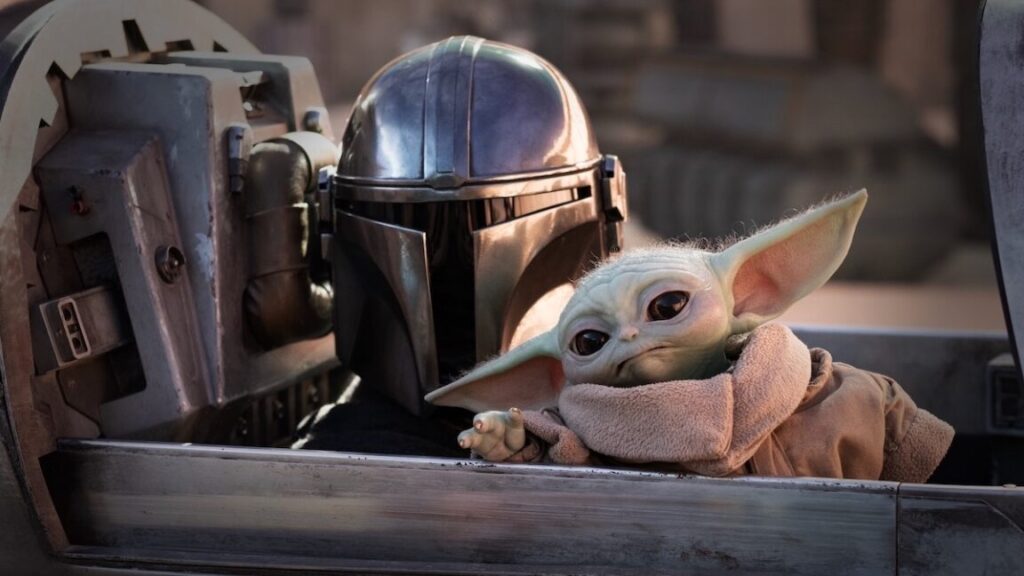
Table of Contents
A Cinematic Shift with Streaming DNA
Expectations were high for The Mandalorian and Grogu. As the first Star Wars theatrical release since 2019’s The Rise of Skywalker, the film carried the heavy burden of reviving a franchise that has spent the last few years oscillating between critical acclaim on Disney+ and a general sense of narrative exhaustion. Director Jon Favreau, the architect of the Mando-verse, has attempted to translate the intimate, episodic charm of the streaming series into a wide-screen experience. The result is a film that is, in a word, fine.
While it provides a polished and visually stimulating option for families over a holiday weekend, it lacks the narrative ambition required to launch Star Wars into a genuinely new era. For the casual viewer, it’s a pleasant ride. For the diehards, it feels like a missed opportunity to do something truly cinematic.
Plotting by Checklist
The story picks up with Din Djarin (Pedro Pascal) and his apprentice, Grogu, operating as freelance assets for the New Republic. They report to Colonel Ward (played by a vastly underutilized Sigourney Weaver), a former Rebel Alliance pilot who manages the cleanup of Imperial remnants. The conflict is straightforward: Ward wants intelligence; Mando provides the muscle; and the Imperial warlords usually end up dead before they can talk.
The central arc kicks in when Mando is tasked by the Hutt Twins to locate Rotta the Hutt (Jeremy Allen White), the son of the late Jabba. This pursuit leads the duo to the planet Shakari, where Rotta has reinvented himself as a gladiator to escape his family’s oppressive legacy. The incentive for Mando to take the job is purely practical: the promise of a refurbished ship reminiscent of his original Razor Crest.
The issue is that the film doesn’t actually feel like a movie. Favreau has admitted that the transition from a planned fourth season of the series to a feature film necessitated a story pivot, and it shows. The pacing is stubbornly episodic. The film unfolds as a sequence of side missions—a space flight here, a fight scene there, a moment of Grogu-induced cuteness—without a strong central tension to bind them together. It follows a repetitive rhythm that mirrors a television structure, making the theatrical runtime feel bloated rather than expansive.
Fan Service and Technical Execution
From a technical standpoint, the film is competent, though it rarely surprises. The dialogue remains notoriously wooden, a recurring ailment in the Star Wars mythos. While Pedro Pascal is a powerhouse performer, the limitations of the helmet continue to put the heavy lifting on the voice acting and the physical chemistry with the puppet.
The casting strategy leans heavily on fan service. The inclusion of Zeb Orrelios and the live-action debut of Embo the Kyuzo bounty hunter will delight those who have kept up with The Clone Wars and Rebels, but these cameos do little for the general audience. Even the casting of Sigourney Weaver feels like a missed chance, as her character serves more as a plot device for mission briefings than a fully realized person.
The Emotional Core
Where the film actually succeeds is in its quietest moments. The strongest sequence involves Mando collapsing after a poisonous bite from a Dragonsnake in the Nal Hutta swamps. In a reversal of their usual dynamic, Grogu is forced to step up, building a shelter and nursing his father figure back to health. These scenes provide the emotional gravity that the action sequences lack, proving that the bond between the two characters remains the only truly compelling element of this corner of the galaxy.
Ultimately, The Mandalorian and Grogu is a safe bet. It provides the visual splendor and the merchandise-friendly moments—such as Grogu partnering with the tiny Anzellans—that Disney requires. However, by playing it so safe, it fails to provide the spark necessary to make the Star Wars cinema experience feel essential again.