The MacBook Neo Blueprint: Could a Budget iPad Finally Kill the Android Tablet Market?
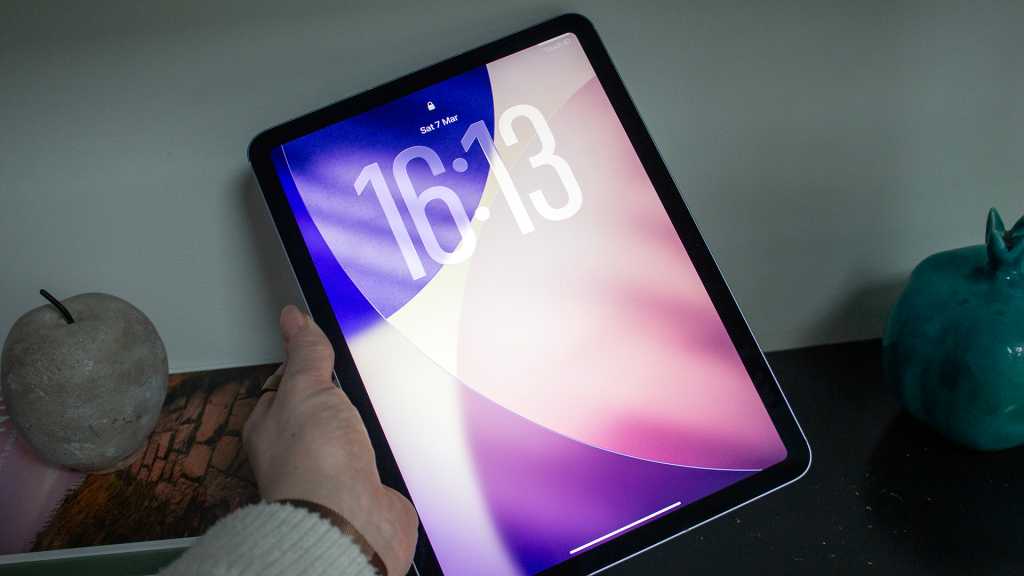
Table of Contents
The Play Store’s Late Arrival
Google is introducing a new badge in the Play Store specifically designed to highlight apps optimized for large screens and book-style foldables. On the surface, this is a quality-of-life improvement for users of the Pixel Tablet or Samsung Galaxy Tab series. However, the move highlights a systemic failure that has plagued Android tablets since their inception in 2010: the persistent gap between a “tablet app” and a “stretched phone app.”
For years, the Android ecosystem has struggled with fragmentation. While hardware has evolved—offering stunning OLED panels and powerful processors—the software experience often remains a secondary thought. The fact that Google felt the need to implement a visual tagging system in 2026 suggests that the developer experience is still not intuitive enough to ensure native tablet support across the board.
The Market Divide
Apple has largely avoided this identity crisis. While the company has faced criticism for the slow rollout of certain native apps—WhatsApp, for instance, only recently transitioned to a true native iPad experience—the overall ecosystem is fundamentally stable. When you download an app on an iPad, there is a reasonable expectation that it will respect the screen real estate.
This consistency is reflected in the data. According to StatCounter, Apple maintained a commanding 51.5% share of the global tablet market in early 2026. While that figure represents roughly half the market, the true story lies in the distribution of the remainder. Samsung, the primary challenger, holds roughly 25.8%, leaving the rest of the Android field to fight over a dwindling sliver of the landscape. Android tablets are not just losing to the iPad; they are struggling to maintain a cohesive identity against their own fragmented nature.
The ‘Neo’ Strategy
The current trajectory of Apple’s hardware lineup suggests a pivot toward accessibility that could be lethal for Android’s remaining stronghold. Under the leadership of CEO John Ternus, Apple launched the MacBook Neo—a $600 laptop designed to disrupt the low-end Windows market. By pairing custom silicon with a streamlined, affordable chassis, the MacBook Neo successfully targeted the student demographic that had previously settled for budget PC hardware.
If Apple applies this “Neo” philosophy to the iPad, the result would likely be a full-sized, brightly colored tablet retailing in the $200 range. Such a device would not just be a competitor; it would be a market vacuum. Given Apple’s vertical integration—controlling the chip, the OS, and the App Store—a budget-tier iPad would offer a level of performance and software polish that no budget Android tablet could match, even with a price advantage.
A Self-Inflicted Wound
Critics might argue that a budget iPad would further cement an Apple monopoly in the tablet space. But the reality is that Google and its hardware partners have had sixteen years to build a compelling, consistent alternative. Instead, the industry has been characterized by half-steps and inconsistent updates.
By the time Google implements a “tablet-ready” badge in the Play Store, Apple may have already moved the goalposts. The MacBook Neo proved that Apple is willing to move down-market to capture new users. Should an iPad Neo arrive, it won’t just be another product launch—it will be the final move in a long game of tablet dominance, leaving Android tablets to exist as niche devices in an increasingly consolidated market.


