Apple weaves Apple Intelligence into Accessibility core, adding AI subtitles and wheelchair eye-tracking
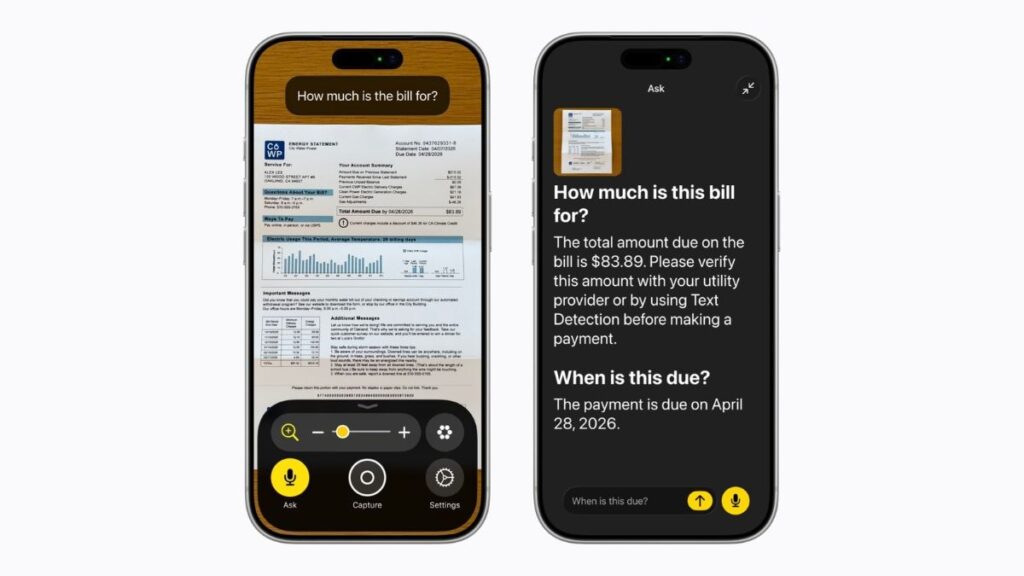
Table of Contents
Moving beyond the hype cycle to utility
While the broader tech industry has spent the last year obsessing over LLM-powered chatbots and image generators, Apple is pivoting its AI strategy toward high-utility, invisible integration. The company announced a significant expansion of accessibility features powered by Apple Intelligence, rolling out updates across iPhone, iPad, Mac, and the Vision Pro. This isn’t a flashy new app, but rather a systemic overhaul of how users with visual, motor, and cognitive impairments interact with the ecosystem.
The most immediate impact arrives in the form of AI-generated subtitles. For years, the lack of captions in user-uploaded or niche video content has remained a significant barrier for the Deaf and hard-of-hearing community. Apple is now deploying on-device intelligence to generate real-time, accurate subtitles for videos that lack them, utilizing the Neural Engine to ensure privacy and low latency without relying on cloud-based transcription.
Refining the tactile and auditory interface
Apple’s legacy accessibility tools—VoiceOver, Magnifier, and Voice Control—are receiving a substantial intelligence boost. For VoiceOver users, the integration of Apple Intelligence means the system can now provide more descriptive, context-aware narrations of images and screens, moving away from generic labels toward a more nuanced understanding of visual data. This shift reduces the cognitive load for blind users who previously had to navigate through a series of vague descriptions to understand a complex UI.
Similarly, the Accessibility Reader and Voice Control have been tuned to better understand natural language patterns. Rather than requiring rigid, specific commands, the AI-enhanced version is designed to interpret intent, making the interface feel less like a programmed machine and more like a responsive assistant. This is a critical bridge for users with motor impairments who rely on voice as their primary input method.
The Vision Pro and the ‘Eyes-Free’ Control Gap
Perhaps the most ambitious update is reserved for the Vision Pro. Apple has introduced eye-tracking-based wheelchair controls, a feature that allows users with severe mobility constraints to operate motorized wheelchairs through the headset’s advanced sensor array. By synthesizing gaze data with specific gesture triggers, the system translates ocular movement into navigational commands.
This move signals Apple’s intent to move the Vision Pro beyond a productivity or entertainment device and into the realm of assistive technology. By integrating this into visionOS, Apple is effectively treating the headset as a peripheral for physical mobility, a direction that puts them in direct competition with specialized medical tech startups and established assistive device manufacturers.
The WWDC 2026 trajectory
The timing of these updates is telling. Coming ahead of the Worldwide Developers Conference (WWDC) 2026, these rollouts serve as a proof-of-concept for the developer community. Apple is signaling that ‘Apple Intelligence’ is not just about Siri’s ability to summarize emails, but about deep-layer OS modifications that solve fundamental human problems.
By expanding this support across Apple TV and the wider ecosystem, the company is ensuring that the accessibility layer is consistent. A user who configures their AI-driven voice controls on an iPhone will find those preferences mirrored on their Mac and Vision Pro, creating a seamless transition that is often missing in third-party accessibility software.
For now, the company has framed these updates as a commitment to inclusive design, but the technical reality is a strategic play to demonstrate the tangible, real-world value of on-device AI over the cloud-heavy models pushed by competitors like Google and Microsoft.