The Legacy of Planned Obsolescence: How Samsung’s Early Tablet Strategy Pushed Power Users Toward iPad
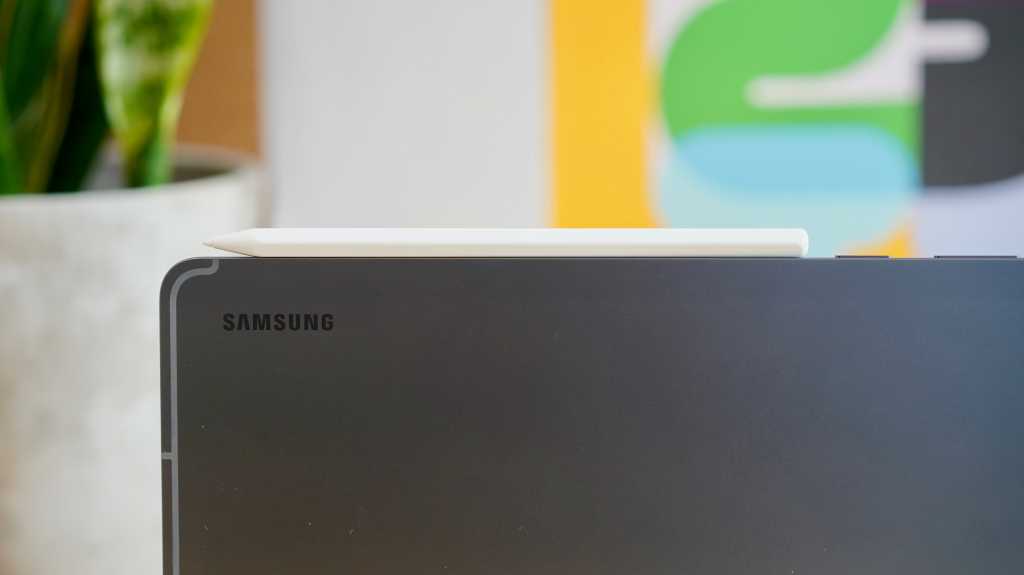
Table of Contents
The Android Alternative That Wasn’t
In the early 2010s, the tablet market was a binary choice: you either entered the walled garden of Apple’s ecosystem or you gambled on the fragmented promise of Android. For many early adopters, the Samsung Galaxy Tab 10.1 (GT-P7500) represented the pinnacle of the latter. Launched as a direct challenger to the iPad, the device promised high-performance computing in a slate format, boasting a 1 GHz dual-core processor and a 7000mAh battery that, on paper, made it a formidable productivity tool.
At the time, the Galaxy Tab was more than just a gadget; it was a statement of independence from Apple. For users who had already embraced the openness of Android via smartphones like the HTC Desire, the 10-inch Samsung slate felt like the logical evolution. It offered a lightweight alternative to the laptop—weighing just 570g—that could handle the burgeoning era of mobile web browsing and early app store hits like Fruit Ninja and Cut the Rope.
The Software Update Mirage
The honeymoon phase for early Galaxy Tab owners typically ended when the software conversation began. While the hardware was competitive, Samsung’s approach to the Android lifecycle was fundamentally different from Apple’s. The GT-P7500 shipped with Android 3.1, but as Google released newer versions of the OS, the actual delivery of these updates to Samsung hardware became a game of chance.
For many users, the frustration wasn’t just about missing features; it was about the perceived betrayal of a ‘premium’ purchase. Despite the high entry price—roughly $579 at launch—the device received only a handful of minor updates before being effectively abandoned by the manufacturer. This lack of software longevity created a stark contrast with the iPad, where a single OS update would simultaneously refresh millions of devices across multiple generations. This disparity laid the groundwork for what critics now call ‘planned obsolescence,’ where hardware is rendered obsolete not by physical wear, but by a cessation of software support.
Hardware Fragility and the ‘Dark Side’
The software disappointment was often compounded by sudden, catastrophic hardware failures. A recurring narrative among early Samsung tablet users involved the ‘black screen of death’—a scenario where a device, meticulously cared for in protective cases, would simply fail to boot after the warranty period expired. Without a clear path for affordable out-of-warranty repair, these expensive slabs of glass and aluminum became electronic waste in less than two years.
This combination of software abandonment and hardware instability triggered a mass migration. Users who had spent years avoiding the ‘dark side’—the restrictive but stable Apple ecosystem—found themselves switching to the iPad not because they preferred the software, but because they valued the predictability of the product’s lifespan. The iPad’s ability to remain functional and supported for five or six years turned it from a luxury item into a reliable utility.
The Lasting Impact on Brand Loyalty
Samsung has since revolutionized its tablet lineup with the S-series and integrated the S-Pen, significantly improving its update cadence and build quality. However, the scars of the 2011-2013 era remain. The early Galaxy Tab experience taught a generation of power users a critical lesson about the difference between ‘specs’ and ‘support.’
While modern Android tablets are undoubtedly powerful, the legacy of the GT-P7500 serves as a reminder that the true value of a mobile device isn’t found in the processor speed at launch, but in the manufacturer’s commitment to the device three years later. For those who burned their fingers on the early Galaxy iterations, the switch to iPad wasn’t a surrender—it was a search for reliability.