The Last Call for the Next Big Thing: TechCrunch Disrupt’s Startup Battlefield 200 Deadline Looms
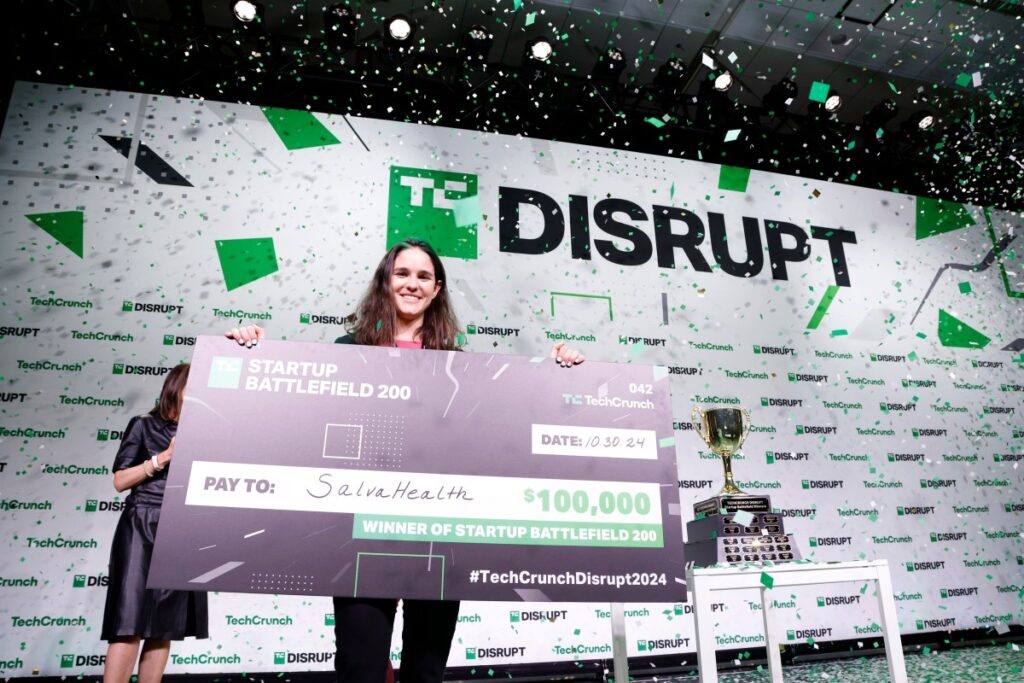
Table of Contents
The High-Stakes Filter of the Disrupt Stage
In the venture capital world, visibility is the only currency that matters as much as equity. For early-stage founders, the difference between a quiet seed round and a viral growth trajectory often comes down to a single high-profile appearance. That is the premise behind the Startup Battlefield 200, the competitive gauntlet that serves as the primary feeder for the Disrupt Stage at TechCrunch Disrupt.
The window for the current cohort is slamming shut. Applications officially close on June 8 at 11:59 p.m. PT. For founders currently iterating on an MVP or scaling a seed-stage operation, this represents the final opportunity to secure a spot at San Francisco’s Moscone West this October.
While the headline draw is often the $100,000 equity-free prize, the financial windfall is secondary to the strategic positioning. The Battlefield alumni network is a testament to the platform’s role as a kingmaker in the ecosystem; companies like Dropbox, Discord, and Trello didn’t just find funding here—they found the narrative momentum required to dominate their respective categories. To date, alumni have collectively raised over $32 billion and seen more than 250 exits, with acquisitions by the likes of Google, Microsoft, and Amazon.
Who Actually Qualifies?
TechCrunch has shifted its focus toward a specific profile of founder: those with a working minimum viable product (MVP) and a clear vision for industry disruption. The criteria are intentionally broad to capture innovation across the spectrum, though there are specific nuances to who should apply.
Bootstrapped and pre-seed startups are the primary targets, as the competition is designed to elevate those who are still largely under the radar. However, the editorial team has noted that select Series A startups may still qualify, provided they operate in capital-intensive sectors—such as biotech, climate tech, or advanced robotics—where the timeline for scaling requires more significant upfront investment than a typical software app.
Navigating a Tightened Funding Climate
The timing of this year’s competition arrives amidst a precarious fundraising environment. The era of “growth at all costs” has been replaced by a rigorous demand for sustainable unit economics and genuine technical moats. For a founder, pitching in front of a concentrated group of top-tier investors and global media is no longer just about the hype—it is about validation.
Standing out in a crowded inbox is the primary challenge for most founders today. By bypassing the cold-email gauntlet and stepping onto the Disrupt stage, startups gain a rare level of synchronized exposure. The goal is to move from being an “unknown” to becoming “impossible to ignore” in a single afternoon of pitching.
As the June 8 deadline approaches, the volume of applications is expected to spike. Every submission undergoes a review by the TechCrunch team, who are looking for bold visions that challenge existing industry paradigms rather than incremental improvements on existing tools. For those who have the product and the pitch ready, the clock is now the only remaining obstacle.