TechCrunch Extends Startup Battlefield 2026 Deadline: What Early-Stage Founders Need to Know
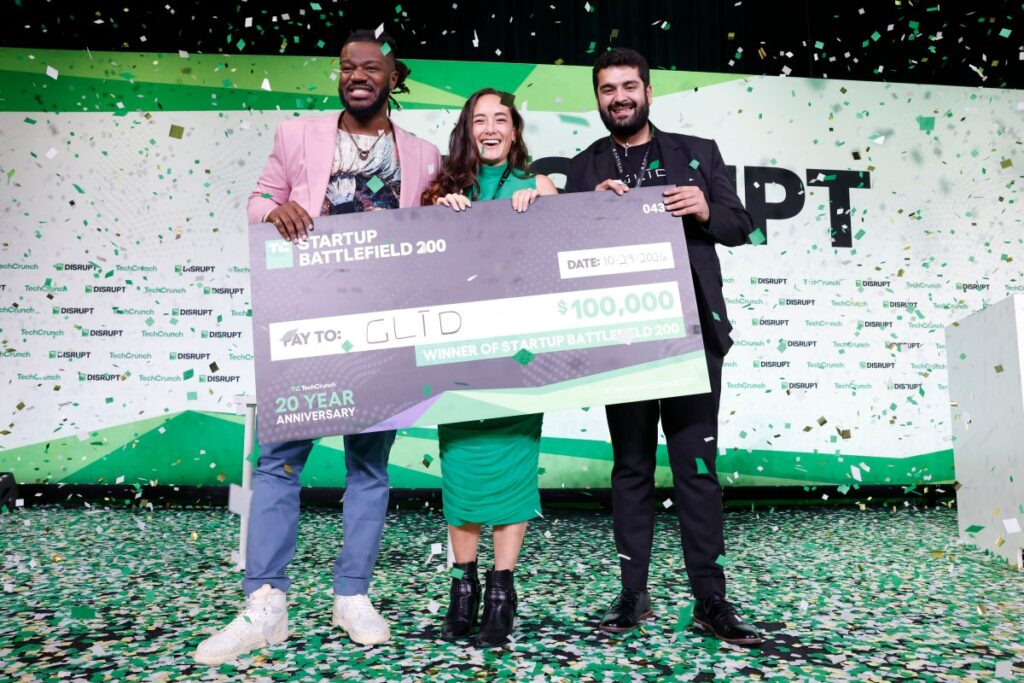
Table of Contents
The race for the ‘Battlefield 200’ just got a second wind
TechCrunch has officially extended the application deadline for Startup Battlefield 2026 to June 8, providing a final window for early-stage founders to vie for a spot in one of the industry’s most storied launchpads. The program, which culminates at TechCrunch Disrupt in San Francisco from October 13-15, has a track record of identifying tectonic shifts in technology long before they hit the mainstream, with alumni including giants like Cloudflare and Discord.
For many founders, the hesitation to apply stems from a perceived lack of ‘polish.’ However, internal criteria for the Battlefield 200 suggest that the judges are less interested in a perfectly manicured pitch deck and more focused on the raw potential for industry disruption. The core question driving the selection process isn’t whether a company is ready for the public market, but whether the underlying idea genuinely changes the status quo rather than offering a mere incremental improvement.
Prioritizing raw utility over aesthetic polish
One of the most common pitfalls in these applications is the reliance on high-production marketing materials. TechCrunch is explicitly signaling a move away from animated explainer videos and curated simulations. Instead, the editorial and scouting team is prioritizing a working Minimum Viable Product (MVP) shown in real-time. Whether it is a rough screen recording from a mobile device or a raw demo, the requirement is clear: the product must actually function.
This openness extends to the company’s financial stage. While the program is heavily geared toward bootstrapped, pre-seed, and seed-stage companies, Series A startups are still considered on a case-by-case basis, particularly those operating in capital-intensive sectors where funding cycles differ from the standard Silicon Valley model. Notably, being pre-launch is not a disqualifier, provided the MVP is operational.
The ‘Anti-Generic’ Approach to Market Analysis
A critical friction point in the application process is the competitive landscape section. A recurring red flag for the selection committee is the claim that a startup has “no competitors.” In the eyes of the judges, this suggests a lack of market awareness rather than a total monopoly.
Successful applicants are expected to name their competitors and honestly acknowledge their presence. The value lies in the specific articulation of why their approach wins. This level of transparency is viewed as a proxy for a founder’s strategic depth and understanding of the industry’s pain points.
Narrative and Conviction: The Human Element
Beyond the technical specs, the founding story remains a pillar of the evaluation. The selection team is looking for founders who can articulate a deep-seated conviction—explaining not just the Total Addressable Market (TAM), but why they are uniquely positioned to solve the problem at this specific moment in time.
This search for authenticity is also reflected in the program’s commitment to geographic and industry diversity. With a goal of building a truly global cohort, there is a concerted effort to scout founders from underrepresented regions and non-traditional tech verticals. The aim is to identify companies whose core technology hasn’t yet had its “moment” in the press, making the Disrupt stage the ideal catalyst for their first major public reveal.
Founders who have been rejected in previous cycles are encouraged to apply again, as the evolution of a product often aligns more closely with the Battlefield’s criteria over time. For those still refining their approach, TechCrunch suggests leveraging the Build Mode podcast, which features insights from past winners and investors from firms like General Catalyst.
Applications remain open until June 8, 2026, with selected participants being notified approximately two months prior to the event in San Francisco.