The Kindle Dilemma: Is the Paperwhite Upgrade Actually Justifiable in 2024?
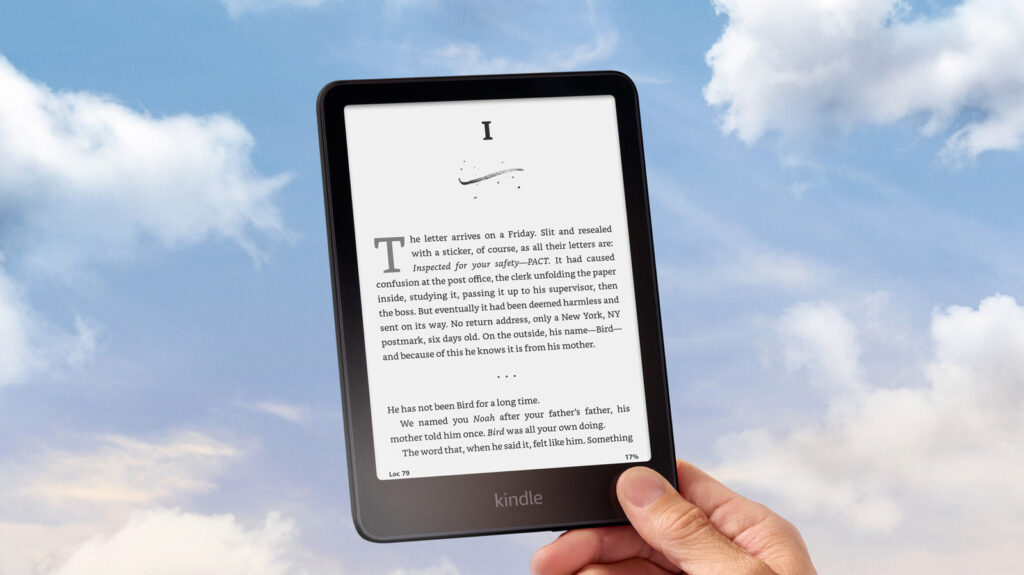
Table of Contents
The invisible gap in the E-ink ecosystem
For the casual reader, the distinction between Amazon’s base Kindle and the Paperwhite often feels like a distinction without a difference. Both devices serve the same fundamental purpose: transporting a digital library into a lightweight, distraction-free slab of E-ink. However, as Amazon continues to prune support for legacy devices, the question of whether to stick with the entry-level model or shell out for the Paperwhite has moved beyond simple aesthetics and into the realm of actual hardware utility.
On the surface, the base Kindle remains a formidable tool for those who prioritize portability. At 5.56 ounces, it is the closest the company has come to mimicking the physical footprint of a mass-market paperback. But for the heavy user, that weight saving comes at a cost to the reading experience—specifically in the physics of the screen.
The 7-inch pivot and visual ergonomics
The most immediate difference is the shift from a 6-inch display on the base model to a 7-inch screen on the Paperwhite. While a one-inch difference sounds negligible, in the context of digital typesetting, it is significant. The extra real estate reduces the frequency of page turns, which subtly alters the flow of long-form reading. More importantly, the Paperwhite integrates an adjustable warm light—a feature notably absent from the base model. This isn’t just a luxury; by shifting the color temperature away from the harsh blue spectrum, it mitigates the eye strain associated with late-night reading, making it a functional necessity for those who read in bed.
Performance and the ‘snappiness’ factor
Amazon claims the Paperwhite’s processor is roughly 20% faster than its smaller sibling. In a vacuum, 20% doesn’t sound like a generational leap, but in the world of E-ink—where screen refresh rates are notoriously sluggish—every bit of compute helps. This speed manifests in smoother menu navigation and a more responsive page-turn transition. When navigating deep into a 600-page PDF or a complex metadata-heavy library, that overhead prevents the device from feeling like it’s struggling to keep up with the user’s thumb.
Durability and the environment of use
Perhaps the most critical dividing line is the Paperwhite’s IPX8 waterproof rating. While the base Kindle is designed for the coffee table or the commute, the Paperwhite is built for the poolside or the bath. This architectural difference makes the Paperwhite a more versatile tool for those whose reading habits aren’t confined to a dry, indoor environment. Furthermore, the Paperwhite offers a broader palette of aesthetic choices, moving beyond the standard Black and Matcha of the base model to include Raspberry and Jade, signaling a shift toward personalizing the device as an accessory.
Ultimately, the choice depends on where the reading happens. If your priority is a device that disappears into a jacket pocket and does one thing reliably, the base Kindle is the logical choice. But for those who treat reading as a primary hobby—spending hours a day with the screen—the Paperwhite’s combination of a larger display, warm light, and ruggedization justifies the price premium. It isn’t just a ‘better’ Kindle; it’s a device optimized for a different kind of relationship with the page.


