The Invisible Expiration Date: Why Your Surge Protector Is a Ticking Time Bomb
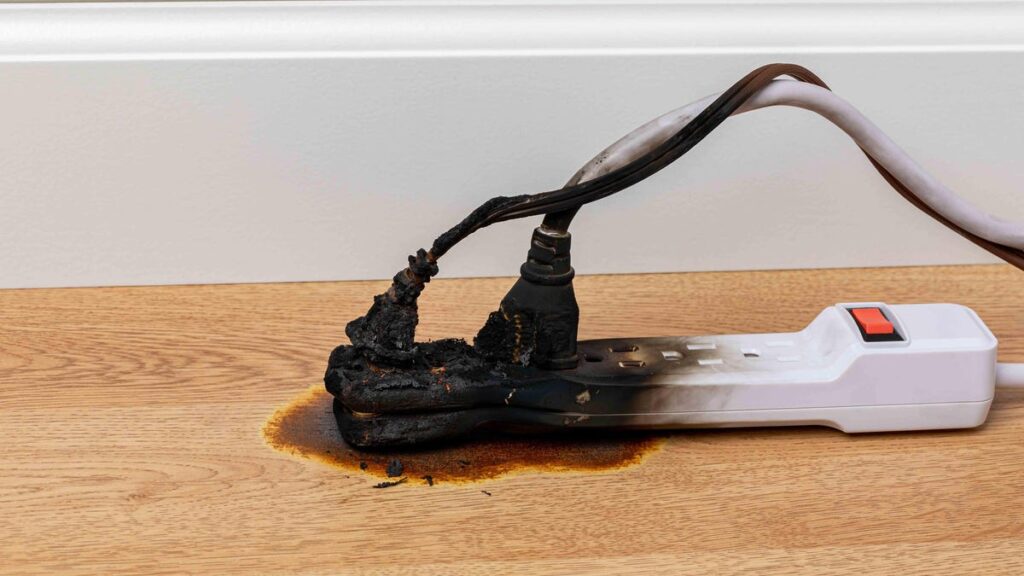
Table of Contents
The Danger of the ‘Set and Forget’ Mentality
Tucked behind desks and beneath entertainment centers, surge protectors are among the most overlooked components of modern home infrastructure. For most users, these devices are viewed as permanent utilities—once plugged in, they are forgotten until the day the power goes out. However, unlike a standard power strip, a surge protector is a sacrificial device. It is designed to absorb electrical trauma to save your hardware, and in doing so, it slowly consumes itself.
The critical difference lies in the hardware. A standard power strip merely extends the reach of a wall outlet. A true surge protector contains Metal Oxide Varistors (MOVs), components that act as pressure-release valves for electricity. When voltage spikes—caused by lightning, grid switching, or heavy machinery on the same circuit—the MOVs divert the excess current away from your sensitive electronics and into the ground wire. The problem is that MOVs have a finite capacity. Every time they divert a surge, they degrade. Eventually, they wear out completely, leaving your gear exposed or, in extreme cases, creating a point of failure that can trigger a house fire.
Calculating the Degradation Curve
There is no universal ‘best by’ date on a surge protector, but electrical engineers generally suggest a replacement cycle of two to five years. This window is largely dictated by the device’s joule rating—a measurement of how much total energy the protector can absorb before it fails. A high-joule protector can withstand more frequent, smaller spikes, while a cheap, low-joule model might be rendered useless after a single significant electrical event.
Environmental factors play a massive role in this timeline. If you live in an area prone to severe thunderstorms or frequent brownouts, your hardware is working overtime. In regions with aging electrical grids, “dirty power”—characterized by minor, constant fluctuations—can erode MOVs faster than a single massive strike. Furthermore, nearby construction or industrial activity can introduce transient voltages into residential lines, accelerating the wear and tear on your protection.
Identifying a Failed Protector
The most frustrating aspect of surge protector failure is that it is often invisible. A device can continue to provide power to your computer and monitors while offering zero actual protection against a surge. To combat this, many mid-to-high-end models include LED indicators labeled “Protected” or “Grounded.” When these lights go out, the MOVs are spent, and the device has reverted to being a glorified extension cord.
Some units feature integrated test buttons similar to GFCI outlets. If the test button fails to trip the circuit or provide a signal, the internal logic of the protector has likely compromised. However, the absence of a light isn’t the only warning sign. If you notice a plastic-burning smell or a slight discoloration on the casing, the device is likely overheating due to internal degradation and should be unplugged immediately.
Moving Beyond the Power Strip
For users with high-end workstations or smart home hubs, relying solely on plug-in strips is often an insufficient strategy. While these devices protect individual outlets, they cannot stop a massive surge from entering the home via the main electrical panel. This is where whole-home surge protection comes into play.
Installed directly at the breaker box by a licensed electrician, a whole-house protector acts as the first line of defense, scrubbing the electricity before it ever reaches your internal wiring. This doesn’t eliminate the need for point-of-use surge protectors—which act as a secondary, more refined layer of defense—but it drastically extends the lifespan of those smaller devices by absorbing the brunt of the grid’s volatility.
When shopping for replacements, avoid unbranded, ultra-cheap imports. Reputable brands like APC, Belkin, and Tripp Lite provide transparent joule ratings and certified safety standards. As recalls happen—such as previous alerts involving Schneider Electric products—checking the manufacturer’s site for safety bulletins is a necessary part of home maintenance.


