The ‘Good’ Killer: DNA Sequencing Reveals Fungus Fighting Invasive Moss in UK Habitats
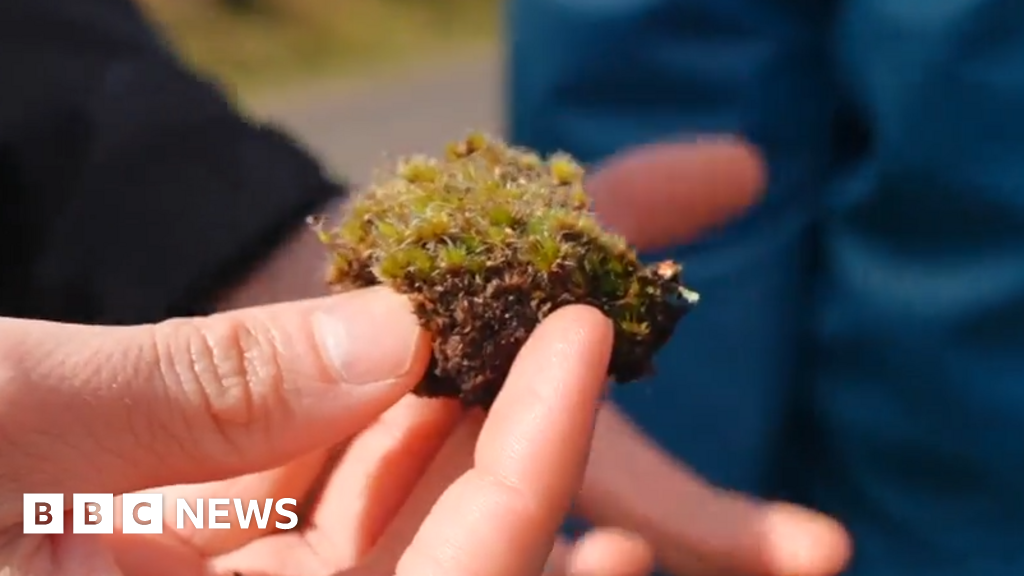
Table of Contents
A Rare Biological Counter-Attack
In the damp, coastal woodlands and peatlands of Britain, a silent war for territorial dominance is taking place. For decades, the heath-star moss—an aggressive non-native species believed to have arrived from the Southern Hemisphere in the 1940s—has been systematically displacing native flora. By the 1990s, this invasive carpet had exploded across hillsides and sand dunes, suffocating the local biodiversity that forms the backbone of the UK’s carbon-storing peatlands.
However, new research led by Dr. George Greiff of the Amgueddfa Cymru museum in Cardiff suggests that the environment may be fighting back. Greiff has identified a previously unknown species of fungus that specifically targets and destroys the heath-star moss, creating what he describes as “fairy rings of death” across the landscape.
From Cliffside Observations to DNA Sequencing
The discovery began not in a lab, but during a walk on the Isle of Wight four years ago. Greiff noticed patches of decaying moss on a cliffside, a phenomenon that didn’t align with typical environmental stressors. After observing similar die-backs in various locations, including the Bannau Brycheiniog national park in south Wales, Greiff collaborated with researchers in the UK and France to identify the pathogen.
The identification process required rigorous DNA sequencing to distinguish the organism from other known fungi. Under microscopic analysis, the fungus appears as candy-floss-like structures clinging to the moss stems, eventually penetrating the cellular walls of the plant. Interestingly, the genetic analysis reveals that this “moss die-back” fungus is a close relative of the ash die-back fungus, which has devastated up to 80 million ash trees across Britain.
The Precision of the Pathogen
While the kinship to the destructive ash die-back fungus might raise alarms about broader ecological risks, initial findings suggest a highly specific host range. Greiff’s analysis indicates that the fungus primarily affects the heath-star moss, with only limited impact on one other moss species. This level of specificity is what makes the discovery significant; it functions as a natural biological control agent.
Unlike human-led interventions—such as the resource-heavy attempts to manage grey squirrel populations via contraceptives—this fungus operates autonomously and at scale. In the gaps left by the decaying invasive moss, researchers are already seeing the return of baby heather plants and native mosses, signaling a potential restoration of original habitat structures.
The Historical Timeline of Invasion
To understand the trajectory of this ecological shift, Dr. Nathan Smith, Head of Plant and Earth Science at Amgueddfa Cymru, is utilizing the museum’s extensive archives. By examining dried moss samples dating back to the 1880s, the team aims to pinpoint exactly when the heath-star moss arrived and when the fungus evolved or arrived to counter it.
The stakes are high. With the UK’s nature among the most depleted globally—and one in six species currently facing extinction—the discovery of a native-adapted fungus that can curb habitat destruction provides a rare optimistic data point for conservationists.
The current research suggests that the fungus may have evolved from a native species that adapted to exploit the newly available biomass of the invasive moss. If confirmed, this represents a significant example of rapid evolutionary adaptation in response to anthropogenic environmental changes.