The Forgotten Module: How IBM’s 1948 Electronic Calculating Punch Paved the Way for Modern Hardware
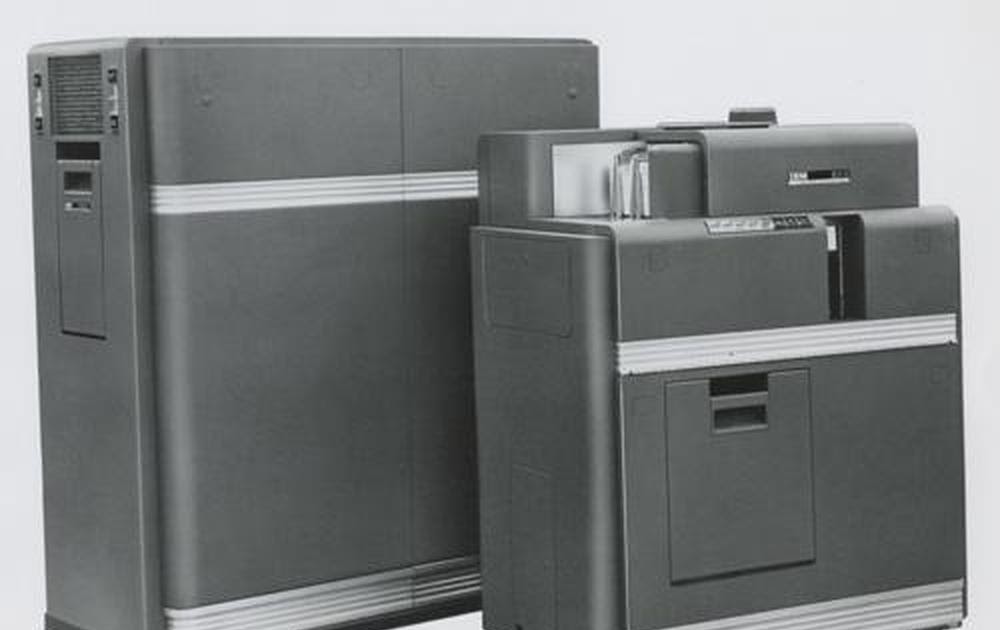
Table of Contents
Bridging the Gap Between Relays and Computers
In 1948, the computing landscape was starkly divided. On one side were the electromechanical behemoths—machines like the Harvard Mark I and IBM’s SSEC—which relied on clicking relays and counting wheels to process data. On the other were the nascent electronic giants, such as ENIAC and Colossus, which leveraged vacuum tubes to achieve speeds previously thought impossible. However, these early electronic computers were room-sized experiments, far too expensive and unstable for the average corporate ledger.
Into this void stepped the IBM 604 Electronic Calculating Punch. While often overshadowed by the birth of the stored-program computer (like the Manchester Baby), the 604 was a pragmatic masterpiece of engineering. It wasn’t a general-purpose computer in the modern sense; it was a programmable calculator. Yet, its impact was profound. By shrinking the footprint of electronic calculation to roughly the size of two refrigerators and offering it for a monthly rental fee of $550, IBM transitioned vacuum tube technology from the research lab into the business office.
The 604 could execute 60 operations per second, including complex multiplication and division—a staggering leap over the clunky mechanical sorters of the era. This efficiency drove the production of over 5,600 units and provided IBM with the critical electronics experience necessary to dominate the vacuum-tube market throughout the 1950s.
The Innovation of the Pluggable Module
Perhaps the most enduring legacy of the IBM 604 wasn’t its calculating speed, but its architecture. Before the 604, vacuum tube equipment was typically built on a massive metal chassis, with tubes on top and a chaotic web of resistors and capacitors soldered underneath. Repairing a single failing component often meant a grueling process of dismantling the machine.
IBM solved this with the introduction of the pluggable module. By combining a vacuum tube and its associated circuitry into a single, removable unit with a standardized nine-pin connector, IBM effectively invented the precursor to the modern expansion card or RAM stick. These modules allowed for three-dimensional component packing, drastically increasing density and allowing the 604 to be assembled on a production line rather than being hand-wired by specialists.
For the engineers of the time, this was a revolution in maintenance. A technician could quickly swap a suspect module for a known good one to isolate a fault, reducing downtime for businesses that relied on the 604 for payroll and inventory.
The Physics of the Thyratron
At the heart of the 604’s operation were approximately 1,250 vacuum tubes. While most were triodes—which act similarly to modern transistors by using a grid to control electron flow between a cathode and a plate—the 604 also employed specialized components like the thyratron tube.
A thyratron, such as the 2D21 miniature 7-pin tube, differs from a standard vacuum tube by the inclusion of a small amount of xenon gas. This gas allows the tube to handle significantly higher currents. The operational logic of a thyratron is distinct: once a control signal ionizes the gas and current begins to flow, the tube stays ‘on’ regardless of the grid’s status. It creates a plasma state that maintains conductivity until the primary power source is physically cut, at which point the gas deionizes in microseconds.
This binary, ‘latching’ behavior made the thyratron an ideal high-current switch for the 604’s internal logic, providing a level of stability and power handling that standard triodes could not achieve. It is this fundamental interplay of gas physics and electron flow that allowed the IBM 604 to bridge the gap between the mechanical age and the digital revolution.