The Fatal Cost of Viral Adventure: How ‘Spider-Man of Yemen’ Died at Hardah Dam
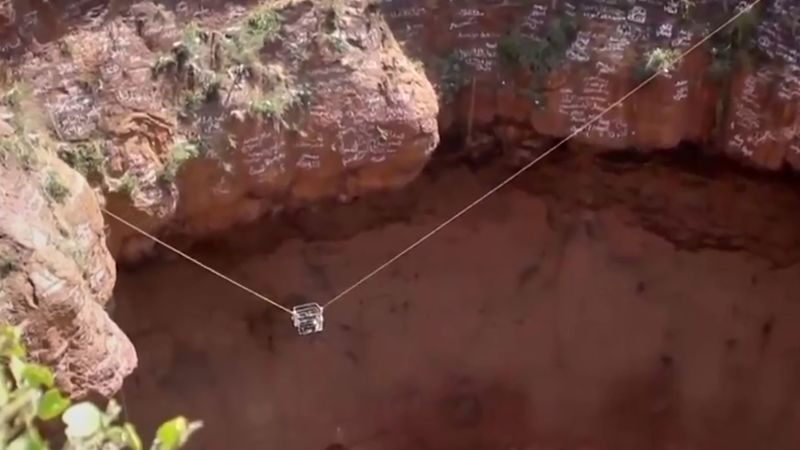
Table of Contents
A Fatal Descent in Dhale Province
The intersection of social media visibility and extreme physical risk reached a tragic conclusion on Friday, June 12, when Al-Qaqa Ibn Antar, widely known across digital platforms as the Spider-Man of Yemen, fell to his death. Antar, 30, was attempting a high-stakes ascent of the Hardah Dam volcanic crater in the southern province of Dhale when he lost his grip, falling approximately 120 meters (393 feet) into the depths of the crater.
- The Incident: Al-Qaqa Ibn Antar died after a 120-meter fall during an unassisted climb.
- The Location: The accident occurred at the Hardah Dam, a volcanic crater featuring a sulfurous lake.
- The Cause: Lack of safety equipment (free soloing) led to a fatal loss of grip.
- The Recovery: A complex four-hour operation involving diving and water specialists was required to retrieve the body from 30 meters underwater.
The incident was captured in a harrowing 10-second video later shared by the Yemeni Civil Defense Authority. The footage shows Antar scaling a rocky cliff—marked with white Arabic script—without a harness, rope, or any protective gear. In the final seconds, Antar is seen clinging to the rock with only his right hand while his left arm flails for balance. A momentary slip of the right hand resulted in a free-fall into the crater’s basin.
The Geography of Danger: Understanding the Hardah Dam
To understand why this climb was particularly perilous, one must look at the geological composition of the Hardah Dam, also known as the Haradhat Damt. This is not a standard cliffside; it is a volcanic crater. The walls are characterized by steep, often unstable volcanic rock that can be prone to crumbling under pressure.
At the base of the 120-meter drop lies a sulfurous lake. This environmental factor added a layer of complexity to the rescue operation. Sulfur-rich waters can be corrosive and toxic, requiring specialized equipment and training for the recovery teams. The Yemeni Civil Defense Authority deployed a multidisciplinary team, including diving and water specialists, to locate Antar’s body. Divers eventually found him at a depth of 30 meters (100 feet) below the water’s surface.
The Technical Risks of Free Soloing
In the climbing community, what Antar practiced is known as free soloing. Unlike traditional climbing, where ropes and harnesses protect a climber from a fall, free soloing removes all safety nets. The margin for error is zero. A single loose pebble, a sudden gust of wind, or a momentary muscle cramp can be fatal.
Experts in alpine and rock climbing note that volcanic rock, such as that found in Dhale, often lacks the consistent structural integrity of granite. Volcanic tuff and basalt can vary wildly in density, making it difficult for a climber to trust a hold. Antar’s reliance on raw grip strength over engineered safety systems placed him in a position where a mechanical failure of the rock—or a failure of his own grip—resulted in immediate catastrophe.
The Digital Incentive: The ‘Viral’ Pressure of Extreme Sports
Al-Qaqa Ibn Antar was not just a climber; he was a content creator. His fame was built on the algorithmic rewards of platforms like TikTok and Instagram, where high-risk, visually stunning videos generate massive engagement. His feed was a gallery of death-defying acts, including hanging from cliffs by his bare hands with his legs dangling over abysses.
This phenomenon creates a dangerous feedback loop. As a creator gains a following for “extreme” feats, the pressure to escalate the risk increases to maintain viewership. The “Spider-Man of Yemen” moniker was a brand that required constant validation through increasingly dangerous ascents. When the goal shifts from the sport of climbing to the production of viral content, safety protocols are often viewed as obstacles to the “shot.”
Comparison of Climbing Disciplines
| Method | Equipment Used | Risk Level | Primary Goal |
|---|---|---|---|
| Traditional Climbing | Ropes, Harnesses, Cams, Nuts | Moderate/Low | Summiting/Technical Mastery |
| Sport Climbing | Pre-placed Bolts, Quickdraws | Low/Moderate | Physical Strength/Route Clearing |
| Free Soloing | None (Bare hands/shoes) | Extreme | Purely Psychological/Physical Challenge |
Analysis of the Rescue Operation
The recovery of Antar’s body took four hours, a duration described by the Civil Defense Authority as a result of the “complex” nature of the site. The steepness of the crater walls meant that rescue teams could not simply rappel down; they had to navigate treacherous terrain to reach the water’s edge before deploying divers.
The depth of the water—30 meters—combined with the sulfurous nature of the lake, necessitated the use of specialized diving gear. Sulfur compounds can interfere with visibility and the integrity of some diving equipment, making the search a slow and methodical process. The coordination between land-based rescue teams and water specialists highlights the logistical nightmare that occurs when a high-altitude fall ends in a deep-water basin.
— Official Statement, Yemeni Civil Defense Authority
What This Means for the Adventure Community
The death of the “Spider-Man of Yemen” serves as a grim case study in the dangers of the ‘Clout Economy’. When extreme sports move from private mastery to public performance, the psychological pressure to ignore safety guidelines increases. This incident underscores several critical points:
- The Illusion of Mastery: Viral videos often edit out the struggle and fear, making a dangerous climb look effortless. This encourages inexperienced amateurs to attempt similar feats without understanding the technical requirements.
- Environmental Unpredictability: Volcanic craters are active geological sites. The presence of sulfur and unstable rock makes them inherently more dangerous than established climbing parks.
- The Cost of Recovery: When a soloist falls, the risk doesn’t end with them. Rescue teams must put their own lives at risk to retrieve a body from a hazardous environment.
A Note on a Balanced Perspective
While the majority of the climbing community condemns free soloing in such volatile environments, some argue that individuals should have the autonomy to take risks. However, from a public safety and journalistic perspective, the result in this case is an undeniable failure of risk management. The difference between a “legendary” climb and a fatal accident is often just a few millimeters of rock slippage.
FAQ: Understanding the Risks of Free Soloing and Volcanic Climbs
What is free soloing?
Free soloing is a form of rock climbing where the climber uses no ropes, harnesses, or other protective equipment to stop a fall. The climber relies entirely on their physical strength and mental focus.
Why is climbing a volcanic crater more dangerous than a normal mountain?
Volcanic craters often consist of fragmented rock and ash, which are less stable than solid granite or limestone. Additionally, the presence of volcanic gases (like sulfur) and acidic lakes at the base creates secondary hazards that are not present in standard climbs.
How did the rescue teams retrieve Al-Qaqa Ibn Antar?
Because he fell into a lake at the bottom of the crater, the rescue required a combined effort. Land teams navigated the steep crater walls, while diving specialists descended 30 meters into the sulfurous water to recover the body.
Did the ‘Spider-Man of Yemen’ have any professional training?
While Antar was experienced in scaling rugged terrain and had gained a following for his skill, there is no public record of him using professional safety certifications or following established mountaineering protocols during his viral stunts.
What safety gear should extreme climbers actually use?
At a minimum, technical climbers use a climbing harness, a dynamic rope, a belay device, and a helmet to protect against falling debris or head impact during a fall.
The legacy of Al-Qaqa Ibn Antar will likely be defined by the haunting final seconds of his ascent—a reminder that in the world of extreme technology and social media performance, the cost of a single mistake is absolute. As the Yemeni Civil Defense Authority continues to warn the public, the pursuit of a viral moment should never outweigh the fundamental laws of gravity and safety.