The Dying Art of the Analog Jack: Why 3.5mm Still Dominates and Where 2.5mm Still Hides
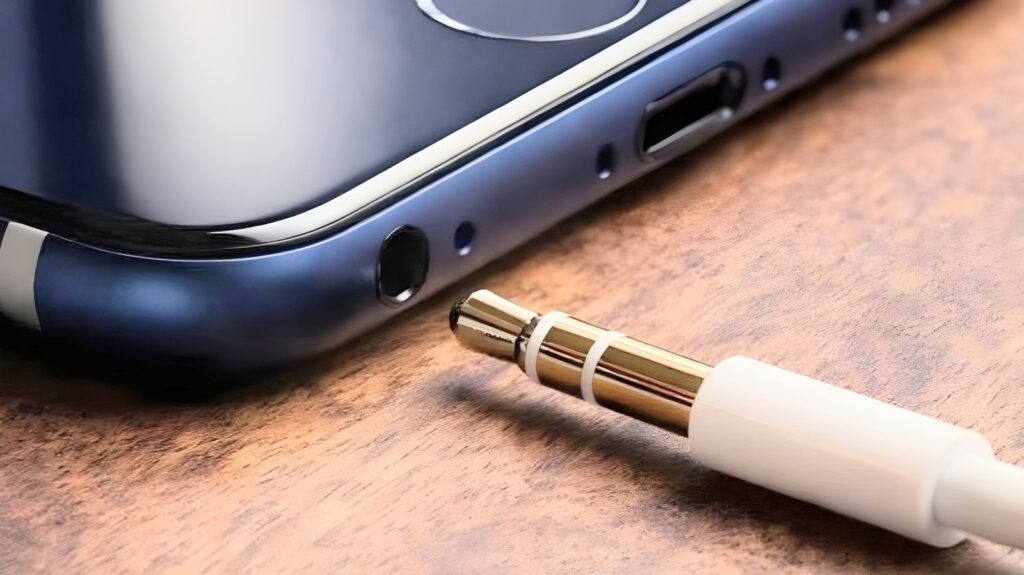
Table of Contents
The Last Stand of the Analog Port
For decades, the circular void on the side of a device was the universal symbol of audio connectivity. While the industry has spent the last several years aggressively pivoting toward Bluetooth and USB-C digital outputs, the analog headphone jack remains a critical, if fragmented, standard. For most consumers, the ‘headphone jack’ is a monolith, but beneath the surface, a subtle war of millimeters determines whether your gear will actually plug in.
The most ubiquitous of these is the 3.5mm (1/8 inch) jack. It has served as the gold standard for everything from the original iPod to the latest mid-range Android handsets. However, there is a smaller, more elusive sibling: the 2.5mm jack. While they look nearly identical to the naked eye, they are fundamentally non-interchangeable, and attempting to force one into the other is a quick way to permanently damage a device’s internal contacts.
The Millimeter Gap: Technical Specifications
The distinction between these two standards is primarily one of physical scale and intended application. A 3.5mm jack measures exactly 1/8 of an inch in diameter, with a plug length typically ranging between 14mm and 17mm. This size was engineered to balance durability with portability, providing enough surface area for a stable electrical connection without taking up too much real estate on a circuit board.
In contrast, the 2.5mm jack is significantly slimmer, measuring 3/32 of an inch with a shorter plug length of approximately 11mm. This reduction in size isn’t about audio quality—both can support stereo output—but about space. The 2.5mm standard was designed for devices where every fraction of a millimeter counts, or where the audio requirement is secondary to the device’s primary function.
Where the 2.5mm Jack Still Lives
You won’t find a 2.5mm port on a MacBook or a Samsung Galaxy, but they persist in niche hardware. They are common in two-way radios (walkie-talkies), legacy cordless phones, and some professional video camera setups for external microphones. In these contexts, the smaller footprint allows manufacturers to pack more buttons or sensors onto the chassis. If you’ve ever bought a budget-friendly aviation headset or a specific brand of older GPS units, you’ve likely encountered this smaller standard.
The Hierarchy of Audio Connectors
While 3.5mm and 2.5mm are the common consumer variants, they exist within a larger ecosystem of TRS (Tip-Ring-Sleeve) connectors. For those moving into pro-audio, the 6.35mm (1/4 inch) jack is the undisputed king. Found on electric guitars, studio monitors, and high-end DACs (Digital-to-Analog Converters), the 6.35mm plug is designed for ruggedness and high-fidelity signals that can withstand the rigors of a stage or studio environment.
Recently, the audiophile community has also pushed the 4.4mm balanced jack into the spotlight. Unlike the standard 3.5mm, which shares a ground wire, balanced connections use separate paths for the left and right channels to reduce noise and increase power. This is why you’ll see high-end portable amplifiers from brands like Sony or FiiO opting for 4.4mm over the traditional 3.5mm.
The Transition to Digital
The decline of the 3.5mm jack in smartphones wasn’t driven by technical failure, but by corporate strategy. Apple’s removal of the port with the iPhone 7 sparked a trend that Google and Samsung eventually followed, citing the need for larger batteries and the desire to push wireless peripherals like AirPods and Pixel Buds.
However, the analog jack hasn’t vanished; it has just moved. Motorola continues to offer 3.5mm ports on several of its budget and mid-range devices, catering to users who prioritize zero-latency audio and the convenience of not charging their headphones. For everyone else, the solution has become the ‘dongle’—USB-C to 3.5mm adapters that essentially move the DAC (Digital-to-Analog Converter) from the motherboard to the cable itself.
Regardless of whether you are using a 2.5mm specialized port or a standard 3.5mm jack, the core utility remains the same: a direct, uncompressed electrical path from the source to your ears. In an era of software-defined everything, there is still a profound reliability in a piece of metal sliding into a hole.