The Death of the Plastic Slab: Why Universal Remotes Are Evolving into Modular Add-ons
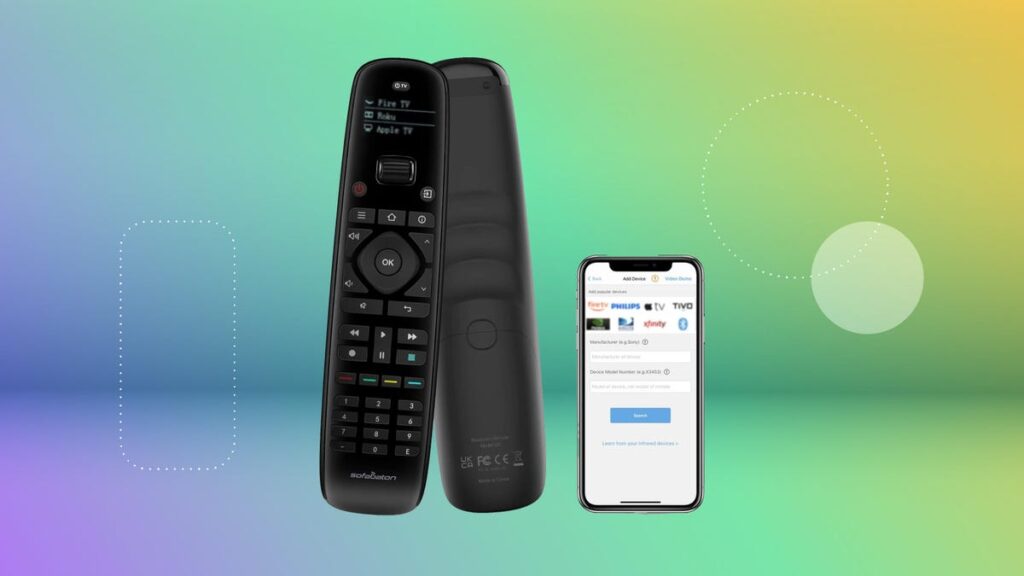
Table of Contents
The Paradox of Choice in the Living Room
For decades, the ‘universal remote’ was the holy grail of home cinema—a single, often overpriced piece of plastic designed to replace the cluttered sea of infrared clickers on the coffee table. But in 2026, the traditional universal remote is facing an existential crisis. The rise of HDMI-CEC (Consumer Electronics Control) has allowed TVs to communicate directly with soundbars and consoles, meaning a single LG or Samsung remote can often handle volume and power across three different devices without any manual programming.
Yet, for enthusiasts with AV receivers, legacy media players, and complex lighting setups, the ‘smart’ ecosystem still falls short. The gap between a basic streaming remote and a professional-grade automation system is wide, and that is where the market is currently fracturing into two distinct directions: high-end dedicated hubs and modular ‘bolt-on’ solutions.
The Modular Pivot: Sideclick’s Pragmatic Approach
One of the most interesting shifts in the category is the success of Sideclick. Rather than trying to replace the remote you already use for your Roku, Fire TV, or Apple TV, Sideclick acknowledges that those remotes are ergonomically superior and deeply integrated into the OS. Instead, it offers a physical expansion. By clipping a set of programmable IR buttons onto the side of an existing remote, Sideclick solves the ‘last mile’ problem of home theater control.
In practical testing, the Roku Sideclick allows users to map critical but missing functions—such as input switching on an LG TV or specific zone toggles on a Denon AV receiver—directly onto the streaming remote. While the hardware is simple and relies on line-of-sight infrared (IR) technology, it bypasses the frustration of complex app-based pairing. The $30 investment is a stark contrast to the hundreds of dollars previously spent on high-end Logitech Harmony systems, which have since vanished from the consumer market.
SofaBaton and the Struggle for the Mid-Range
While modularity is winning at the low end, SofaBaton has attempted to fill the vacuum left by Logitech. The SofaBaton U2 was long considered the gold standard for budget-friendly universal control, but its recent move to the U3 reflects a broader industry trend: increasing complexity requires higher price points. The U3 introduces expanded functionality and better device libraries, but at twice the cost of its predecessor, it enters a dangerous price bracket where users start questioning if they should just move to a full smart-home voice hub.
The challenge for dedicated remotes today is that they are fighting against the ‘voice-first’ tide. Devices like the Amazon Echo Cube have effectively merged the streamer, the speaker, and the remote into one entity. By utilizing an integrated IR emitter, the Cube can control legacy hardware via voice commands, though it lacks the tactile precision that power users crave when adjusting fine-tuned audio settings.
The Verdict on Control in 2026
The reality for most users in 2026 is that the ‘universal’ remote is no longer a single device, but a strategy. If your setup is simple—a smart TV and a soundbar—the manufacturer’s remote is sufficient. If you are bridging the gap between a modern streaming interface and older hardware, the modular approach of Sideclick is the most efficient path forward. For those managing a true cinema room with multiple zones and legacy components, the SofaBaton U3 remains one of the few viable tactile options left in a market increasingly dominated by voice and apps.