The Convergence of Optics and AI: Why Digitally Integrated Binoculars are Replacing the Telephoto Lens
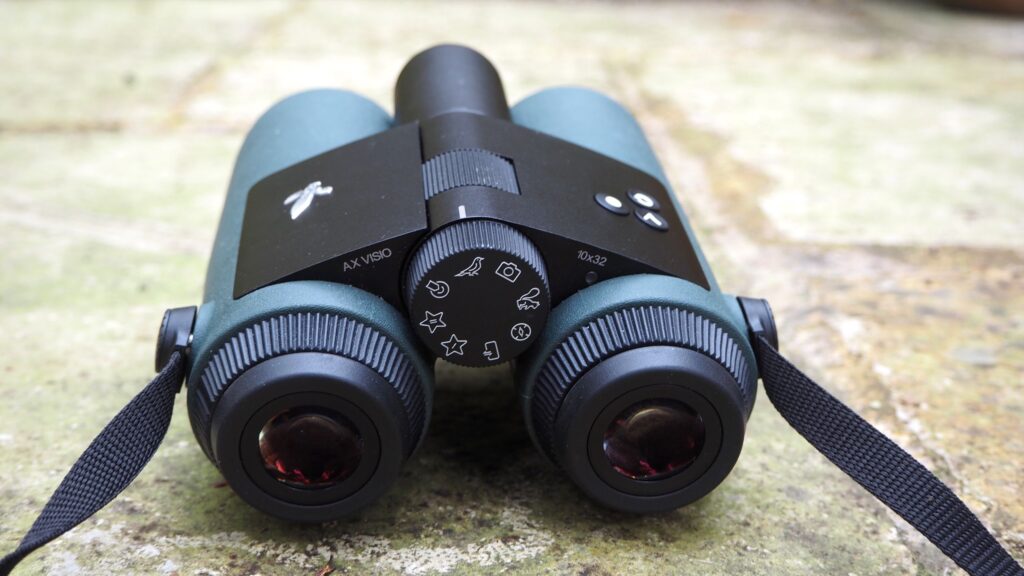
Table of Contents
The End of the ‘Bulky Lens’ Era?
For decades, the barrier to entry for high-quality wildlife photography has been the ‘big glass’ problem. Capturing a clear shot of a skittish kingfisher or a distant raptor typically required a heavy DSLR paired with a massive telephoto lens—gear that is as cumbersome to carry as it is expensive to acquire. However, a new category of hybrid optics is attempting to bridge the gap between casual birdwatching and professional-grade documentation.
Integrated camera binoculars are no longer just novelty gadgets. They are becoming sophisticated digital tools that combine high-end glass with AI-driven identification and high-resolution sensors. This shift is coinciding with a surprising demographic pivot; while birdwatching was once viewed as the domain of retirees, the RSPB reports a significant surge in Gen Z interest, with birding now ranking as one of the top hobbies for 16-to-24-year-olds in the UK. For this digitally native generation, the idea of carrying a separate camera, tripod, and lens is an archaic friction point.
Precision Optics Meets Machine Learning
At the high end of the market, the Swarovski Optik AV Visio 10×32 represents the current gold standard for this convergence. Unlike cheap digital binoculars, the AV Visio prioritizes optical purity while embedding a 13MP camera directly into the chassis. The real value proposition here isn’t just the photo capture, but the integration of on-board AI identification.
The AI system works in real-time, analyzing the visual data as the user tracks a subject. While the software is highly proficient with common wildfowl and deer, it still faces the ‘edge case’ struggles typical of machine learning—occasionally misidentifying less common reptiles or amphibians in complex pond environments. Nevertheless, the ability to instantly identify a species while simultaneously capturing a high-resolution image creates a streamlined workflow that traditional photography cannot match.
Night Vision and Thermal Integration
While Swarovski focuses on the luxury daylight experience, other manufacturers are attacking the problem from a tactical and nocturnal perspective. The HikMicro Habrok 4K HE25LN serves as a prime example of the ‘multitool’ approach to optics. By incorporating 4K resolution with infrared night vision and a laser rangefinder, the Habrok transforms from a viewing device into a comprehensive data collection tool.
The inclusion of a rangefinder allows observers to quantify the exact distance to a subject, a feature traditionally reserved for high-end hunting optics or military gear. For the enthusiast, this means the ability to conduct observations in failing light conditions that would render a standard camera sensor useless. More importantly, the Habrok enters the market at a fraction of the cost of the Swarovski systems, suggesting that the ‘prosumer’ gap in digital optics is closing rapidly.
The Psychological Shift in Observation
Beyond the specs, there is a fundamental change in how people interact with nature. Traditional photography often requires a ‘hunter’ mindset—stalking, waiting, and meticulously adjusting settings. Digitally integrated binoculars promote a more ‘observational’ flow. By removing the need to switch between binoculars and a camera, the user stays immersed in the moment.
This ‘flow state’ is a significant draw for the newer generation of ‘twitchers’ who view nature as a mental health sanctuary. When the technology becomes invisible—integrated into the very tool used for seeing—the act of recording becomes a byproduct of the experience rather than a distraction from it.
Technical Trade-offs
Despite the advantages, the transition isn’t without compromise. A 13MP integrated sensor cannot compete with the full-frame dynamic range of a mirrorless camera. There is also the matter of battery life; powering an AI processor and a 4K sensor consumes energy far more quickly than traditional analog glass. However, for 90% of users, the trade-off of ‘perfect image quality’ for ‘instant, effortless capture’ is a bargain they are willing to make.


