The Best Cat Water Fountains of 2026: Expert Reviews and Hydration Science
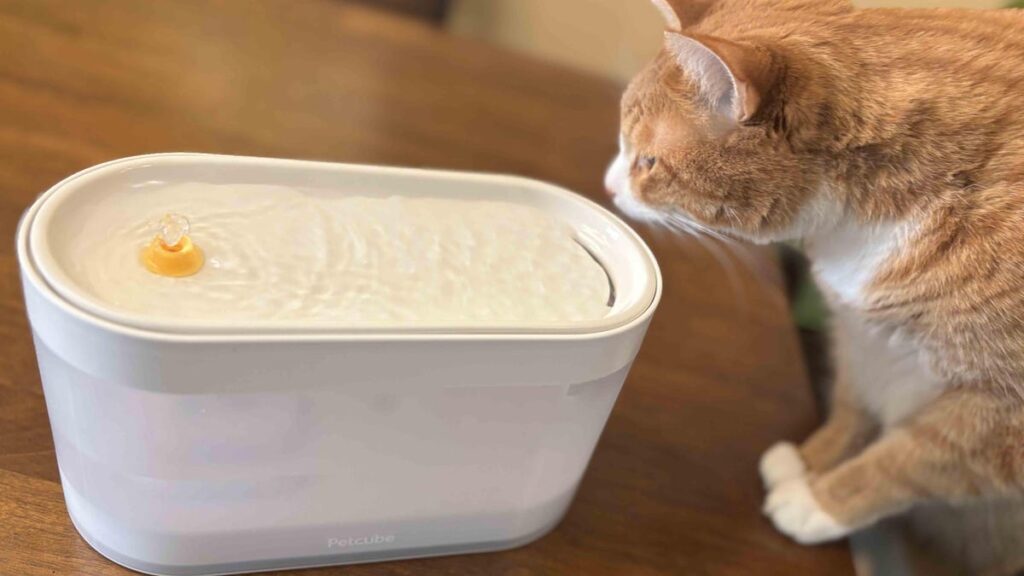
Table of Contents
Why Your Cat Ignores the Water Bowl
If you have ever caught your cat attempting to drink from a dripping faucet or a puddle on the bathroom floor while ignoring a full bowl of water, you aren’t alone. This behavior is rooted in evolutionary biology. Domestic cats are descendants of the Near Eastern wildcat, an animal adapted to arid environments. In the wild, standing water is often a breeding ground for bacteria and parasites. Moving water, conversely, typically signals a fresh, oxygenated source.
For many indoor cats, this instinct manifests as a preference for flowing water. More importantly, insufficient hydration is a primary driver for feline lower urinary tract diseases and chronic kidney disease (CKD), which affects roughly 30% of cats over the age of 15, according to veterinary data. This is where the best cat water fountains move from being a luxury gadget to a critical health tool.
- Material Matters: Stainless steel and ceramic are superior to plastic to avoid “cat acne” (feline acne) caused by porous surfaces.
- Filtration is Non-Negotiable: Look for multi-stage filters that combine activated carbon and ion-exchange resins to remove impurities and odors.
- Smart Features vs. Utility: While apps and proximity sensors are convenient, the noise level (decibels) and ease of cleaning are the most critical factors for long-term adoption.
- Portability: Battery-powered models allow you to place water sources in high-traffic areas without worrying about cable hazards.
The 2026 Testing Methodology: How We Ranked Fountains
We didn’t just read the manuals. To determine the top performers of 2026, we placed five leading models in a multi-cat household environment over a 90-day period. We evaluated them based on four primary metrics: Acoustic Impact (measured in dB to ensure they don’t scare the pet), Filtration Efficiency (checking for slime buildup), Mechanical Reliability (pump longevity), and Cat Approval (measured by daily usage frequency).
The Performance Spectrum
Our testing revealed a clear divide between “dumb” fountains—which simply pump water—and “smart” ecosystems that monitor intake and filter health. For the average user, the sweet spot lies in a high-quality material build with minimal, reliable automation.
Deep Dive: The Top Performers of 2026
The Gold Standard: Petcube Pet Water Fountain
The Petcube model stands out because it solves the biggest problem in pet tech: the tradeoff between aesthetics and hygiene. Most plastic fountains develop a biofilm (slime) within a week. Petcube avoids this by offering genuine ceramic and medical-grade stainless steel trays.
During our tests, the 1.7-liter capacity was sufficient for a single cat, though multi-cat households will find themselves refilling it every 2-3 days. The standout feature is the drainage tank located beneath the main tray; by preventing water from recirculating through the very bottom of the reservoir, it significantly reduces the accumulation of debris in the pump.
The Petcube is the most balanced option on the market, blending a quiet pump (under 30dB) with an app that actually provides value rather than just sending notifications for the sake of it.
The Mobile Powerhouse: Petlibro Portable Fountain
One of the most common complaints with cat fountains is the “cable tether.” Cats often decide they want their water in a different corner of the room, and moving a plugged-in unit is a chore. The Petlibro Portable solves this with a high-capacity rechargeable battery and a secure clamping tray.
In our real-world usage, the 2.5-liter tank held up well, and the battery lasted approximately 14 days on a medium flow setting. It is an ideal solution for renters or those with open-concept living spaces where power outlets are sparse.
The Budget Workhorse: Generic High-Flow Multi-Stream
Not every home needs a Wi-Fi-enabled water bowl. We tested a variety of budget-friendly 3.2-liter models (typically retailing under $30). While they lack the refined filtration of the Petcube, their multi-stream design is surprisingly effective for multi-cat homes. By providing three separate points of water entry, it eliminates the “resource guarding” behavior often seen when one dominant cat blocks a single spout.
The Minimalist Choice: PetSafe Stainless Steel
For users who distrust the “Internet of Things,” the PetSafe model remains the industry benchmark for reliability. It uses a traditional foam and carbon filter combination. While it lacks a proximity sensor, its 1.8-liter stainless steel basin is virtually indestructible and easy to sanitize in a dishwasher.
Technical Breakdown: Understanding Filtration and Materials
The Danger of Plastic: Feline Acne
If you see small black bumps on your cat’s chin, you may be dealing with feline acne. This is often caused by bacteria trapped in the microscopic scratches of plastic bowls. This is why we prioritize stainless steel and ceramic. These materials are non-porous and can be scrubbed with abrasive sponges without creating new hiding spots for bacteria.
Filtration Stages Explained
A high-quality fountain doesn’t just “filter” water; it treats it. Most 2026 models use a three-to-four stage process:
- Mechanical Filtration: A foam or mesh layer that catches hair, dust, and food particles.
- Chemical Filtration: Activated carbon that removes chlorine and unpleasant odors.
- Ion Exchange: Specialized resins that target hard water minerals (calcium/magnesium) to prevent kidney stone formation.
- Biological Filtration: Some high-end models now include antimicrobial coatings on the pump to slow algae growth.
What This Means for Your Pet’s Health
The transition from a bowl to a fountain is more than a lifestyle upgrade; it is a preventative health measure. By increasing the attractiveness of water, you encourage higher voluntary intake. This helps flush the kidneys and dilutes the urine, which reduces the risk of struvite crystals forming in the bladder.
However, a fountain is not a “set it and forget it” device. The most common failure point in pet hydration is filter neglect. A saturated filter becomes a breeding ground for bacteria, which can actually make the water less sanitary than a simple bowl. We recommend a full deep-clean every 14 days and a filter swap every 30 days, regardless of what the app says.
Comparison: Material Performance
| Material | Durability | Hygiene | Weight | Price Point |
|---|---|---|---|---|
| Plastic | Moderate | Low (Porous) | Light | Budget |
| Stainless Steel | High | High | Moderate | Mid-Range |
| Ceramic | Moderate (Breakable) | Highest | Heavy | Premium |
Common Questions About Cat Hydration
How often should I actually change the filter?
While manufacturers suggest 30 days, we recommend checking the filter every 14 days. If you see brown discoloration or a “slimy” texture on the mesh, replace it immediately. For multi-cat households, the lifespan of a filter is typically reduced by 25-50% due to higher debris volume.
Are cordless fountains safe?
Yes, provided they use certified Li-ion batteries with overcharge protection. The Petlibro and Petcube cordless options we tested utilize standard charging bases that prevent electrical leakage into the water reservoir.
My cat is still not drinking; what should I do?
Cats are sensitive to the sound and splash of water. If your cat avoids a fountain, try switching from a “bubbling” spout to a “trickling” stream. Some cats prefer the surface of a ceramic bowl over a stainless steel one due to the reflection of light.
Do I need an app for my cat’s water?
For 90% of users, no. However, if you have a cat with chronic kidney disease, the intake monitoring features in smart fountains can provide a vital data point for your veterinarian to determine if the animal is staying adequately hydrated.
Can I use distilled water in my fountain?
You can, but it isn’t necessary if you have a high-quality ion-exchange filter. In some cases, using purely distilled water can actually strip essential minerals that some pets need, though this is a debated topic among veterinary nutritionists.
The Final Verdict on 2026 Hydration Tech
The 2026 market has matured. We are moving away from the era of noisy, cheap plastic pumps and into a period of material science. Whether you choose the high-tech integration of the Petcube or the rugged simplicity of the PetSafe, the goal remains the same: mimicking the natural flow of water to trigger a cat’s ancestral drinking instinct. For the best results, prioritize materials that resist biofilm and a pump that doesn’t sound like a running dishwasher.