The Battery Arms Race: OnePlus and Realme Push 8,000mAh Limits as Apple Preps Siri AI Overhaul

Table of Contents
The Return of the ‘Monster’ Battery
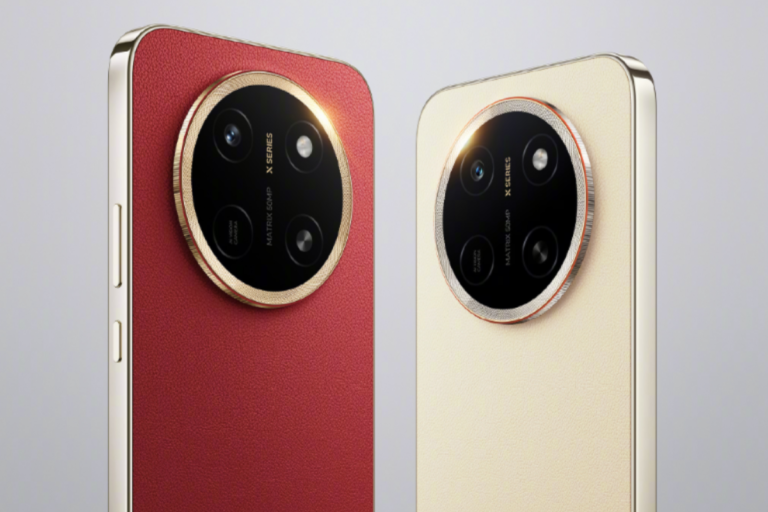
For years, the smartphone industry settled into a comfortable plateau of 5,000mAh batteries, balancing weight and longevity. However, a sudden shift in the budget and mid-range sectors is signaling a return to the ‘monster’ battery era. OnePlus is leading this charge with the upcoming Turbo 6X series, slated for a June 10 launch. The standout specification is a massive 8,000mAh cell, a move that suggests OnePlus is targeting power users and gamers who have grown tired of midday charging cables.
Realme is not far behind. The Realme P4R 5G, also arriving on June 10, mirrors this strategy with its own 8,000mAh capacity paired with a 50MP AI-enhanced camera system. This simultaneous push by two closely related entities suggests a strategic pivot toward endurance as a primary competitive moat in an increasingly saturated hardware market. When paired with AMOLED displays—which are confirmed for the Turbo 6X—these devices are positioning themselves as the go-to options for long-haul travel and intensive mobile gaming.
Apple’s Generative Pivot at WWDC
While the Android camp fights a war of attrition over battery capacity, Apple is focusing on the intelligence layer. The World Wide서 Developers Conference (WWDC) has become the focal point for the industry, as Apple is expected to unveil a fundamental redesign of Siri. The goal is clear: transform Siri from a basic voice assistant into a generative AI powerhouse capable of the fluid, context-aware reasoning seen in OpenAI’s ChatGPT.
This transition isn’t just about better voice recognition; it’s about integrating Large Language Models (LLMs) directly into the OS. If Apple successfully embeds these capabilities, Siri could move from simply setting timers to managing complex cross-app workflows—potentially drafting emails based on a calendar event or summarizing long threads of messages in real-time. This move is a direct response to the pressure exerted by Google’s Gemini and the rapid adoption of AI assistants across the mobile ecosystem.
The Mid-Range Market Fragmenting
Beyond the battery and AI headlines, the mid-range market is seeing a strange diversification of ‘specialty’ devices. Infinix is attempting to carve out a niche with the Smart 20, which claims to allow calling functionality without traditional SIM or internet dependencies—a feature that targets emerging markets with unstable connectivity. Meanwhile, the Infinix Note Edge JBL Edition is doubling down on audio, integrating JBL hardware directly into the chassis and bundling an external speaker to lure in the audiophile crowd.
Even the ‘T’ series from Xiaomi is making a comeback. The Xiaomi 17T is returning to the Indian market after a four-year hiatus, aiming to provide a flagship-grade camera experience without the typical premium price tag. This suggests a broader trend where manufacturers are moving away from generic ‘all-rounder’ phones and instead creating highly specific value propositions—whether that’s an 8,000mAh battery, professional-grade audio, or hyper-specific connectivity.
Security and the User Experience
As hardware evolves, the software layer is becoming more defensive. Google is reportedly deploying a ‘digital strike’ system to combat the rising tide of fraudulent calls, utilizing a verification system that alerts users to the legitimacy of a caller in real-time. Similarly, WhatsApp is refining its security parameters to warn users about suspicious links and messages from unknown numbers, reflecting a growing industry-wide need to protect users from increasingly sophisticated social engineering attacks.
With the Motorola Edge 70 Pro+ introducing 6,500mAh batteries and high-resolution 50MP selfie cameras, the line between ‘budget’ and ‘flagship’ continues to blur. The industry is no longer just competing on raw specs, but on how these specs solve specific human frustrations—be it battery anxiety or the fear of digital scams.