The AI Tax: How the Race for HBM is Driving Up the Cost of Your Next Laptop
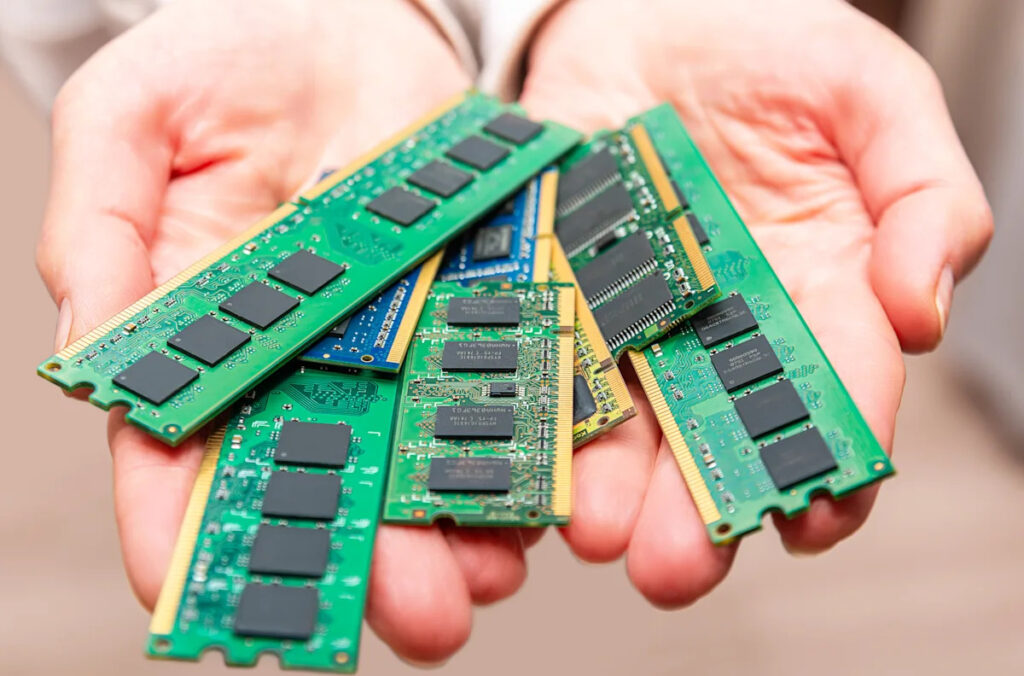
Table of Contents
The Hidden Cost of the Generative AI Boom
If your recent experience shopping for a new laptop, gaming console, or high-speed SSD felt unusually expensive, you aren’t imagining the price creep. A systemic shift in the semiconductor supply chain—driven by the aggressive scaling of generative AI—is effectively taxing the average consumer to fund the infrastructure of the AI era.</n
Industry insiders have begun referring to this phenomenon as “RAMmageddon.” While global economic volatility always plays a role in pricing, the current squeeze is more specific: the world’s most critical memory manufacturers are pivoting their production lines away from consumer-grade hardware to satisfy the insatiable hunger of AI data centers.</n
The Pivot to High-Bandwidth Memory (HBM)
At the heart of the issue is a fundamental change in how memory is prioritized. The massive Large Language Models (LLMs) powering OpenAI’s ChatGPT, Google’s Gemini, and Anthropic’s Claude require an entirely different class of memory than a standard MacBook or PlayStation 5. They rely on High-Bandwidth Memory (HBM), an ultra-fast, vertically stacked DRAM that allows GPUs to process vast amounts of data with minimal latency.</n
The problem is that HBM is significantly more resource-intensive to manufacture than the commodity DRAM used in consumer electronics. Because the global supply of memory is essentially a triopoly controlled by Samsung, SK Hynix, and Micron, any shift in their production priorities has an immediate ripple effect across the entire tech ecosystem.</n
These three giants are currently prioritizing high-margin HBM and enterprise-grade DDR5 orders. AI firms, flush with venture capital and corporate budgets, are willing to pay a premium to ensure their data centers remain operational. Consequently, the production of the lower-margin commodity chips used in smartphones and budget laptops has been tightened. In a stark illustration of this pivot, Micron has notably stepped back from its Crucial consumer brand, signaling a strategic move away from the enthusiast and budget retail markets toward enterprise AI infrastructure.</n
From Game Consoles to VR Headsets
The impact is no longer theoretical; it is visible in retail pricing and product availability. Hardware manufacturers like Dell and Lenovo have acknowledged that memory constraints are impacting their bottom lines. The gaming sector has been hit particularly hard, with Sony, Microsoft, and Nintendo all implementing price adjustments for their consoles in various markets.</n
The shortage has also stalled product pipelines. Valve’s Steam Deck has faced prolonged stock issues, and the anticipated launch of a dedicated Steam Machine for the living room appears delayed by the same component crunch. Even Meta has cited memory shortages as a primary driver for the price increase of its Quest VR headsets earlier this year.</n
While Apple has partially insulated itself through immense purchasing power and a streamlined silicon pipeline, the company has still raised starting prices for several MacBook configurations and discontinued its most affordable Mac mini options, suggesting that even the industry’s biggest buyer isn’t entirely immune to the supply shift.</n
Beyond RAM: The NAND Squeeze
The crisis isn’t limited to volatile memory. A similar pattern is emerging with NAND flash—the technology behind SSDs, microSD cards, and thumb drives. AI training requires astronomical amounts of fast storage for datasets, leading manufacturers to prioritize enterprise SSDs over consumer-grade flash storage.</n
This has created a “perfect storm.” After a period of oversupply a few years ago, manufacturers intentionally cut NAND production to stabilize prices. Now, with AI demand skyrocketing, the market has swung from a surplus to a critical deficit, driving up the cost of everything from high-end gaming NVMe drives to basic SD cards.</n
A Long-Term Supply Gap
The most concerning aspect for consumers is the timeline for relief. There is no indication that this is a short-term glitch. In April, Samsung executive Kim Jaejune suggested that the supply-to-demand gap would likely worsen next year, potentially persisting through 2027. Other industry leaders, including figures from SK Group, have hinted that the structural imbalance could last until 2030.</n
As AI continues to integrate into every facet of software, the hardware required to run it will continue to command the priority. For the average consumer, this means the era of rapidly falling component prices is over, replaced by a market where the cost of a laptop is increasingly tied to the growth of the AI cloud.