The $200 MacBook Air Gamble: Why Grade A/B Refurbished Hardware is Flooding the Entry-Level Market
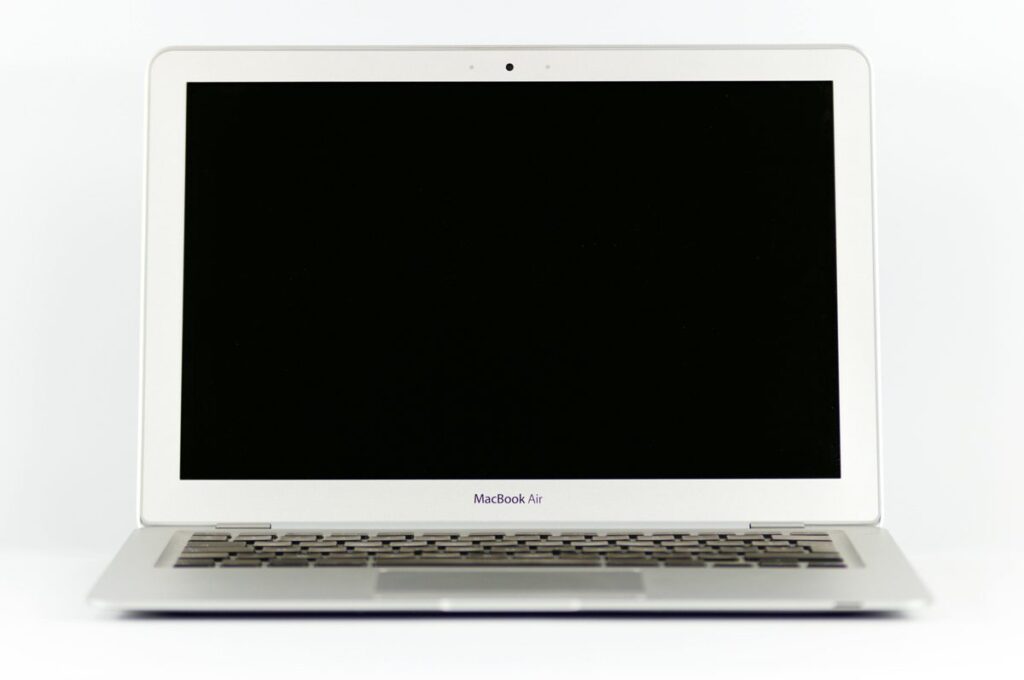
Table of Contents
The price floor of the macOS ecosystem
For years, the entry point into the Apple ecosystem has been the iPad, with the base model typically serving as the most affordable way to access Apple’s software suite. However, a new pricing anomaly in the refurbished market has flipped that script. A 13-inch MacBook Air is currently retailing for $199.97—a price point that undercuts even the most basic iPad and challenges the value proposition of budget Chromebooks.
While the headline price of $199.97 against a theoretical retail value of $999 looks like a systemic error, it is actually a reflection of the aggressive devaluation of Intel-based Mac hardware. As Apple continues to push its M-series silicon, the older x86 architecture is seeing a precipitous drop in secondary market value, making professional-grade chassis available for the price of a mid-range tablet.
Decoding the ‘Grade A/B’ designation
The primary driver behind this 80% discount isn’t just age; it’s the specific condition rating. This unit is listed as Grade A/B refurbished. In the world of secondary electronics, this is a critical distinction. Unlike “Apple Certified Refurbished” products, which are virtually indistinguishable from new, Grade A/B units are sourced from third-party liquidators.
Buyers should expect tangible signs of previous ownership. According to industry standards for B-grade hardware, this typically manifests as superficial scuffs on the aluminum chassis, minor keyboard shine from heavy use, or small dents on the corners. While the internal components are verified as operational, the aesthetic integrity is compromised. For a student or a remote worker on a strict budget, these cosmetics are a fair trade for a full clamshell experience at a fraction of the cost.
Technical limitations in a modern context
To understand if this is a genuine bargain or a digital paperweight, one has to look at the internals. This model features a 1.8GHz Intel Core i5 processor and 8GB of RAM. By 2026 standards, these specs are lean. The Intel HD Graphics 6000 will struggle with modern 4K video editing or heavy gaming, but it remains perfectly adequate for word processing, web browsing, and light administrative work.
The most significant bottleneck is the 128GB of local storage. In an era where operating system updates and cached browser data consume gigabytes of space rapidly, users will likely need to rely on external SSDs or cloud integration like iCloud and Google Drive. However, the 13.3-inch widescreen display remains a strong selling point, offering a productivity surface area that far exceeds any tablet in this price bracket.
The battery life reality check
The listing claims a 12-hour battery life, but seasoned hardware buyers know that refurbished lithium-ion batteries rarely hit their original factory benchmarks. Depending on the cycle count of the specific unit shipped, real-world usage is more likely to hover between 5 and 8 hours. This still outperforms many budget Windows laptops in the $200 range, but it means the charger will be a permanent companion.
Ultimately, the appeal of this deal lies in the build quality. Even an aging MacBook Air offers a trackpad and keyboard experience that dwarfs most competitors at this price point. For those who prioritize a physical keyboard and the macOS environment over a pristine screen or a cutting-edge processor, the $199 price point represents a rare opportunity to own a piece of premium industrial design without the premium cost.


