TechCrunch Disrupt 2026 Opens Call for Speakers as San Francisco Prepares for October Return
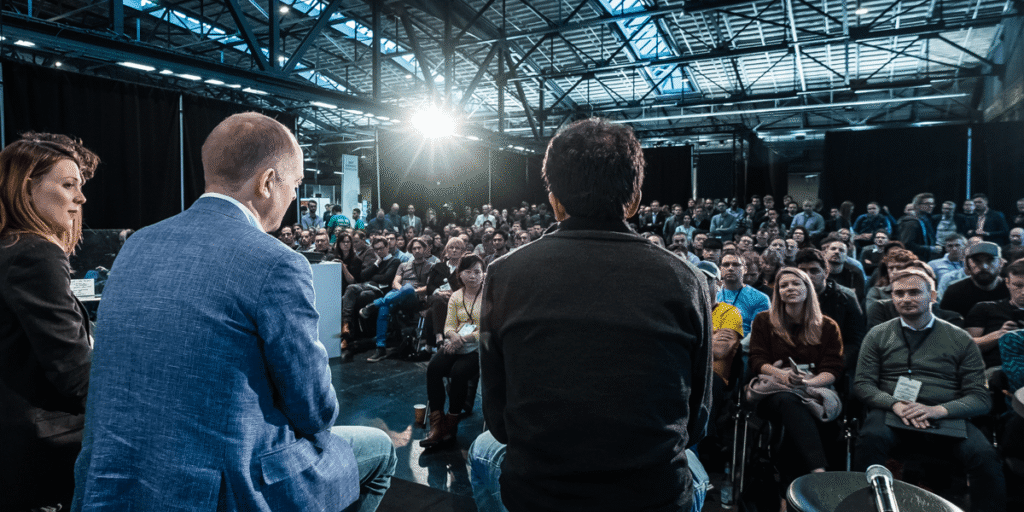
Table of Contents
The Clock is Ticking for the Moscone West Stage
The window for founders, venture capitalists, and engineers to secure a spot on one of the most coveted stages in the startup ecosystem is rapidly closing. TechCrunch Disrupt 2026 is officially returning to San Francisco’s Moscone West from October 13–15, and the deadline for speaker applications is set for 11:59 p.m. PT tonight.
For years, Disrupt has served as a bellwether for the tech industry, evolving from the early days of the ‘Startup Battlefield’ into a broader forum for the people building the actual infrastructure of the future. With over 10,000 leaders from the startup and VC world expected to descend on the city, the 2026 iteration is positioning itself as a critical junction for those navigating the shift from generative AI hype to sustainable, scaled deployment.
Defining the 2026 Agenda
The editorial focus for this year’s event is heavily weighted toward the ‘how’ of innovation. While previous years focused on the novelty of Large Language Models (LLMs), the current mandate is focused on scaling, fintech evolution, robotics, and the underlying infrastructure required to support the next wave of compute. The organizers are specifically seeking ‘high-impact’ voices—people who can move past the marketing jargon and offer actionable insights based on real-world implementation.
Applicants can vie for two distinct formats, reflecting a shift toward more intimate, high-density knowledge sharing rather than traditional keynote monologues. The Breakout Sessions are designed as 30-minute intensive talks for up to four speakers and a moderator, leaving a significant window for audience Q&A. This format is typically where the most rigorous technical vetting happens, as the 100-person capacity encourages a more focused, expert-level dialogue.
Conversely, the Roundtables represent a move away from the polished slide deck. These are 30-minute, speaker-led discussions capped at 40 participants. By stripping away the AV and the PowerPoint, Disrupt is attempting to recreate the raw, unfiltered exchange of ideas that usually happens in the hallways of the Moscone Center rather than on the main stage.
A Democratic Selection Process
One of the most distinct aspects of the Disrupt selection process is the role of the community. After the TechCrunch editorial team filters the initial wave of applications, the finalists are not simply appointed. Instead, they are put forward for an Audience Choice vote.
This mechanism ensures that the sessions appearing on the final schedule are those the industry actually wants to hear, rather than those that simply have the most aggressive PR firms behind them. It creates a competitive environment where the quality of the proposed thesis—whether it’s a new take on decentralized finance or a breakthrough in humanoid robotics—determines the speaker’s success.
As San Francisco continues to cement its role as the epicenter of the AI gold rush, the timing of Disrupt 2026 is strategic. The event comes at a time when the industry is questioning the ROI of massive AI investments and looking for the next legitimate vertical of growth. For the founders and operators applying today, the opportunity isn’t just about visibility; it’s about setting the narrative for the next cycle of venture funding.


