The Subscription Trap: Why Your 2026 Digital Budget Needs a Hard Reset
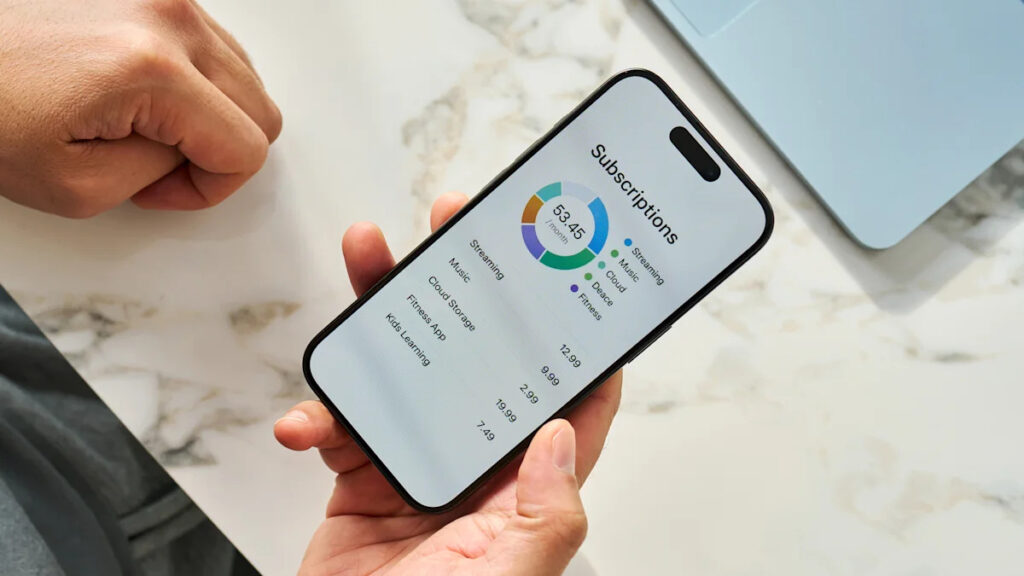
Table of Contents
The Era of ‘Subscription Everything’ Has Hit a Ceiling
There was a time when the transition from ownership to access felt like a victory for the consumer. We traded the clutter of CDs for Spotify and the rigidity of cable packages for Netflix. It was a promise of convenience and cost-efficiency. However, by 2026, that promise has morphed into a fragmented landscape of recurring micro-transactions that often exceed the cost of the legacy systems they replaced.
The current digital economy has entered a phase of aggressive ‘subscription creep.’ It is no longer just about software and media; we are now seeing recurring billing models applied to printer ink, food delivery priority access, and even basic AI productivity utilities. For the average user, this has created a state of perpetual financial leakage—small, automated charges that go unnoticed until a quarterly audit reveals a staggering annual burn rate.
The Streaming Paradox and the Rise of ‘Rotation’
The ‘cord-cutting’ movement of the last decade has ironically led us back to a fragmented ecosystem that mirrors the cable bundles of the early 2000s. With the proliferation of platforms like Disney+, Max, Paramount+, and Peacock, consumers are facing a paradoxical choice: pay for five different services to access five different shows, or accept a barrage of ads on a platform they already pay for.
Market trends suggest a shift toward subscription rotation. Rather than maintaining a year-round portfolio of streaming services, savvy users are treating these platforms like digital rentals—subscribing for a single month to binge a specific series and canceling immediately after. This tactical approach treats content as a project rather than a utility, effectively breaking the cycle of passive monthly billing.
The AI Utility Bubble
2025 and 2026 have been defined by the rush to integrate Large Language Models (LLMs) into every facet of work. From ChatGPT Plus and Claude Pro to Midjourney and specialized AI coding assistants, the ‘productivity stack’ has become a significant monthly overhead. While these tools offer genuine power, many users find themselves paying for premium tiers to perform tasks that free, open-source models or integrated OS features (like those seen in the latest Windows and macOS updates) now handle with sufficient competence.
The value proposition of the $20/month AI subscription is narrowing. Unless you are utilizing API-level integrations or high-token window processing for professional development, the marginal gain of a paid subscription over a free, capable model is often negligible.
The Hidden Costs of ‘Convenience’ Apps
The mathematics of the ‘Convenience Economy’ have become increasingly punitive. Food delivery platforms and fitness ecosystems have shifted from providing value to extracting maximum rent. In the delivery sector, the combination of service fees, inflated menu pricing, and mandatory tipping has pushed the cost of a basic meal toward a 100% markup over the retail price.
Similarly, the fitness app landscape has become an oversized ‘subscription smoothie.’ Users often pay for Strava, MyFitnessPal, and various meditation or sleep apps simultaneously, despite the fact that core biometric tracking and health data are now natively handled by Apple Health and Google Fit. The transition from a tool that helps you exercise to a tool that merely generates a graph of your exhaustion is where the value proposition collapses.
Recalibrating the Digital Wallet
Recovering from subscription fatigue requires a move toward intentional ownership. This means opting for monochrome laser printers over ink-subscription models, choosing lifetime licenses over monthly SaaS fees when available, and utilizing ad-supported tiers for non-essential entertainment. The goal is no longer to have access to everything, but to maintain access only to what provides a measurable return on investment in time, health, or income.


