Strait of Hormuz Blockade: Trump Holds Firm on ‘Excessive’ Demands as Iran Ceasefire Stalls
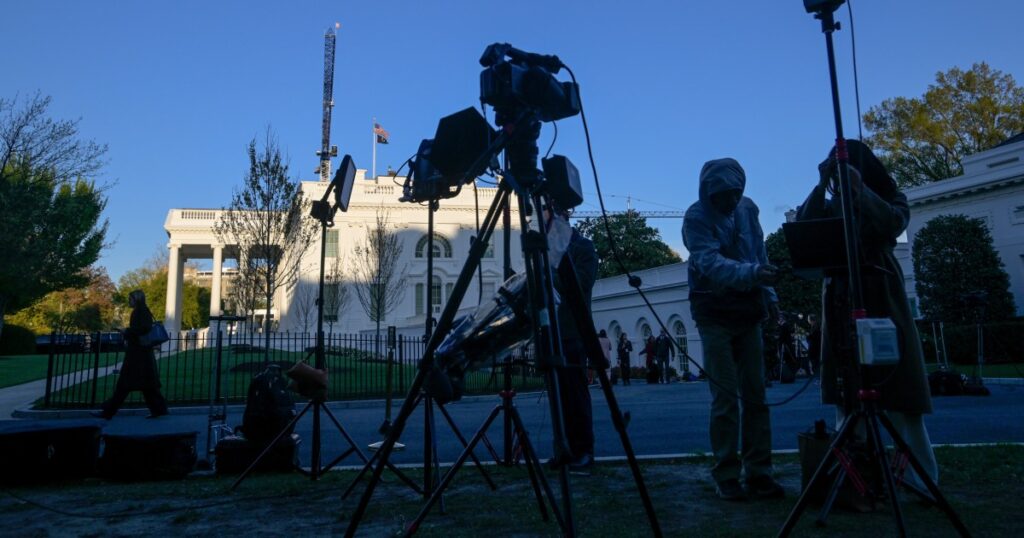
Table of Contents
A Diplomatic Game of Chicken
The fragile ceasefire between the United States and Iran has entered a period of acute instability as President Donald Trump declines to sign off on a deal that mediators claim was effectively settled days ago. Following a two-hour Situation Room meeting on Friday, the White House offered no announcement, leaving a high-stakes vacuum where a definitive peace agreement was expected.
The disconnect is stark. While a senior Arab official involved in the mediation told NBC News that the terms were “closed in Doha three days ago,” the reality on the ground is a stalemate defined by a “game of chicken and egg.” The delay has not only frustrated regional mediators but has kept the global energy market in a state of volatile anticipation.
The Non-Negotiables: Nuclear Weapons and Maritime Access
President Trump has signaled that his “final determination” hinges on three specific, aggressive conditions. First, Iran must provide an absolute guarantee that it will never possess a nuclear weapon. Second, the Strait of Hormuz—a critical artery for global trade—must be reopened for unrestricted shipping traffic in both directions. Third, all naval mines currently obstructing the waterway must be destroyed.
The blockage of the Strait of Hormuz is more than a diplomatic hurdle; it is a global economic choke point. Roughly 20% of the world’s total oil consumption passes through this narrow corridor. The current blockade has acted as a synthetic supply shock, driving energy prices to peak levels over the last three months.
Tehran’s Reaction: ‘Betraying Diplomacy’
From Tehran, the White House’s insistence on these terms is being viewed not as a baseline for peace, but as a bad-faith tactic. Mohsen Rezaei, a senior official and former commander of the Islamic Revolutionary Guard Corps (IRGC), accused the U.S. administration of “betraying diplomacy for the third time,” as reported by the semiofficial Mehr News agency.
Rezaei characterized the U.S. demands as “excessive,” suggesting that the continued naval blockade serves a broader strategic objective beyond a simple ceasefire. This sentiment was echoed by Foreign Ministry spokesperson Esmail Baghaei, who clarified that nuclear details are not currently the primary focus of discussions, which remain narrowly centered on ending the active conflict.
The Military Alternative
While Secretary of State Marco Rubio had previously hinted at “good news” arriving within hours, the tone from the Department of Defense has shifted toward an implicit threat of escalation. Defense Secretary Pete Hegseth, speaking at the Shangri-La Dialogue in Singapore, emphasized that while the President is “patient” in seeking a “great deal,” the U.S. is fully prepared to restart offensive operations if diplomacy fails.
Hegseth specifically noted that U.S. stockpiles are “more than suited” for a sustained conflict in the region, framing the military capability of the U.S. as a lever to force Iranian compliance. This “maximum pressure” approach suggests that the White House is comfortable with the risk of renewed hostilities if the cost of the ceasefire is deemed too low.
Market Volatility and the Oil Hedge
Despite the diplomatic friction, Brent crude prices have seen a slight dip, trading around $92 a barrel on Friday. The market is currently hedging on the hope that the mere existence of a draft agreement—even one stalled in the Situation Room—suggests that a total collapse of talks is unlikely. Brent has fallen nearly 20% throughout May, reflecting a cautious optimism that the blockade of the Strait of Hormuz will eventually be lifted.
However, as reported by Tasnim, draft texts of the agreement are still being modified. Until both the White House and the Iranian leadership sign a finalized document, the global economy remains vulnerable to the sudden resumption of strikes or a further tightening of the maritime blockade.