Starlink Pivots to Hardware Rentals: SpaceX Moves Toward a Classic Telecom Billing Model
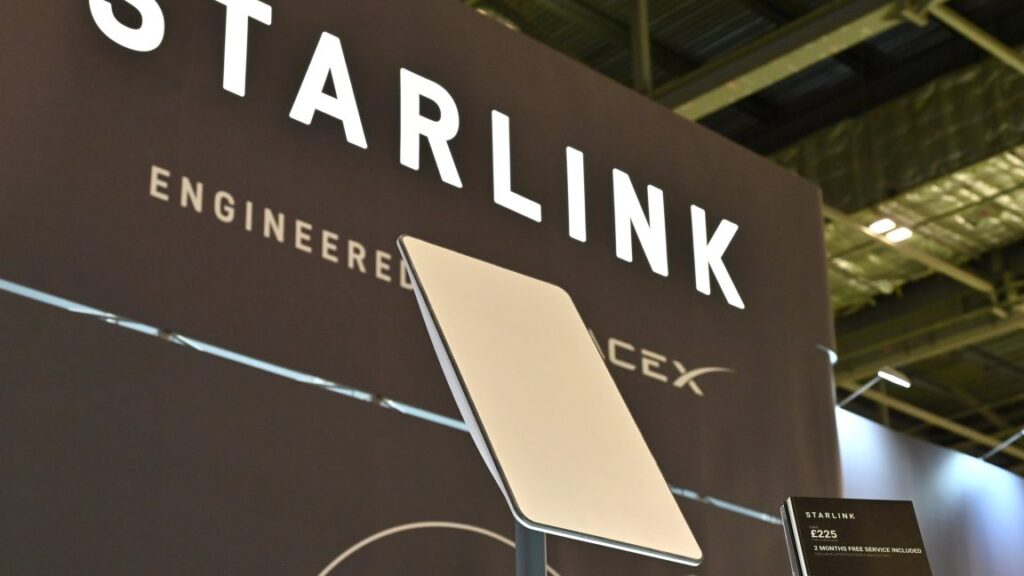
Table of Contents
The End of the Upfront Cost Era
For years, Starlink operated on a model that felt more like a consumer electronics play than a traditional utility: you bought the dish, you owned the hardware, and you paid a monthly subscription for the data. However, SpaceX is now pivoting toward a strategy that looks remarkably like the legacy cable and telco providers it once sought to disrupt. In several key markets, Starlink has begun replacing its one-time hardware purchase with a $10 monthly rental fee.
On residential ordering pages across the US, Canada, the UK, France, Australia, and Mexico, new customers are seeing an upfront hardware cost of $0, paired with a recurring “kit fee” of $10 per month. This kit includes the satellite terminal and the home router. While the low entry cost is designed to lower the barrier for new sign-ups, it fundamentally changes the ownership structure of the service.
Price Creep and Tiered Connectivity
This hardware shift doesn’t exist in a vacuum. It arrives alongside a broader price restructuring of Starlink’s service plans. The company recently implemented price hikes ranging from $5 to $10 per month, introducing a tiered system based on speed and performance. Residential users are now seeing the following monthly rates:
- 100Mbps Tier: $55 per month
- 200Mbps Tier: $85 per month
- Max Tier (up to 400Mbps): $130 per month
For those opting for the Max plan, professional installation is included at no extra cost. For all other tiers, a one-time professional installation fee of $199 remains optional. When combined with the new $10 kit fee, a standard 100Mbps connection now starts at $65 per month, effectively increasing the monthly overhead for the most affordable plan.
The Fine Print: No More Pausing
The shift to rental isn’t just about billing—it’s about control. According to a Starlink support article, the rental option is currently limited to residential service plans in select countries. Crucially, customers who rent their hardware are prohibited from pausing their service. In the previous ownership model, users (particularly “Roamers” or seasonal residents) could pause their subscriptions during months they didn’t need internet without losing their equipment access.
For those who prefer ownership, the option isn’t entirely gone, though it is no longer the default path on the main sign-up page. Current rental customers who wish to purchase their kits are instructed to create a support ticket to facilitate the transition. Additionally, hardware is still available through third-party retailers like Best Buy and Walmart, which often offer more aggressive pricing than SpaceX’s direct channels.
Calculating the Long-Term Cost
From a financial perspective, the rental model is a losing proposition for the consumer over time. At $10 per month, a user will spend $360 over three years. Comparatively, the standard dish has recently retailed for $349, and has even been discounted as low as $199 or $89 in certain promotional windows. By shifting to a rental model, SpaceX creates a recurring revenue stream that increases the Lifetime Value (LTV) of each customer.
This move appears to be a strategic play to bolster SpaceX’s balance sheet as the company prepares for a potential public offering. The financial pressure to monetize the Starlink division is evident; the sector already contributed $3.26 billion of SpaceX’s total $4.69 billion revenue in the first quarter of 2026. By converting a one-time capital expenditure into a monthly operational expense for the user, SpaceX is mirroring the “Everything-as-a-Service” (XaaS) trend dominating the software and hardware industries.
For existing users who already own a kit, the rental fee can be avoided during the checkout process by entering their specific device identifier number, ensuring they aren’t double-charged for hardware they already possess.