Meta Scrubs ‘Name Tag’ Facial Recognition Code from Smart Glasses App After Leak
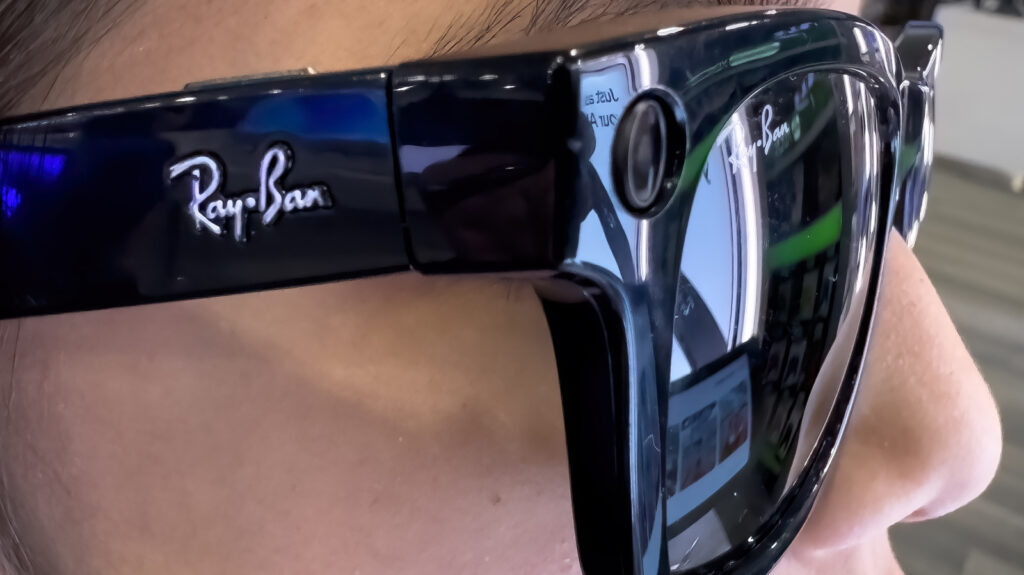
Table of Contents
A Quiet Exit for ‘Name Tag’
Meta has swiftly purged a dormant piece of facial recognition code from the companion app used to manage its smart glasses, moving with a level of urgency that suggests the company was uncomfortable with the discovery. The code, internally referred to as “Name Tag,” was identified by Wired during a review of the app’s codebase, which handles essential functions like Bluetooth pairing and device synchronization for Ray-Ban Meta glasses.
The timeline of events is strikingly brief. Wired first uncovered the suspicious algorithms on June 4; by June 5, Meta had pushed an update that completely removed the code from the live environment. The speed of the removal indicates that while the feature may not have been active for the general public, its presence in a production app was a significant oversight—or a premature deployment of a highly controversial tool.
How the Biometric System Worked
The discovered code wasn’t just a simple image-matching tool. According to the technical analysis, the algorithms were designed to convert photographs of human faces into biometric identifiers. These identifiers would be stored on the device and cross-referenced in real-time against new facial scans captured by the glasses’ camera.
This architecture points toward a feature designed to solve a common social friction: forgetting a name. By scanning a face and matching it against a stored biometric profile, the glasses could theoretically whisper the identity of an acquaintance into the wearer’s ear. However, this utility comes with a steep privacy cost. While the user might find it helpful, the person being scanned is subjected to biometric analysis without their knowledge or consent, effectively turning the wearer into a mobile surveillance node.
A Pattern of Privacy Friction
The “Name Tag” leak doesn’t exist in a vacuum. Back in February, The New York Times reported that Meta was actively exploring facial recognition for its wearable line, specifically mentioning the same internal moniker. The fact that this code actually made it into the app suggests the project had moved beyond the conceptual phase and into actual software engineering.
Meta’s smart glasses, produced in partnership with Luxottica (the parent company of Ray-Ban and Oakley), have already faced a barrage of criticism regarding their impact on public anonymity. Beyond the general “creep factor,” the devices have been linked to targeted harassment, with some influencers using the discreet cameras to record individuals without consent. The company’s handling of the data has also been scrutinized; a class-action lawsuit filed in March followed revelations that Kenyan contractors were reviewing footage from the glasses, including highly private moments and bathroom usage, as part of a data-labeling effort.
The Corporate Response
When pressed for a statement, Meta’s vice president of communications, Andy Stone, told Wired that the feature was merely a “pilot effort” and that the company had not reached a final decision on whether the feature would ever be implemented.
While Stone frames this as an unfinished experiment, the reality is that the code had reached the distribution phase. For engineers to write, review, and ship this code into a live app requires a deliberate chain of approval. The swift removal of the code serves as a tacit admission that Meta is acutely aware of the regulatory and public relations minefield surrounding biometrics—especially in regions like the EU or Illinois, where strict biometric privacy laws (such as BIPA) make the unauthorized collection of face-prints a legal liability.
For now, the biometric capabilities of the Ray-Ban Meta glasses remain dormant—or deleted. But the presence of the code proves that Meta’s vision for the future of wearables involves more than just taking photos; it involves the ability to identify and categorize the people in those photos in real-time.