Spotify Launches ‘Reserved’ Tickets to Combat Scalpers and Reward Superfans
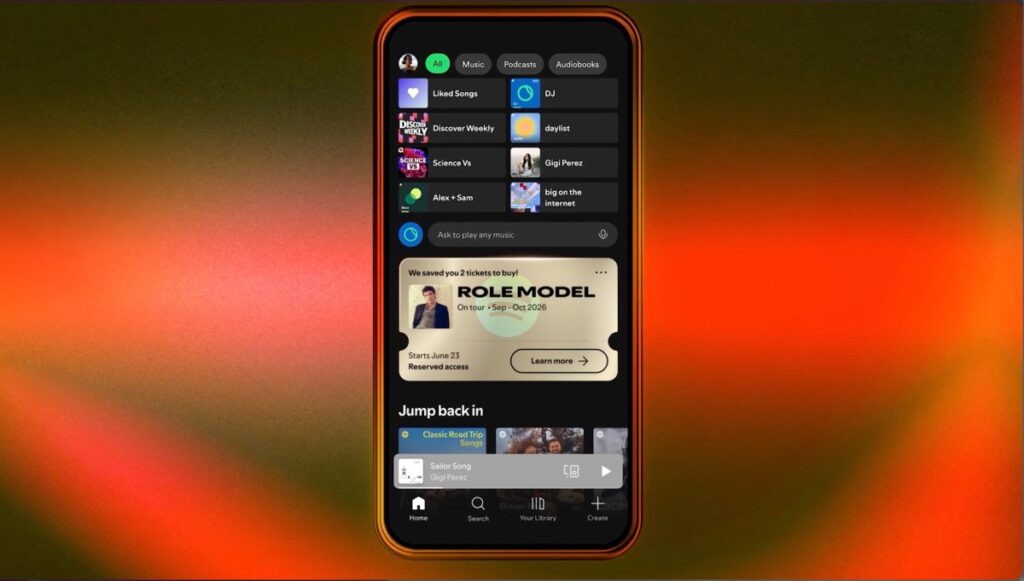
Table of Contents
A New Strategy Against the Bot Economy
Spotify is attempting to solve one of the most persistent frustrations in the live music industry: the immediate disappearance of tour tickets into the hands of automated scalper bots. The streaming giant has officially launched Reserved by Spotify, a targeted ticketing system designed to bypass the chaos of general on-sales by reserving seats for a user’s most dedicated listeners.
The mechanism is straightforward in theory but complex in execution. Spotify will identify “eligible top fans” based on their streaming habits and interaction with an artist’s catalog. Once identified, these users are granted a window—typically around 24 hours—to purchase up to two tickets before the general public sale begins. This move represents a strategic shift for Spotify, transitioning from a platform that simply distributes music to one that actively manages the bridge between digital consumption and physical attendance.
The Logic of the ‘Superfan’ Algorithm
The core of the ‘Reserved’ system is a proprietary weighting of user data. While Spotify has not disclosed the exact formula, the company indicated that it looks at signals including streams, shares, and general engagement. Crucially, the platform is attempting to prevent the ‘gaming’ of this system. In an era where AI agents and bot farms can simulate thousands of hours of listening to inflate popularity, Spotify claims it will monitor for abnormal activity.
According to the company, simply leaving an artist’s discography on loop in the background will not trigger eligibility. The system is designed to distinguish between a genuine fan and a scripted bot, looking for organic engagement patterns. Furthermore, the system incorporates geospatial data, ensuring that ticket offers are routed to users actually located near the tour dates to prevent remote speculators from claiming the reserved slots.
The Live Nation and Ticketmaster Pipeline
Currently, the ‘Reserved’ rollout is narrow in scope. The feature is available exclusively to Spotify Premium subscribers (ages 18+) in the United States, and it is limited to artists performing at Live Nation concerts, with transactions processed through Ticketmaster. The first artist to pilot the program is Role Model, who is using the system to coordinate ticket access for his upcoming 17-city U.S. tour.
By integrating directly with Ticketmaster, Spotify eliminates the friction of external presale codes, which are often leaked or sold. Instead, eligible fans receive a personalized notification and an offer directly on their Spotify Home screen. This not only rewards the fan but serves as a powerful retention tool for the Premium subscription tier; the prospect of guaranteed concert access becomes a tangible value-add for a monthly subscription fee.
Market Implications and Limitations
While the move is a win for the ‘superfan,’ it highlights the ongoing struggle of the ticketing ecosystem. Spotify has acknowledged that there will often be more eligible superfans than there are available seats, meaning the ‘Reserved’ status does not guarantee a ticket, but rather a priority window.
From a business perspective, Spotify is notably avoiding the transactional side of the profit margin here, stating that it will not collect fees on these transactions. The goal appears to be ecosystem stickiness rather than immediate revenue. By controlling the access point to the most coveted commodity in music—the front-row seat—Spotify increases its leverage with both artists and promoters.
The company has signaled that it intends to expand the program to international markets and smaller venues over time. However, for now, the success of ‘Reserved’ will depend on whether it can truly outpace the sophisticated bots that currently dominate the Ticketmaster queue.