SpaceX’s Starship V3 Debut Ends in Booster Loss Despite Successful Liftoff
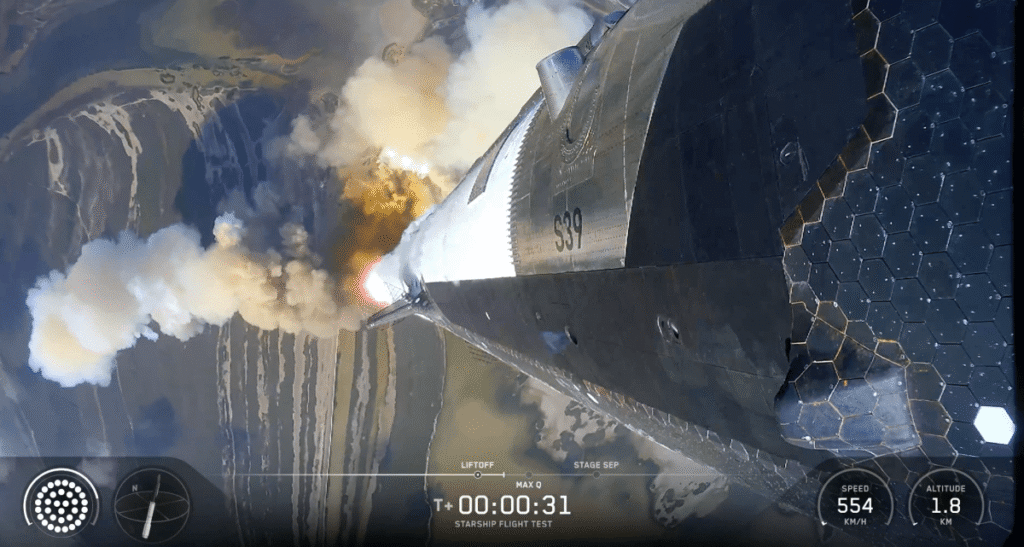
Table of Contents
A Mixed Debut for the Next Generation
SpaceX has officially flight-tested the third iteration of its Starship rocket, marking the first time the V3 hardware has left the pad. While the massive vehicle successfully cleared the tower at Starbase, Texas, the mission fell short of a clean recovery, ending with the loss of the Super Heavy booster during its descent.
The 407-foot rocket—currently the most powerful launch vehicle ever constructed—lifted off at 5:30 p.m. local time. The initial ascent appeared nominal, with the upper stage ship separating from the booster as planned and continuing its trajectory toward space. However, the return trip for the booster did not go according to script.
As the Super Heavy booster pitched away from the ship to begin its journey back toward the Texas coast for a simulated landing in the Gulf of Mexico, the critical re-ignition sequence failed. The engines did not produce the sustained burn required to decelerate the vehicle, causing the booster to tumble into the ocean, where it likely exploded upon impact.
Hardware Hiccups in High Orbit
The issues weren’t limited to the booster. During the ascent, Starship suffered the loss of one of its six Raptor engines. Despite the loss of thrust, the ship maintained enough velocity to continue its flight path toward the Indian Ocean. The vehicle was still in transit at the time of reporting, providing SpaceX engineers with vital telemetry data on how the V3 airframe handles engine-out scenarios.
This mission served as a critical shakedown for the V3 architecture, which has been in development for several months. This version introduces third-generation Raptor engines, designed for higher thrust and a streamlined internal architecture to reduce manufacturing complexity. Furthermore, the flight tested a new launchpad at Starbase, a massive infrastructure project that SpaceX has been refining for years to support higher flight cadences.
The Financial Stakes of Flight Failure
The technical volatility of the test comes at a precarious moment for SpaceX’s corporate structure. The company’s IPO filings became public this week, with a Nasdaq listing expected in mid-June. Reports indicate the offering could raise approximately $75 billion.
For Elon Musk, the timing is strategic. The capital influx is intended to fund the aggressive development of Starship and the company’s burgeoning AI ambitions. More pragmatically, the funds are expected to help service debts linked to xAI and the ongoing financial restructuring of X, the social media platform. This suggests that future Starship tests will be the first to occur under the scrutiny of public shareholders, where a “rapid unscheduled disassembly” could have a direct impact on market valuation.
The Path to Mars and Profitability
While the vision of making humanity multi-planetary remains the long-term goal, the immediate pressure on Starship is economic. Starship is the linchpin for NASA’s Artemis lunar missions, but its more pressing commercial task is the deployment of next-generation Starlink satellites. Because Starlink currently represents the only profitable arm of SpaceX’s business, the ability to launch larger, more capable satellites in bulk is essential for the company’s bottom line.
This flight was the first Starship attempt since October 2025. The road to this launch was fraught with delays, including a November explosion during a booster test and a most recent scrub on Thursday due to a hydraulic pin on the launch tower arm that refused to retract. While the loss of the booster is a setback, the data harvested from the V3’s first flight will likely dictate the design tweaks for the next series of prototypes.