SpaceX’s Starship V3 Debut Ends in Booster Failure Amidst IPO Fever
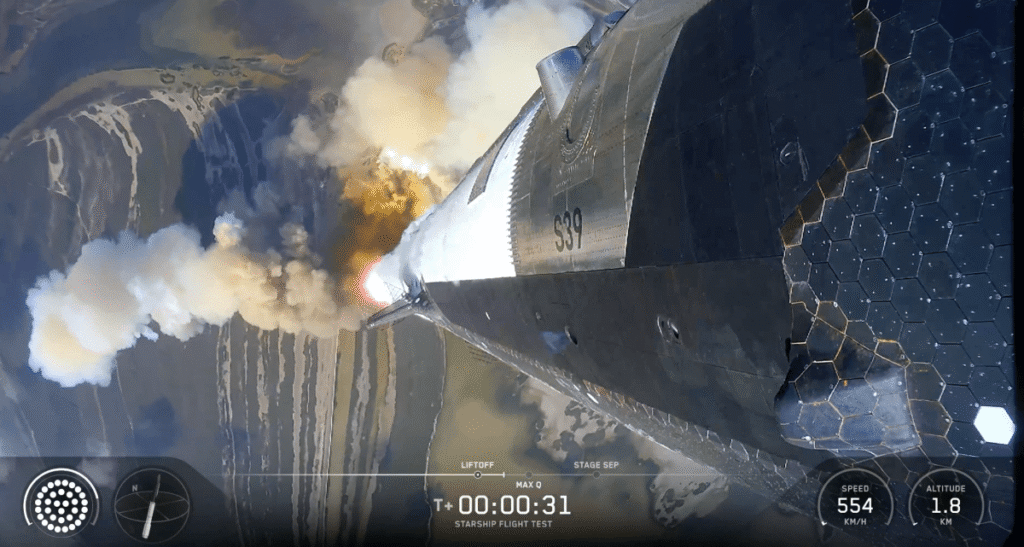
Table of Contents
A Mixed Debut for V3 Hardware
SpaceX has officially flight-tested the third iteration of its Starship launch system, a mission that provided a critical first look at the upgraded V3 hardware but ended with the loss of the Super Heavy booster. The 407-foot vehicle—the most powerful launch system ever constructed—lifted off from the company’s Starbase facility in Texas at 5:30 p.m. local time, marking the first operational flight of the V3 architecture.
The ascent phase largely validated the updated design. After the upper stage ship separated from the booster and continued its trajectory into space, the Super Heavy booster began its return sequence toward the Gulf of Mexico. However, the mission hit a snag during the critical landing burn. According to telemetry and flight footage, the booster’s engines failed to properly re-ignite for the sustained burn required to stabilize the vehicle for its simulated landing. This failure caused the booster to tumble, resulting in a likely explosion upon impact with the water.
The Starship upper stage fared slightly better, despite a technical hiccup during ascent. The vehicle lost one of its six Raptor engines mid-flight, yet maintained enough thrust to achieve its primary objectives. It successfully deployed 20 Starlink satellite simulators and two modified Starlink satellites designed to capture external imagery of the ship’s performance in vacuum. The mission concluded roughly one hour after liftoff when Starship performed a simulated landing in the Indian Ocean, ending in a planned explosion.
Technical Shifts: The V3 Architecture
The move to V3 represents more than just a numerical increment. The centerpiece of this upgrade is the third-generation Raptor engine, which features a simplified design and increased thrust compared to its predecessors. This iteration is engineered to support faster takeoff velocities and is specifically optimized for the ‘catch’ mechanism at the Starbase launch tower—a high-stakes maneuver SpaceX has been refining to eliminate the need for traditional landing legs.
This flight also served as a shakedown for the newly developed launchpad at Starbase. The infrastructure has undergone years of construction to handle the increased acoustic and thermal loads of the V3 system. The launch followed a series of delays, including a Thursday scrub caused by a hydraulic pin on the launch tower arm that refused to retract, as noted by Elon Musk.
The Financial Backdrop: A $75 Billion IPO
The timing of this test is particularly sensitive. SpaceX is currently navigating a massive transition from a private entity to a public company. With IPO filings recently made public, the company is expected to list on the Nasdaq in mid-June. Analysts suggest the offering could raise approximately $75 billion.
While Starship is the centerpiece of Musk’s vision for a multi-planetary species, the financial reality of the company is more grounded. Starlink remains the primary engine of profitability for SpaceX, and the ability of Starship to deploy larger, more advanced satellite constellations is the most immediate commercial priority. Market observers note that the capital raised from the IPO is slated not only for Mars and Moon missions but also to support the computationally expensive AI ambitions of xAI and to alleviate debt associated with Musk’s ownership of X.
This marks a shift in how SpaceX tests its hardware. Until now, failures were largely internal concerns or enthusiast-tracked events. Moving forward, the volatility of Starship’s development cycle will likely be reflected in the real-time fluctuations of SpaceX’s stock price, adding a new layer of pressure to the ‘fail fast, learn fast’ philosophy that has defined the company’s engineering culture.