SpaceX Debuts Starship V3 with Mixed Results as Booster Fails Return Burn
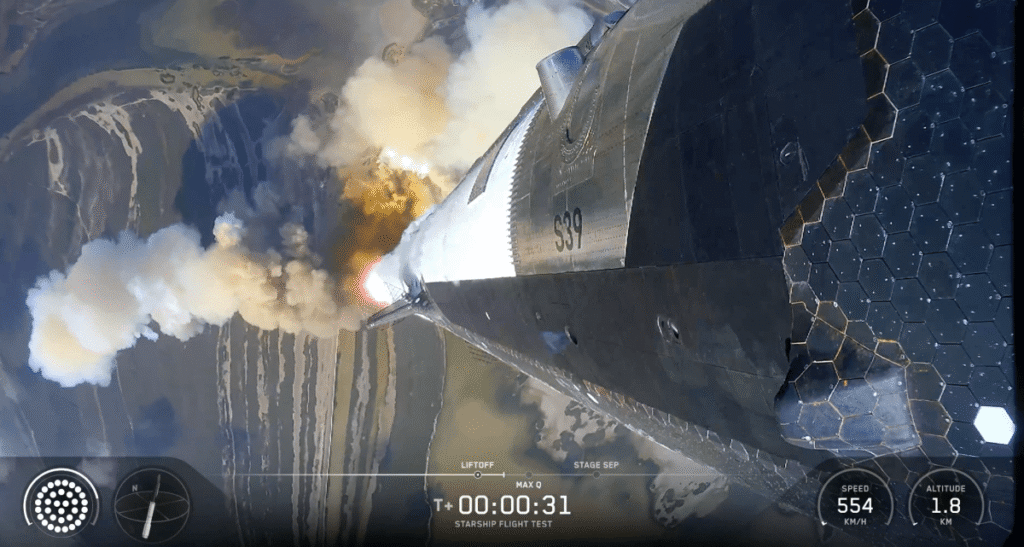
Table of Contents
A High-Stakes Shakedown at Starbase
SpaceX has officially flight-tested the third iteration of its Starship launch system, marking the debut of the V3 hardware. While the mission achieved several primary objectives, it ended with the loss of the Super Heavy booster after a critical failure during its descent toward the Gulf of Mexico.
The 407-foot vehicle lifted off from Starbase, Texas, at 5:30 p.m. local time. The ascent was largely nominal, with the upper stage separating from the booster as planned. However, the mission’s flawless start was marred by a hardware anomaly during the climb: Starship lost one of its six Raptor engines mid-flight. Despite the loss of thrust, the vehicle maintained its trajectory and successfully deployed 20 Starlink satellite simulators alongside two modified satellites designed to capture high-resolution exterior footage of the ship’s performance in vacuum.
The Booster Failure
The most significant setback occurred during the booster’s return sequence. After pitching away from the ship, the Super Heavy booster attempted a simulated landing burn in the Gulf of Mexico. However, the engines failed to re-ignite for the sustained burn necessary to stabilize the craft for a controlled descent. Without the required thrust, the booster entered a tumble, resulting in a high-velocity impact and subsequent explosion upon hitting the water.
This failure highlights the ongoing volatility of the V3 architecture. This version of the rocket features third-generation Raptor engines, which SpaceX claims offer increased thrust and a streamlined design intended to simplify manufacturing and reuse. The booster was specifically engineered for faster ascent and more precise ‘catching’ by the launch tower’s mechanical arms—a feat SpaceX is still perfecting.
Timing the Public Markets
The technical volatility of the Starship program now arrives at a precarious moment for Elon Musk’s corporate empire. SpaceX’s IPO filings were made public this week, with the company expected to list on the Nasdaq in mid-June. The offering is reportedly targeting a valuation that could raise approximately $75 billion.
Industry analysts suggest this capital injection is not merely for rocket development. SpaceX intends to use the proceeds to accelerate its AI ambitions and potentially offset debts tied to xAI and X (formerly Twitter). For the first time, Starship’s success or failure will be measured not just by engineering milestones, but by the immediate reaction of public equity markets. This launch serves as a stark reminder that while SpaceX moves fast, the margin for error is slim when dealing with the most powerful launch vehicle ever constructed.
Operational Hurdles and Logistics
The flight was the first since October 2025 and followed a series of delays. Musk previously noted that a hydraulic pin on the launch tower arm had failed to retract, forcing a postponement from a planned Thursday launch. Furthermore, the program has been plagued by ground-test anomalies, including a booster explosion during testing back in November.
Beyond the spectacle of the flight, this mission served as a critical test for the new launchpad at Starbase. The facility, which has been under construction for several years, is designed to handle the immense thermal and acoustic loads of the V3 hardware. While the pad held up, the loss of the booster means SpaceX must now analyze telemetry to determine if the ignition failure was a software glitch or a fundamental flaw in the Gen-3 Raptor’s restart capability.
The mission concluded roughly one hour after liftoff when Starship performed a simulated landing in the Indian Ocean. As is typical for these early-stage tests, the ship tipped over and exploded upon impact, providing the final data set for the V3’s first outing.


