Sega Taps RGG Studio to Pivot Virtua Fighter Into a Cinematic Narrative Experience
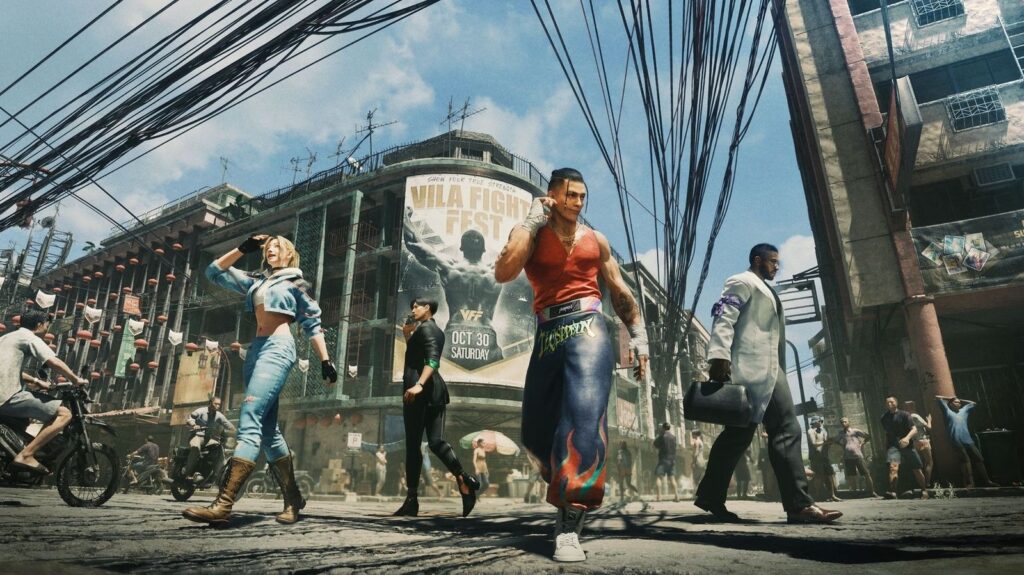
Table of Contents
A Strategic Shift in Fighting Game Philosophy
Sega is betting that the future of its most storied fighting franchise isn’t found in a traditional arcade-style sequel, but in the intersection of technical combat and deep, cinematic storytelling. At Summer Game Fest 2026, the company unveiled Virtua Fighter Crossroads, a project that marks a significant departure for the series by placing development in the hands of RGG Studio—the team behind the sprawling, narrative-heavy Like a Dragon (Yakuza) series.
For years, Virtua Fighter has occupied a specific, somewhat isolated niche: it is the “purist’s” fighting game, revered for its physics and precision but often criticized for its steep learning curve and lack of the melodramatic plotlines that fuel rivals like Tekken or Street Fighter. By assigning the project to RGG Studio, Sega isn’t just aiming for a polish; they are attempting to bridge the gap between high-skill fighting mechanics and the character-driven engagement that has made RGG’s other titles global hits.
Beyond the Sandbox: The Vilasapara Setting
Set in the fictional city of Vilasapara in Southeast Asia, Crossroads is not a reboot, but rather a narrative expansion. While the game introduces four new protagonists, it strategically integrates the “old guard” of the Virtua Fighter universe. The recent reveal trailer highlighted a brief but impactful appearance by Pai Chan, who serves as a mentor figure to the newcomer, Cielo. The fact that many viewers and critics missed the significance of her appearance underscores precisely why Sega is making this move: the brand’s legacy is potent, but its current reach is limited.
Unlike the dense, open-world sandboxes typical of RGG Studio’s previous work, Crossroads focuses on a more curated narrative experience. According to producer Riichiro Yamada, the game centers on four protagonists, each tethered to a specific thematic element that dictates the tone of their respective arcs. Yamada specifically noted a move toward a “film noir” aesthetic for one character, contrasting sharply with the more traditional “young fighter in over his head” archetype embodied by Cielo.
The gameplay loop reflects this shift. Players will guide characters from humble beginnings, growing in skill rather than starting as masters. The experience transitions seamlessly from a third-person, behind-the-shoulder perspective during exploration and dialogue to the traditional side-on view when combat ignites. This structure allows for a more grounded approach to the world, with activities like managing a restaurant serving as narrative beats rather than just quirky side-content.
Overhauling the Combat Engine
While the story is the new focal point, Sega is not ignoring the core fighting community. A dedicated one-on-one fighting mode is included, but it comes with systemic changes designed to modernize the experience. The most notable is the introduction of a damage accumulation system. Unlike traditional health bars, sustained strikes to specific body parts—such as the legs—will have lasting effects on a fighter’s mobility and performance throughout the duration of the match.
Additionally, the role of stun attacks has been amplified to reduce the reliance on the long, complex combos that historically made the series inaccessible to newcomers. While the basic input scheme remains lean—punch, kick, and defend—the goal is to use the single-player campaign as a comprehensive tutorial. Yamada believes the narrative mode will organically teach players the intricacies of Virtua Fighter, lowering the barrier to entry for the competitive mode.
The ambition of Virtua Fighter Crossroads is clear: it wants to transform a technical relic into a modern, emotionally resonant IP. Whether the purists will accept these concessions for the sake of a broader audience remains to be seen, but the move signals a broader trend at Sega to prioritize narrative-driven ecosystems over isolated genre experiences.
Virtua Fighter Crossroads is scheduled for release in 2027.