Samsung Pushes Pixel Density with New 6K Odyssey G8 and Thunderbolt 5 Integration
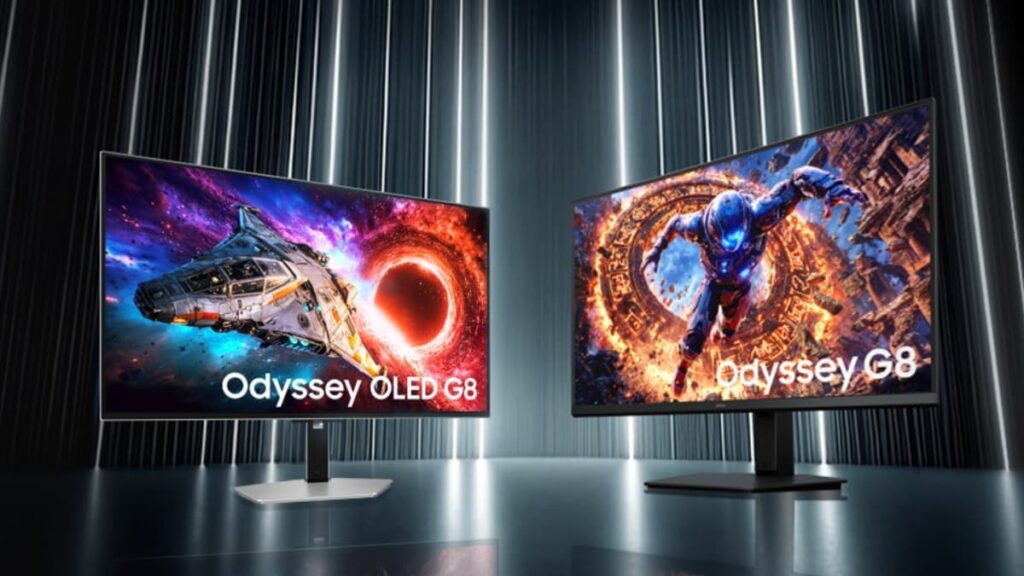
Table of Contents
A Shift Toward Extreme Resolution
Samsung is pivoting its 2026 gaming strategy toward higher pixel density and next-generation connectivity. The centerpiece of the new rollout is the Odyssey G8 (LS32HG806), a 6K display that attempts to bridge the gap between ultra-high-definition productivity and high-refresh gaming. While 4K has remained the gold standard for enthusiast setups, the move to 6K suggests Samsung is targeting a demographic that demands more screen real estate without sacrificing the fluidity required for competitive play.
The G80HS variant delivers a 165Hz refresh rate, a technical balance that allows for crisp visuals while remaining within the bandwidth capabilities of modern GPUs. This is a significant step up from traditional 4K panels, offering substantially more clarity for creators who game on the side. The pricing in South Korea, where the unit is listed at KRW 1,757,700 (approximately $1,300), places it firmly in the luxury enthusiast bracket.
The OLED Tier and the 5K Alternative
Not every user needs 6K, and Samsung is diversifying the G8 and G7 lines to accommodate different performance profiles. For those prioritizing speed over absolute resolution, the Odyssey OLED G8 (LS32HG802S) retains a 4K resolution but pushes the refresh rate to 240Hz. This is specifically aimed at the eSports crowd where response times are more critical than pixel count.
Interestingly, Samsung has introduced a 5K alternative in the G80HF (LS27HG806), priced at KRW 1,130,000. This 27-inch panel hits 180Hz, offering a compelling middle ground for users who find 4K too blurry at smaller sizes but cannot justify the hardware requirements of 6K. This tiered approach—5K, 6K, and 4K OLED—indicates that Samsung is no longer treating “high resolution” as a single category, but rather a spectrum of needs.
Infrastructure Upgrades: DisplayPort 2.1 and Thunderbolt 5
Beyond the panels themselves, the 2026 lineup addresses a long-standing bottleneck in high-end displays: bandwidth. The integration of DisplayPort 2.1 is a critical upgrade. As resolutions climb toward 6K and refresh rates stay high, the older DP 1.4a standard often required Display Stream Compression (DSC) that could occasionally introduce artifacts or compatibility issues. DP 2.1 allows for a much higher raw data throughput, essential for driving these new panels without compromise.
The inclusion of Thunderbolt 5 support in the professional-grade ViewFinity S8 models is equally noteworthy. Thunderbolt 5 promises to double the bandwidth of its predecessor, allowing for a single-cable solution that can handle dual 4K displays or a single 8K stream while simultaneously transferring data at blistering speeds. For the professional user, this means a cleaner desk and a more robust link between their workstation and the S8’s color-accurate panel.
Competitive Positioning
By launching the Odyssey OLED G7 (LS32HG732S) at 4K 165Hz for KRW 1,292,000, Samsung is clearly attempting to undercut the premium pricing of competitors like LG and ASUS while maintaining a high spec floor. The “Dual Mode” display option—allowing users to toggle between different resolution/refresh rate profiles—further emphasizes the versatility of these screens.
The ViewFinity S8 updates ensure that Samsung doesn’t lose ground in the productivity space. While the Odyssey line chases the gaming market, the S8 remains the anchor for designers and engineers, now bolstered by the connectivity leaps provided by the 2026 hardware refresh.


