Samsung Galaxy Watch Ultra 2 Leaks: 800mAh Battery and New Hardware Push Wear OS Boundaries
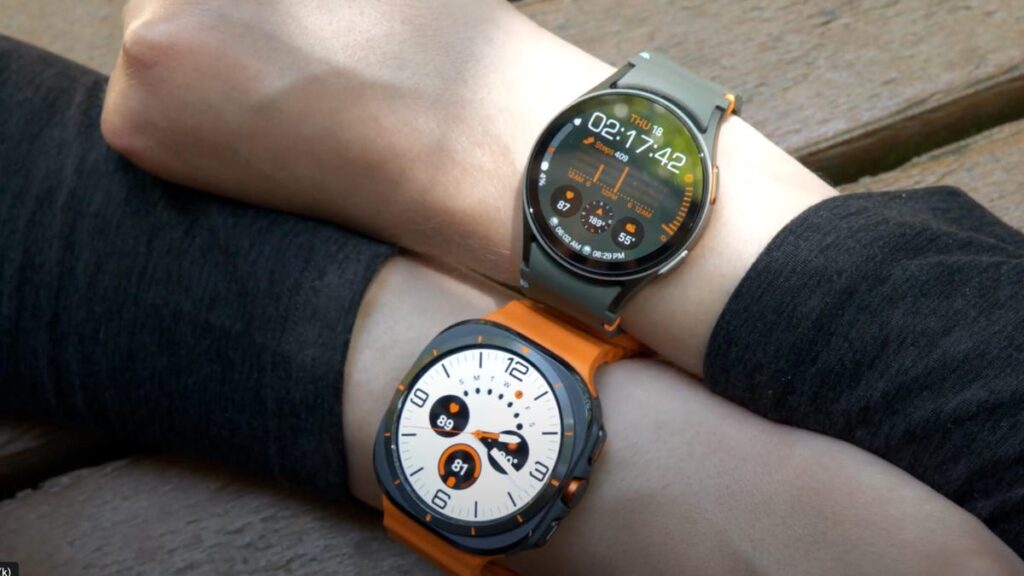
Table of Contents
A Shift in Wearable Endurance
The perennial struggle of the Wear OS ecosystem has always been the trade-off between high-functionality displays and multi-day battery life. While Garmin and Whoop have dominated the endurance category by utilizing low-power screens or removing them entirely, Samsung appears to be attempting a frontal assault on this limitation. Recent regulatory filings and supply chain leaks suggest the upcoming Galaxy Watch Ultra 2 is designed specifically to break the two-day ceiling that has long frustrated power users.
- Battery Leap: Leaks suggest an 800mAh cell in the Ultra 2, a roughly 30% increase over the previous generation.
- Certification Signals: Chinese 3C filings confirm two new models are entering the final stages of regulatory approval.
- Efficiency Gains: The integration of the Snapdragon Wear Elite processor may push real-world usage toward the three-day mark.
- AI Integration: Samsung is shifting from biometric data collection to AI-driven health analysis via new Samsung Health metrics.
The most concrete evidence currently available comes from a Chinese 3C regulatory filing, first identified by Jeff Springer at SammyGuru. While these filings are often sparse on detailed specs, they serve as a critical milestone in a product’s lifecycle. The appearance of two distinct models—corresponding to the standard Galaxy Watch 9 and the rugged Ultra 2—indicates that the hardware is finalized and moving toward a summer launch window.
The filing specifically notes support for 10-watt charging. While this is identical to the previous generation, it suggests that Samsung is prioritizing battery capacity and stability over raw charging speed, a common strategy in ruggedized electronics where heat management is critical.
The 800mAh Gamble: Redefining Wear OS Longevity
For the technical user, the most significant data point is the rumored battery capacity. According to reports from SamMobile and 9to5Google, the Galaxy Watch Ultra 2 may house a battery with a rated capacity of 784 mAh, which Samsung will likely market as 800 mAh. To put this in perspective, the first-generation Galaxy Watch Ultra utilized a 590-mAh battery. A jump to 800 mAh represents a substantial increase in energy density that could fundamentally change how users interact with the device.
Comparative Battery Analysis
When comparing the leaked Ultra 2 specs to the rest of the Wear OS landscape, the gap becomes evident. Most standard smartwatches, including the Google Pixel Watch series, hover around the 300-400mAh range, often struggling to survive 24 hours with Always-On Display (AOD) enabled. The OnePlus Watch 3 has pushed the boundaries of the ecosystem, but an 800mAh cell would establish the Ultra 2 as the undisputed battery leader in the Android wearable space.
| Model | Estimated Battery Capacity | Estimated Real-World Life |
|---|---|---|
| Galaxy Watch 9 (40mm) | 382 mAh (Leaked) | 1.5 – 2 Days |
| Galaxy Watch Ultra (Gen 1) | 590 mAh | 2 – 2.5 Days |
| Galaxy Watch Ultra 2 (Leaked) | ~800 mAh | 3+ Days |
| Pixel Watch 3 | ~300-400 mAh | 24 – 36 Hours |
However, capacity is only half the equation. The Snapdragon Wear Elite processor is rumored to be the brain of this operation. By moving to a more efficient architecture, Samsung can reduce the power draw of background processes, meaning the 30% increase in battery size could result in a disproportionately larger increase in actual runtime.
Beyond the Battery: AI and Metabolic Health
Samsung is clearly moving away from the “digital wrist-companion” model and toward a “clinical health monitor” identity. The previous introduction of the Antioxidant Index—which uses skin-surface signals to gauge nutritional status—was a glimpse into this direction. With the Ultra 2, the industry expects a deeper dive into metabolic tracking.
The Pursuit of Non-Invasive Glucose Monitoring
While Samsung has not officially confirmed it, the trajectory of their health sensors points toward the “holy grail” of wearables: non-invasive glucose monitoring. Even if the Ultra 2 doesn’t launch with full glucose tracking, the upgraded sensor array is likely designed to provide better precursors—such as refined blood oxygen (SpO2) and advanced heart rate variability (HRV) data—that feed into a larger metabolic picture.
This hardware upgrade coincides with a software pivot. Samsung’s recent previews of the Vitals and Heart Health Score features indicate that the company wants to move from reporting data to interpreting it. Instead of simply telling a user their sleep was “Fair,” the AI integration aims to provide a Fitness Index and Daily Cardio Load, effectively acting as a digital coach that suggests recovery or intensity based on the user’s physiological state.
Design Considerations: Will the Rotating Bezel Return?
The design of the Galaxy Watch Ultra has been a point of contention among enthusiasts. At 47mm, the device is imposing, often feeling bulky on smaller wrists. There is significant speculation regarding whether Samsung will integrate a physical rotating bezel—a hallmark of the Galaxy Watch Classic line—into the Ultra 2’s rugged chassis.
From a practical standpoint, a rotating bezel is an excellent tool for navigating menus while wearing gloves or during high-intensity activity, making it a natural fit for a “rugged” watch. However, adding a mechanical bezel to a device meant to withstand extreme depths and impacts introduces new failure points for water ingress and debris. If Samsung manages to marry the Classic’s utility with the Ultra’s durability, it would remove one of the primary complaints from the current generation of users.
What This Means for the Consumer
For the average user, these leaks suggest a shift in value proposition. If the Galaxy Watch Ultra 2 successfully hits the three-day battery mark, it eliminates the “charging anxiety” that prevents many from using advanced sleep tracking or overnight recovery metrics. It transforms the device from a gadget that needs daily attention into a tool that fits into a weekly routine.
For athletes and outdoor enthusiasts, the combination of the Snapdragon Wear Elite and the 800mAh battery means less reliance on a paired smartphone during long excursions. The potential for satellite connectivity—though still speculative—would further push the Ultra 2 into the territory currently occupied by the Apple Watch Ultra 2 and high-end Garmin Fenix models.
FAQ: Samsung Galaxy Watch Ultra 2 and Watch 9
When is the Galaxy Watch Ultra 2 release date?
While Samsung has not officially announced a date, 3C regulatory filings typically occur shortly before a product launch. Historically, Samsung debuts its wearables in the summer, suggesting a reveal at the next Galaxy Unpacked event, likely in July or August 2026.
Will the Galaxy Watch Ultra 2 have a rotating bezel?
There are no official confirmations, but there is strong community demand for it. Integrating the rotating bezel from the Classic line would be a logical step for the Ultra’s rugged interface, though it remains an unconfirmed rumor.
How much better is the battery life on the Ultra 2?
Leaks suggest a jump from 590mAh to roughly 800mAh. Combined with the more efficient Snapdragon Wear Elite chip, users may see an increase from the current 2-2.5 day average to over 3 days of real-world use.
Does the Galaxy Watch Ultra 2 support glucose monitoring?
Non-invasive glucose monitoring is a long-term goal for Samsung. While the new sensors may bring the company closer to this capability, it is unlikely to be a fully medical-grade feature at launch due to regulatory hurdles.
What is the difference between the Galaxy Watch 9 and Ultra 2?
The Galaxy Watch 9 is designed as the mainstream, everyday wearable with a focus on aesthetics and basic health tracking. The Ultra 2 is a ruggedized flagship with a significantly larger battery, more durable materials, and enhanced sensors for extreme environments and professional athletics.