Samsung Galaxy Tab Active 6: Leaked Timeline and the Shift Toward Rugged 5G Enterprise Tablets
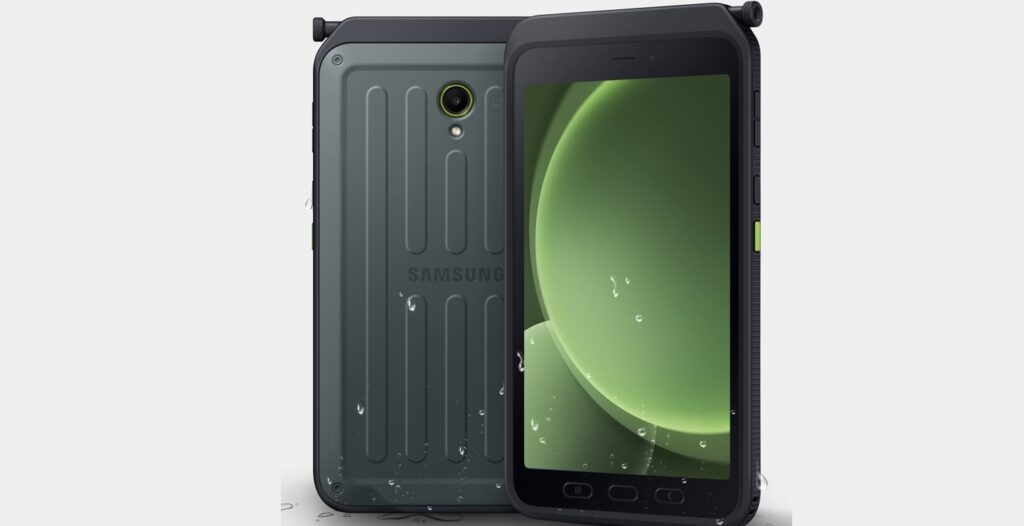
Table of Contents
The Emergence of the Galaxy Tab Active 6
In the specialized world of enterprise hardware, reliability outweighs aesthetic slimness. While the consumer market chases bezel-less displays and foldable glass, a critical segment of the workforce—field engineers, emergency responders, and logistics managers—relies on devices that can survive a three-foot drop onto concrete. Samsung has long dominated this niche with its Tab Active series. Now, early indications suggest that the next iteration, the Samsung Galaxy Tab Active 6, is already being mapped out in the company’s long-term hardware cycle.
Recent reports from SamMobile have surfaced a specific model number, SM-X316B, associated with the global variant of the upcoming device. While Samsung typically maintains a tight veil of secrecy regarding its rugged lineup, the appearance of model numbers in regulatory or internal databases often signals the transition from conceptual design to early-stage prototyping. According to these leaks, the device is eyeing a release window in early 2027.
- Estimated Launch: Early 2027, following Samsung’s typical multi-year rugged refresh cycle.
- Connectivity: Native 5G integration is expected as a baseline for the SM-X316B variant.
- Software Baseline: Likely to debut with Android 17 and One UI 9, providing a long-term support window.
- Target Market: B2B sectors requiring MIL-STD-810H durability and IP68 ingress protection.
Analyzing the Lifecycle: Why a 2027 Release?
To the average consumer, a 2027 launch date for a device being discussed in 2024 seems glacial. However, rugged hardware operates on a fundamentally different lifecycle than the Galaxy S-series smartphones. Enterprise clients—such as municipal governments or oil and gas companies—do not upgrade their fleet every 12 months. They require hardware stability, long-term parts availability, and software support that spans five to seven years.
The Galaxy Tab Active 5, launched in 2024, set a high bar with its 8-inch form factor and specialized “No Battery Mode,” which allows the device to run directly on AC power to prevent battery degradation in 24/7 kiosk environments. By spacing the Active 6 launch toward 2027, Samsung ensures that the leap in processing power and connectivity (specifically the transition to more efficient 5G bands) justifies the procurement cost for large-scale corporate deployments.
The Technical Foundation: What the SM-X316B Tells Us
The leaked model number SM-X316B provides a clue into the device’s positioning. In Samsung’s nomenclature, the ‘B’ often denotes a global or international variant. The focus here is not just on a faster processor, but on global 5G connectivity. For a field technician in rural Texas or a warehouse manager in Germany, 5G isn’t about streaming 4K video; it’s about low-latency access to cloud-based blueprints, real-time IoT sensor data, and seamless VoIP communication.
Durability Expectations
While official specs are unavailable, the Tab Active 6 must adhere to the strict standards established by its predecessor. We expect it to maintain the MIL-STD-810H military-grade certification, which tests for shocks, vibration, and extreme temperatures. Coupled with an IP68 rating, the device will need to be completely dust-tight and capable of withstanding immersion in water. For the Active 6, the challenge will be maintaining this ruggedness while potentially increasing the screen size or improving the thermal dissipation of a more powerful 5G modem.
Software Evolution and Android 17
Given the early 2027 timeline, the Samsung Galaxy Tab Active 6 will likely ship with Android 17 and One UI 9. This is a significant detail for IT administrators. Newer versions of Android have introduced more robust “Enterprise Recommended” features, including enhanced Knox security layers and better support for Zero-Touch enrollment. The integration of AI-driven predictive maintenance tools within One UI 9 could allow the tablet to alert users to hardware degradation before a failure occurs in the field.
What This Means for the Rugged Tablet Market
The move toward the Tab Active 6 signals Samsung’s commitment to the 8-to-11 inch “handheld-yet-capable” segment. Many enterprises are moving away from bulky 12-inch laptops in favor of rugged tablets paired with magnetic keyboards. By ensuring 5G is central to the Active 6, Samsung is positioning the device as a primary gateway for the “Industrial Internet of Things” (IIoT).
Practically, this means that by 2027, we will see a shift where the tablet is no longer just a data entry tool, but a real-time diagnostic hub. With 5G, the Tab Active 6 could potentially handle Augmented Reality (AR) overlays for repair instructions without the lag associated with 4G LTE, drastically reducing the mean time to repair (MTTR) in technical environments.
| Feature | Tab Active 5 (Current) | Tab Active 6 (Projected) |
|---|---|---|
| Connectivity | LTE/5G (Select Models) | Advanced 5G Standard |
| OS | Android 13/14 | Android 17 / One UI 9 |
| Durability | MIL-STD-810H / IP68 | MIL-STD-810H / IP68 (Enhanced) |
| Model Number | SM-T540 series | SM-X316B |
Addressing the Speculation: Fact vs. Rumor
It is important to distinguish between leaked identifiers and confirmed specifications. The model number SM-X316B is a factual leak from internal tracking; however, the 2027 date remains an estimation based on previous launch cycles. Samsung has not officially confirmed that the Tab Active 6 will feature a specific processor or battery capacity. However, industry trends suggest that any 2027 device will likely incorporate an Exynos or Snapdragon chipset optimized for efficiency rather than raw peak performance, as thermal throttling is a major concern in sealed, rugged chassis.
The Battery Challenge
The Tab Active 5 utilized a 5,050mAh battery. For the Active 6, the challenge will be balancing the increased power draw of 5G modems with the physical constraints of a rugged shell. We may see Samsung implement a larger cell or faster charging protocols to compensate for the energy-intensive nature of 5G connectivity in remote areas where signal searching drains batteries quickly.
Frequently Asked Questions
When will the Samsung Galaxy Tab Active 6 be released?
Based on current leaks and SamMobile reporting, the Galaxy Tab Active 6 is expected to launch in early 2027. This follows Samsung’s typical cycle for rugged enterprise hardware, which is longer than their consumer flagship cycles.
Will the Tab Active 6 have 5G?
Yes, leaks regarding the SM-X316B model strongly indicate that 5G connectivity will be a core feature of the device, enabling better cloud integration for field workers.
What is the difference between the Tab Active and the standard Galaxy Tab?
The Tab Active series is specifically engineered for harsh environments. It features MIL-STD-810H certification for drops and vibrations, IP68 water and dust resistance, and often includes a replaceable battery and a programmable “Active Key” for enterprise apps.
Can I use the Tab Active 6 as a permanent kiosk?
While not yet confirmed for the Active 6, the Active 5 featured a “No Battery Mode.” It is highly likely Samsung will carry this feature forward, allowing the tablet to run on external power without a battery to avoid swelling and degradation.
Will it support the S Pen?
Given that rugged tablets are used for signing documents and precise data entry in the field, S Pen support is almost certain to remain a staple of the Active line.
Final Perspective on Rugged Mobility
The prospect of the Samsung Galaxy Tab Active 6 highlights a critical trend in the tech industry: the “ruggedization” of the cloud. As businesses migrate their entire operational workflows to the cloud, the hardware used to access that data in the field can no longer be a weak point. The SM-X316B represents more than just a new tablet; it is a tool designed to ensure that 5G connectivity is accessible even in the most punishing environments on earth. For now, those in need of a rugged solution will find the Tab Active 5 more than capable, but the horizon for 2027 looks promising for the next generation of industrial mobility.