Samsung Accelerates One UI 9 Testing as Android 17 Development Gains Momentum
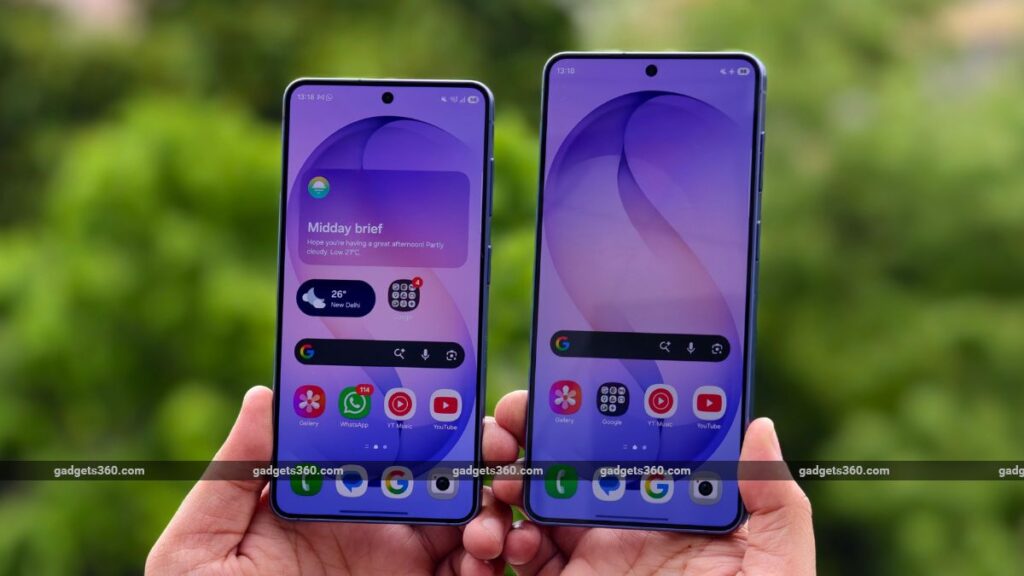
Table of Contents
Internal Testing Scales Up for Samsung’s Next OS Iteration
Samsung is reportedly moving faster than usual with the development of its next software skin. Internal reports indicate that the company has significantly expanded the scope of testing for One UI 9, the proprietary interface that will sit atop Google’s Android 17. While the industry is still largely focused on the current cycle of Android 15 and the upcoming 16, Samsung appears to be stress-testing the next generation of its ecosystem across a wider array of hardware.
According to details surfaced by SammyGuru, the internal beta program is already active for the upcoming Galaxy S26 series. This suggests that Samsung is not merely testing software in isolation but is optimizing One UI 9 specifically for the next generation of Snapdragon and Exynos chipsets that will power the 2026 flagship lineup. The expansion isn’t limited to the S-series; reports suggest that a variety of foldables and high-end tablets are being integrated into the testing pool to ensure stability across disparate screen ratios.
The Shift Toward Refinement Over Redesign
Unlike the transition to One UI 6, which brought sweeping visual changes and a revamped Quick Panel, the shift to One UI 9 is expected to be more surgical. Insiders suggest that Samsung is prioritizing “productivity refinements” over a total visual overhaul. This trend aligns with a broader shift in mobile OS design where the focus has moved from aesthetics to AI integration and system efficiency.
Expect a heavy emphasis on how Galaxy AI interacts with the system level. Rather than adding more standalone apps, Samsung is likely weaving AI deeper into the settings, multitasking menus, and the core file system. For foldable users, this could mean more intelligent window management and improved continuity between the cover screen and the main display—areas where the current One UI 6.1.1 implementation still sees occasional friction.
Alignment With the Foldable Launch Cycle
The timing of the stable rollout is the most critical piece of the puzzle. While Android typically follows a late-summer release schedule from Google, Samsung is reportedly aiming to unveil a stable version of One UI 9 as early as July. This would strategically align the software launch with the debut of the next-generation foldable smartphones, likely the Galaxy Z Fold 7 and Z Flip 7.
By launching the new OS alongside new hardware, Samsung can market the devices as “Android 17 native,” avoiding the fragmented experience where a new device ships with an older OS and requires an immediate day-one update. This aggressive timeline puts pressure on the stability of the current beta, as the gap between internal testing and public release is narrowing.
For the broader Galaxy community, the expansion of this testing is a positive signal. Historically, the wider the internal testing net—covering everything from the budget A-series to the ultra-premium Fold series—the fewer the critical bugs present during the general public rollout. Users can expect a public beta to open in the coming weeks, likely starting with the most recent flagship models before trickling down to older hardware.