Sam Bankman-Fried Formally Seeks Presidential Pardon from Donald Trump
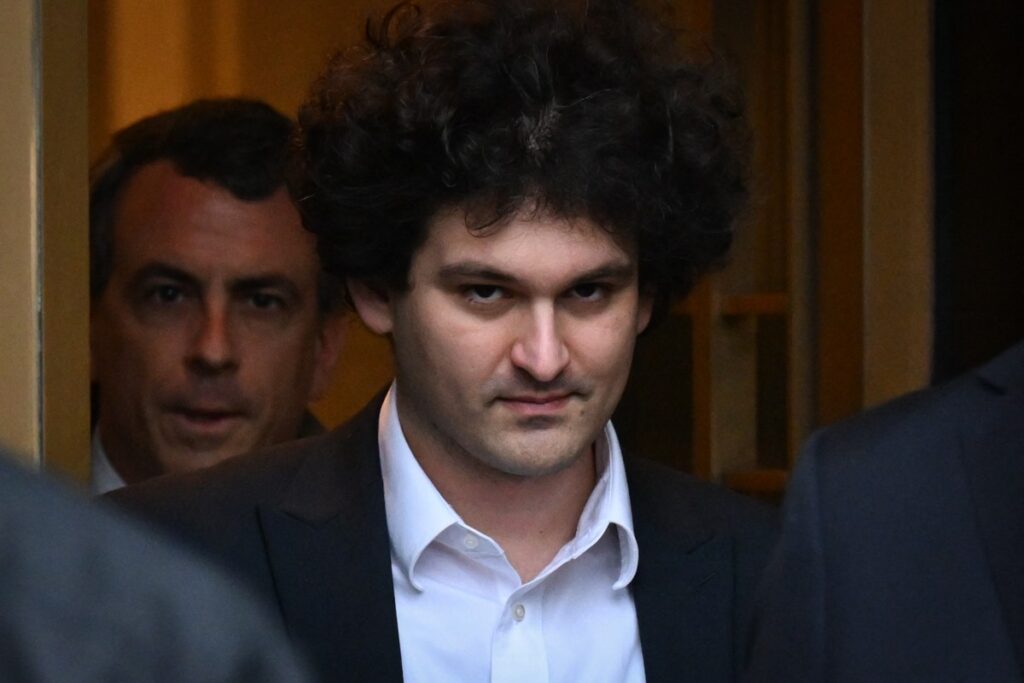
Table of Contents
A Formal Bid for Clemency
Sam Bankman-Fried, the disgraced co-founder of the cryptocurrency exchange FTX, has officially submitted an application for a presidential pardon to Donald Trump. The move, confirmed via the Justice Department’s Pardon Attorney Office website and first reported by Bloomberg News, represents a desperate legal gambit for the man whose collapse of a multi-billion dollar empire triggered a systemic shock across the digital asset industry.
Bankman-Fried is currently serving a 25-year prison sentence following his 2024 conviction on multiple counts of fraud and money laundering. The charges stemmed from the misappropriation of billions of dollars in customer funds, which were diverted from FTX to its sister hedge fund, Alameda Research, to cover losses and fund lavish real estate purchases and political donations.
The Pattern of White-Collar Clemency
While the prospect of a pardon for one of the most high-profile financial criminals of the decade may seem improbable to some, the data from President Trump’s second term suggests a specific openness toward white-collar offenders. An NBC News analysis from January revealed a striking trend: more than half of the individual pardons granted were issued to people convicted of financial crimes, including wire fraud, bank fraud, and money laundering.
This trend places Bankman-Fried in a specific cohort of beneficiaries. While much of the public discourse surrounding Trump’s clemency powers has focused on those involved in the January 6 Capitol riot, the quiet reality of his pardon record shows a consistent pattern of favoring those convicted of complex financial crimes. The legal mechanism for these pardons varies; some are the result of rigorous applications through the Justice Department, while others have been granted spontaneously, often to individuals with deep ties to the administration’s political network.
The Politics of the Pardon
The timing and method of Bankman-Fried’s application are particularly notable. According to Bloomberg, a significant number of Trump’s previous pardons were granted to major political donors who bypassed the formal Department of Justice process entirely. Bankman-Fried, however, has chosen the official route, filing through the Pardon Attorney’s Office—a process that typically involves a lengthy review by career prosecutors before a recommendation ever reaches the Oval Office.
This choice of path may be an attempt to project a sense of procedural legitimacy or a reflection of the lack of direct, current access to the President that some other white-collar beneficiaries enjoyed. During the height of FTX’s influence, Bankman-Fried was one of the largest donors to various political causes, though his contributions were largely directed toward Democratic candidates, complicating the political calculus for a Trump pardon.
A Systemic Failure and the Quest for Forgiveness
For the millions of creditors and users still navigating the wreckage of the FTX bankruptcy, the idea of a pardon is an affront to the concept of restitution. The collapse of the exchange wasn’t just a corporate failure but a catastrophic breach of trust that erased billions in retail wealth. The Justice Department’s pursuit of Bankman-Fried was designed to send a clear signal to the burgeoning crypto industry that the absence of clear regulatory frameworks does not grant a license for old-fashioned embezzlement.
Whether this application will be viewed as a legitimate plea for mercy or a political liability remains to be seen. In the high-stakes intersection of cryptocurrency, federal law, and presidential power, Bankman-Fried’s application is the latest attempt to navigate a way out of a sentence that reflects the unprecedented scale of his financial misconduct.