Rare Great White Sighting in the Mediterranean Highlights the Fight Against ‘Ghost Gear’
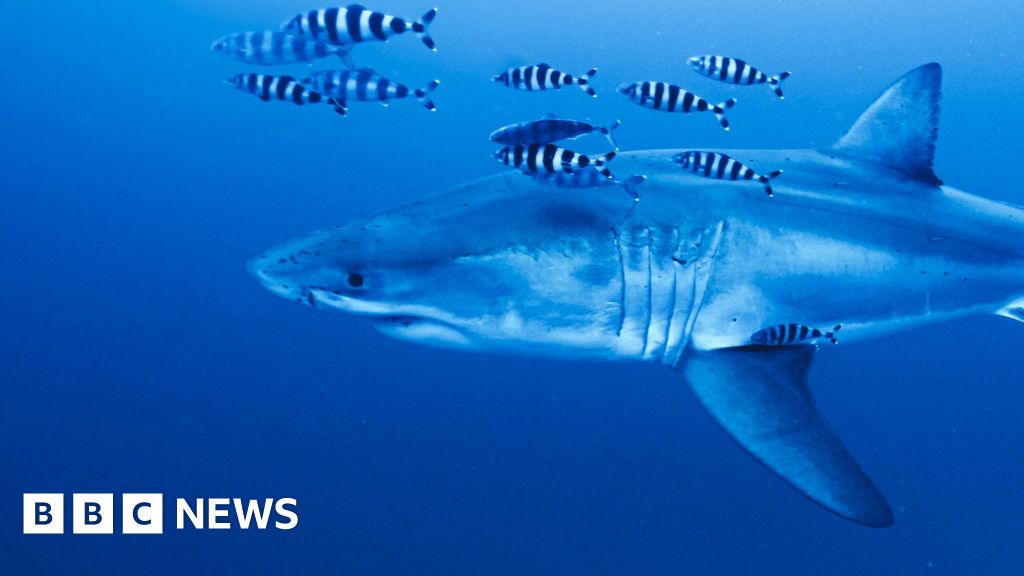
Table of Contents
A Rare Encounter in Deep Waters
In a startling deviation from typical migration patterns, a volunteer diver has captured footage of an adult male Great White shark in the Mediterranean Sea. The encounter, which took place in the open waters between Tunisia and Sicily, represents a rare moment of biological serendipity in a region where the species has been pushed to the brink of local extinction.
Derk Remmers, a volunteer diver working with the non-profit organization Healthy Seas, described the intensity of the moment, noting that the shark approached the team closely enough to cause visible nerves. “The shark was pretty close to us,” Remmers told the BBC, admitting that his fingers were trembling as he struggled to get his camera equipment operational. The footage provides a visceral glimpse of a predator that has become a ghost in these waters.
The Silent Killer: Ghost Fishing Nets
While the shark sighting is the headline, the mission that led to the discovery was focused on a more insidious environmental threat: ghost fishing nets. These abandoned, lost, or discarded fishing gear (ALDFG) act as indiscriminate killing machines, drifting through the Mediterranean currents and trapping everything from sea turtles to apex predators.
Healthy Seas specializes in the recovery of these nets, which are often made of durable plastics that do not biodegrade. When a Great White or other large pelagic species becomes entangled in these synthetic webs, the result is almost always fatal. The presence of a healthy adult male in this specific corridor suggests that despite the proliferation of ghost gear, there are still viable habitats that can support top-tier predators.
The Ecology of Near-Extinction
The Mediterranean is not the natural primary habitat for Great Whites in the same way the Atlantic or Pacific are, but historical data confirms they once thrived here. Decades of aggressive overfishing and habitat degradation have decimated their numbers. For conservationists, this sighting is less about a single animal and more about the potential for recovery.
Scientists have urged the public not to panic over the sighting, emphasizing that the shark was spotted many miles offshore, far from the swimming beaches of Sicily or Tunisia. Instead, the focus is on what this means for regional policy. The encounter serves as a timely piece of evidence for those advocating for the expansion of Marine Protected Areas (MPAs). These zones would limit industrial fishing and the deployment of heavy gear, providing a sanctuary for the few remaining Great Whites and the broader biodiversity of the Mediterranean basin.
Synthesizing a Path Toward Recovery
The intersection of this sighting and the work of Healthy Seas highlights a critical technical challenge in oceanography: the need for better tracking of marine debris to protect migratory corridors. If governments can leverage the public interest generated by such “charismatic megafauna” sightings, there is a window to implement stricter regulations on fishing gear disposal and the creation of permanent biological corridors.
As the Mediterranean continues to struggle with warming temperatures and plastic pollution, the return—or persistence—of the Great White is a reminder that the ecosystem possesses a surprising amount of resilience, provided the human-made obstacles, like ghost nets, are removed from the equation.