Piper Sandler Warns of Prolonged Hormuz Closure as Oil Prices Threaten New Peaks
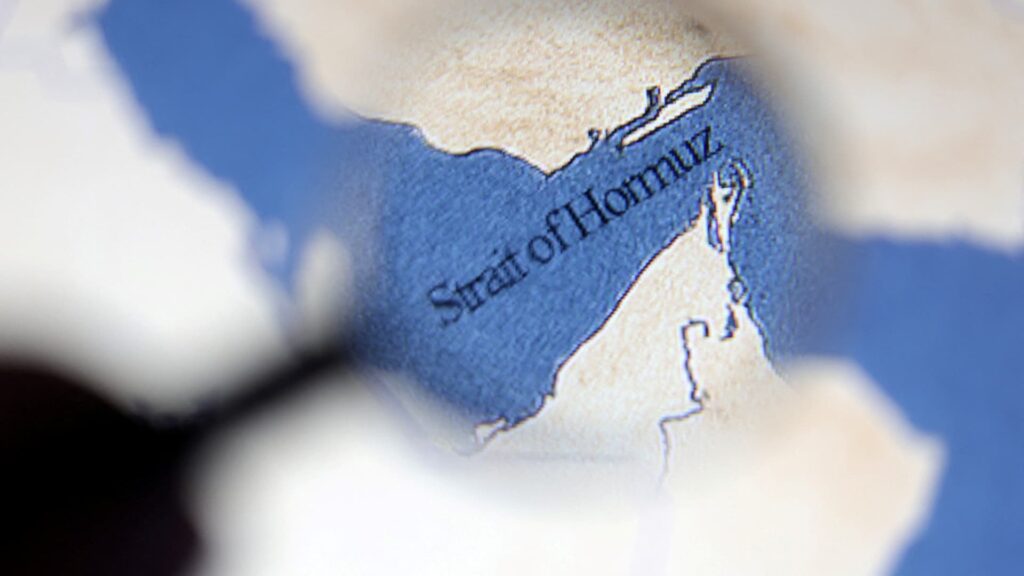
Table of Contents
A Divergence in Diplomatic Optimism
While White House rhetoric suggests a diplomatic breakthrough with Iran is imminent, the financial sector is signaling a far more volatile reality. Piper Sandler, in a recent note to clients, has dismissed the notion that a deal is nearing, instead warning that the Strait of Hormuz—one of the world’s most critical maritime chokepoints—will likely remain largely closed for several months. This persistence of instability, the bank argues, will inevitably push oil prices to new highs throughout the summer.
The tension stems from a conflicting set of narratives. On one side, President Donald Trump stated on Saturday that an agreement with Iran has been “largely negotiated,” with specifics expected to follow shortly. On the other, the ground reality in the Persian Gulf remains fraught. The U.S. military recently confirmed “self-defense strikes” within southern Iran, targeting missile launch sites and vessels tasked with deploying mines around the Strait. These kinetic actions contrast sharply with the diplomatic optimism emanating from Washington.
The Leverage Game in the Gulf
According to the analysis from Piper Sandler’s energy and macro teams, the current deadlock is a result of a strategic calculation by Iranian leadership. The bank argues that Tehran believes it holds significant leverage over the global economy by controlling access to the shipping lane. This belief, the note suggests, makes Iranian officials unwilling to settle for a compromise that doesn’t meet their core demands, thereby extending the closure.
The impact on commercial traffic is already stark. Tracking data reveals that vessel traffic through the narrow passage has plummeted to near zero since the escalation began. Piper Sandler expressed “very little confidence” that commercial throughput would return to even 50% of pre-crisis levels in the immediate future, whether next week or next month. This suggests a systemic disruption rather than a temporary diplomatic hiccup.
Strategic Hesitation and Global Risk
The bank’s reporting highlights a specific paradox in the U.S. response: a reluctance to “press the fight” fully. The analysis posits that the U.S. is wary of the scale of potential Iranian retaliation, which could destabilize neighboring allies and cause further cascading failures across global supply chains. This hesitation creates a vacuum where the closure of the Strait becomes a sustainable tactical advantage for Iran.
Economic Fallout and the WTI Outlook
The global energy market is currently in a state of fragile equilibrium. West Texas Intermediate (WTI) futures, which spiked toward $120 a barrel during the onset of the conflict, have since retreated to approximately $94 a barrel. However, this price drop has lured the stock market into a sense of security, fueling a recovery based on the assumption that the energy crisis is receding.
The Strait of Hormuz traditionally carries roughly one-fifth of the world’s seaborne oil, making it indispensable for the flow of oil and Liquefied Natural Gas (LNG) from the Middle East to Asia. A prolonged closure would not only ignite a price surge in WTI but could also trigger a broader macroeconomic shock. If Piper Sandler’s forecast manifests, the “jolt” to the global economy would likely reverse recent equity gains, as energy costs begin to eat into corporate margins and consumer spending once again.
Iran’s foreign ministry has compounded these fears by explicitly stating that navigation through the channel “will have costs,” further signaling that the waterway will be used as a political instrument rather than a free-trade zone. For global markets, the question is no longer if the Strait will reopen, but whether the cost of reopening is something the West is willing to pay.