Pam Bondi Defends DOJ Handling of Epstein Files Amid Allegations of White House Cover-Up
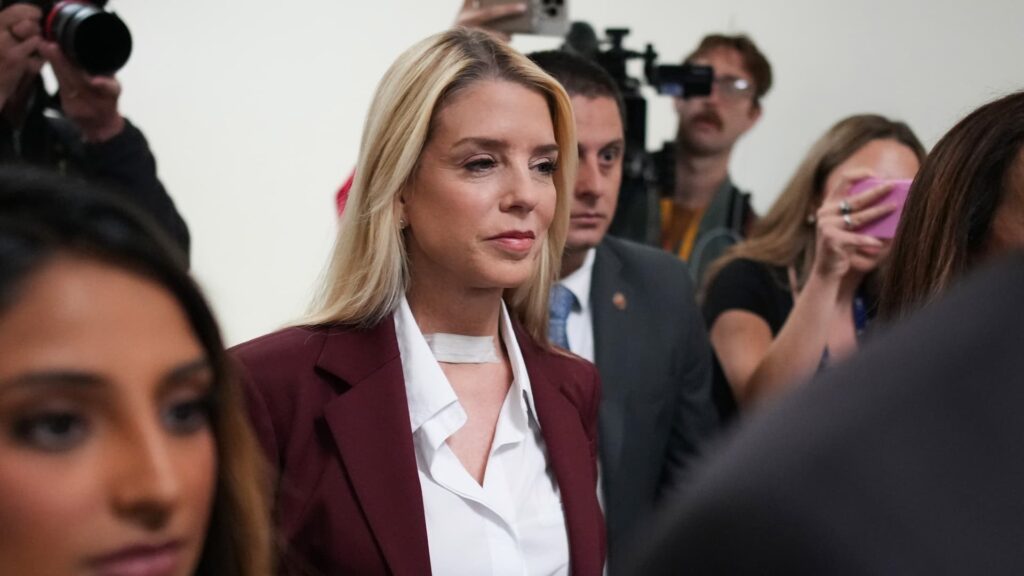
Table of Contents
A Defense of ‘Unprecedented’ Transparency
Former Attorney General Pam Bondi appeared before a House panel on Friday to defend the Department of Justice’s execution of the Epstein Files Transparency Act, a process that has become a flashpoint for accusations of political interference and administrative failure. In an opening statement obtained via transcript by MS NOW, Bondi maintained that the DOJ has met its legal obligations to the public, asserting that all required documents and evidence have been released to the best of her knowledge.
The proceedings were marked by immediate friction between party lines. While Bondi framed the DOJ’s efforts as a victory for openness, Democratic members of the House Oversight and Government Reform Committee slammed the Republican majority for failing to videotape the interview. The lack of a visual record has sparked a separate skirmish over government accountability, with critics arguing that the closed-door nature of the testimony shields the former AG from public scrutiny.
“Pam Bondi was at the heart of a White House cover-up and Oversight Chairman James Comer is working to hide her testimony from the American people,” said Sara Guerrero, a spokesperson for the committee’s Democrats.
The tension centers on whether the release of the files was a genuine effort toward justice or a curated exercise in optics. Democrats argue that the survivors of Jeffrey Epstein’s abuse and the general public deserve a transparent accounting of how the files were managed, alleging that the process was marred by intentional mismanagement.
The Redaction Gap and Delegated Oversight
During her testimony, Bondi did not claim the process was flawless. She conceded that there were “redaction errors” in the materials released to the public. In the context of high-profile federal disclosures, redactions are common to protect witness identities or national security, but in the Epstein case, the precision of these edits has been under intense scrutiny. The question remains whether these errors were accidental administrative lapses or strategic omissions.
Bondi further distanced herself from the granular details of the document review, stating that she did not personally conduct every aspect of the review process. Instead, she revealed that she delegated the primary oversight of the operation to Deputy Attorney General Todd Blanche.
The mention of Blanche adds a layer of complexity to the narrative. Blanche, a former criminal defense attorney for Donald Trump, is currently serving as acting attorney general. The delegation of such a sensitive task to a close legal associate of the President has fueled suspicions among opposition lawmakers that the review process was designed to protect specific interests rather than ensure total transparency.
Political Fallout and the Trump Connection
The professional relationship between Bondi and President Donald Trump has been volatile. Despite her claims of pride in the Department’s record, Bondi was fired by Trump in early April. Reports indicate the President was displeased with the handling of the Epstein files—a case involving a man who was once a longtime acquaintance of the President. This dismissal creates a paradoxical narrative: Bondi is defending a process that her own boss deemed insufficient to the point of termination.
Despite the firing, Bondi’s statement remained defiant, emphasizing the sheer scale of the disclosure. She noted that the DOJ produced nearly 3 million pages of material, including thousands of videos and hundreds of thousands of images. According to Bondi, this volume of data represents an unprecedented commitment to transparency directed by the Trump administration.
As the House Oversight Committee continues its probe, the focus is likely to shift toward the specific nature of the “redaction errors” Bondi admitted to and the exact role Todd Blanche played in filtering the evidence before it reached the public eye.