Oura Ring 5 Shrinks the Form Factor to Solve the Smart Ring Comfort Gap
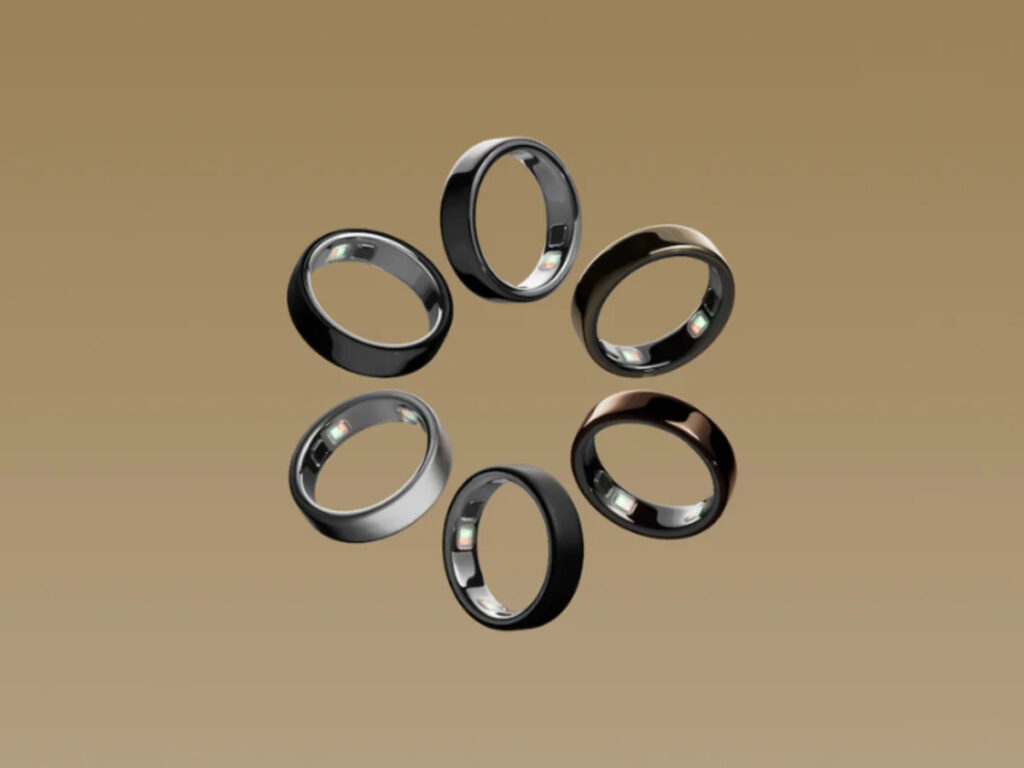
Table of Contents
The Battle Against Bulk
For years, the primary friction point for smart ring adoption hasn’t been the software or the subscription fees, but the physical presence of the hardware. Even the most streamlined biometric rings often feel like an industrial bolt on the finger, leading to discomfort during sleep or clashing with traditional jewelry. Oura is attempting to solve this with the Oura Ring 5, a device the company claims is 40% smaller than its predecessor.
The shift in dimensions is stark. The Oura Ring 5 now measures 6.09 mm in width and 2.28 mm in thickness. To put that in perspective, the Oura Ring 4 sat at a wider 7.9 mm and ranged between 2.88 mm and 3.51 mm in thickness. This isn’t just a marginal shave of the edges; it is a fundamental re-engineering of how the electronics are packed into a circular chassis.
According to Oura CEO Tom Hale, the development process was an exercise in reverse engineering. Rather than fitting sensors into a predefined shell, the team first established the “ideal size” for style and wearer comfort and then forced the battery and circuit architecture to fit those dimensions. The result is a profile that looks significantly closer to a standard wedding band than a piece of computing hardware.
Sensor Density vs. Physical Volume
The technical challenge of shrinking a wearable is that sensors usually require a certain amount of surface area and proximity to the skin to maintain signal integrity. Oura claims to have bypassed this limitation by introducing low-profile sensor domes. These domes are designed to maintain consistent skin contact even as the ring’s overall volume decreases, reducing the “gap” that often leads to noisy data in smaller rings.
Beyond the physical domes, the Ring 5 utilizes 12 distinct signal pathways. This redundancy is aimed at solving a long-standing issue in the wearables market: variance in accuracy based on finger type and skin tone. By diversifying the pathways the light-based sensors use to read blood flow and oxygenation, Oura is attempting to make the device more inclusive and reliable across a broader demographic of users.
Interestingly, Oura is leaning heavily into the “finger vs. wrist” debate. The company asserts that the pulse signal captured by the Ring 5 is up to 100 times stronger than that of wrist-based wearables, such as the Apple Watch or Fitbit, due to the higher density of arteries in the fingers compared to the wrist.
The GLP-1 Pivot and App Ecosystem
The hardware shrink is paired with a strategic software pivot. The most notable addition to the Oura app is the introduction of dedicated GLP-1 insights. With the meteoric rise of glucagon-like peptide-1 (GLP-1) receptor agonists—such as Ozempic and Wegovy—there is a growing demand for wearables that can track the physiological markers associated with these medications, such as changes in resting heart rate, sleep patterns, and metabolic shifts.
Additionally, iPhone users will see a more integrated experience with the debut of live activity tracking, moving Oura away from being a “passive” overnight tracker and closer to a real-time health monitor. This reflects a broader industry trend where health rings are trying to compete with the active utility of smartwatches while maintaining their discrete form factor.
Pricing and Availability
The Oura Ring 5 is available for pre-order now, with shipping expected to begin on June 4. The pricing structure remains tiered based on aesthetic choice: the Silver and Black finishes are priced at $399, while the Gold, Deep Rose, Brushed Silver, and Stealth options command a premium at $499.
One missing detail for enthusiasts: the ceramic finishes that appeared late in the Oura Ring 4’s cycle are absent from the initial Ring 5 launch. While Oura hasn’t confirmed if these will return, the current lineup focuses on metallic and PVD coatings.
For those who travel frequently, Oura is offering a separate portable charging case for $99, catering to the user who doesn’t want to carry a wall plug for their jewelry. Battery life is rated between six and nine days, which remains competitive despite the smaller battery required for the new chassis.