Onimusha: Way of the Sword First Impressions: Capcom Reinvents the Samurai Action-Horror Genre
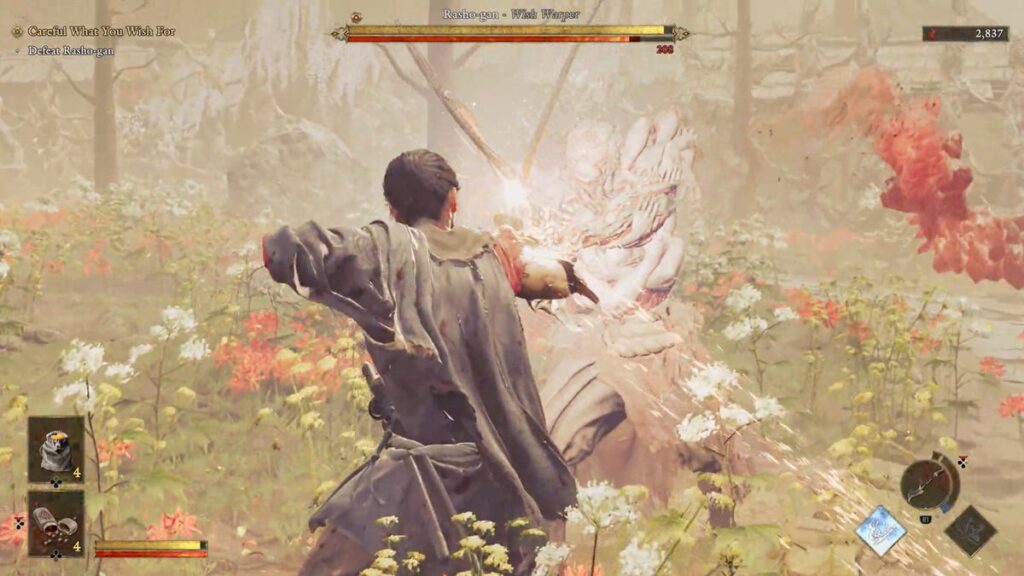
Table of Contents
A Subversive Return to the Oni-Slaying Roots
After nearly two decades of silence, Capcom is reviving one of its most distinctive franchises. During a hands-on session at Summer Game Fest, we spent an hour embedded in the world of Onimusha: Way of the Sword. While the surface-level appeal is the visceral, blood-soaked combat, the true revelation of this revival is the tonal shift. Capcom isn’t just bringing back a series; they are recontextualizing the samurai mythos for a modern audience accustomed to the grueling precision of ‘Soulslike’ titles.
- Subversive Protagonist: Miyamoto Musashi is portrayed not as a stoic saint, but as a rude, somewhat inept oaf, adding a layer of dark comedy to the horror.
- Accessible yet Deep Combat: The game allows for ‘hack-and-slash’ progression against mobs, but mandates precision parrying for boss encounters.
- The Issen Technique: A high-skill, frame-perfect counter-attack system that rewards extreme timing with devastating cinematic strikes.
- Atmospheric Worldbuilding: A blend of historical Japan and surrealist horror, featuring Genma demon soldiers and grotesquely altered villagers.
Characterizing the ‘Anti-Samurai’
For years, the gaming industry has been saturated with the ‘Honorable Warrior’ trope. From Sekiro: Shadows Die Twice to Ghost of Tsushima and the upcoming Ghost of Yotei, the archetype of the burdened samurai is well-trodden. Capcom’s gamble with Onimusha: Way of the Sword is to pivot away from this solemnity.
Playing as the legendary Miyamoto Musashi, the experience is surprisingly comedic. In one sequence, Musashi attempts to cross a river using a boat borrowed from the dancer Okuni (a nod to the founder of Kabuki). Instead of a moment of zen or strategic planning, Musashi openly complains about the utility of oars, questioning why a swordsman would ever need to paddle. This friction between Musashi’s peerless combat skill and his social incompetence creates a dynamic that separates this title from the dour atmosphere of FromSoftware’s offerings.
This characterization is reinforced by the Oni Gauntlet, the franchise’s signature artifact, which serves as a moral and behavioral compass, frequently attempting to curb Musashi’s poor manners. This internal conflict—the blade of a god wielded by a man of questionable intellect—gives the narrative a propulsion that simple revenge plots lack.
Combat Mechanics: The Balance of Brutality and Precision
The combat in Way of the Sword is designed with a ‘layered’ difficulty curve. In the demo, basic Genma soldiers could be dispatched with standard sword slashes, making the initial exploration feel fluid. However, this accessibility is a lure. As Producer Koichi Shibata noted in a closed-door briefing, the game is designed to humble players through its boss encounters.
The Defense Hierarchy
Navigating an encounter requires a quick understanding of four primary defensive actions:
- Standard Block: A safe option that mitigates damage but consumes stamina rapidly.
- Timed Parry: Essential for countering specific heavy attacks and creating openings.
- Dodge: Used for linear attacks that cannot be parried.
- Ranged Reflection: The ability to parry projectiles back at the attacker.
Mastering the Issen Technique
The Issen technique is the pinnacle of the game’s combat system. It is a high-risk, high-reward maneuver where the player must attack within a window of mere frames just before an enemy strike lands. When successful, the game produces a visual ‘shadow’ of Musashi, suggesting he has struck the enemy before the blow could even register. While difficult to trigger instinctively, it represents the transition from a casual player to a master of the blade.
Anatomy of a Boss Fight: The Shears Oni
The climax of the Summer Game Fest demo featured a confrontation with a grotesque Oni who had hypnotized villagers into allowing him to amputate their limbs with massive shears. This encounter served as a practical masterclass in the game’s rhythm. Initially, the boss’s elongated reach and erratic movements cause significant frustration. However, the telegraphing is far more readable than the rapid-fire attacks found in Elden Ring.
Success in this fight comes from ‘locking in’ to the boss’s cadence. Once the timing of the shears’ descent is memorized, the player can shift from a defensive posture to an offensive one. The satisfaction comes from the visceral feedback—the sound of steel meeting steel—and the ability to turn a near-death experience into a dominant victory through precise parrying.
Beyond the Blade: Secondary Systems
While the sword is the primary focus, Onimusha: Way of the Sword introduces a variety of utility items and weapons that are easy to overlook in the heat of battle. During the preview, the use of dual daggers was highlighted, which can carve out golden orbs used for health restoration. Additionally, a bow is available for disrupting wind-up attacks from a distance.
The game also features Defense Talismans and other consumables. Many players, myself included, tend to ignore these in favor of raw swordplay, but as the difficulty spikes in later stages, these systemic layers become critical for survival. The interplay between resource management and combat precision is a hallmark of the action-horror genre that Capcom is refining here.
The game is scheduled for release on September 25, with a free demo currently available for players to test the Issen technique for themselves.
What This Means for the Industry
The revival of Onimusha suggests that Capcom is looking to reclaim its space in the action-adventure market by blending the ‘hard-but-fair’ philosophy of modern challenge-games with the stylistic flair of the early 2000s. By introducing a protagonist who is intentionally flawed and comedic, they are avoiding the ‘samurai fatigue’ currently affecting the genre. If Way of the Sword succeeds, it may push other developers to move away from the stoic, silent protagonist in favor of more eccentric, character-driven narratives.
Frequently Asked Questions
When is Onimusha: Way of the Sword releasing?
The game is officially scheduled for release on September 25.
Is there a demo available for the game?
Yes, Capcom has released a free demo that allows players to experience the core combat and the Issen technique.
How does the combat differ from Sekiro?
While both emphasize parrying, Way of the Sword allows for more traditional hack-and-slash combat against minor enemies, whereas Sekiro requires a more rigid adherence to the deflect system for almost all encounters.
Who is the protagonist of the new Onimusha?
The player takes on the role of the legendary Japanese swordsman Miyamoto Musashi, though portrayed here with a more comedic and rude personality than in historical accounts.
What is the ‘Issen’ technique?
Issen is a frame-perfect counter-attack that occurs when the player attacks an enemy at the exact moment they are about to strike, resulting in a devastating cinematic blow.