Nvidia Moves Into the Laptop Market: The N1X Chip and the Birth of ‘RTX Spark’
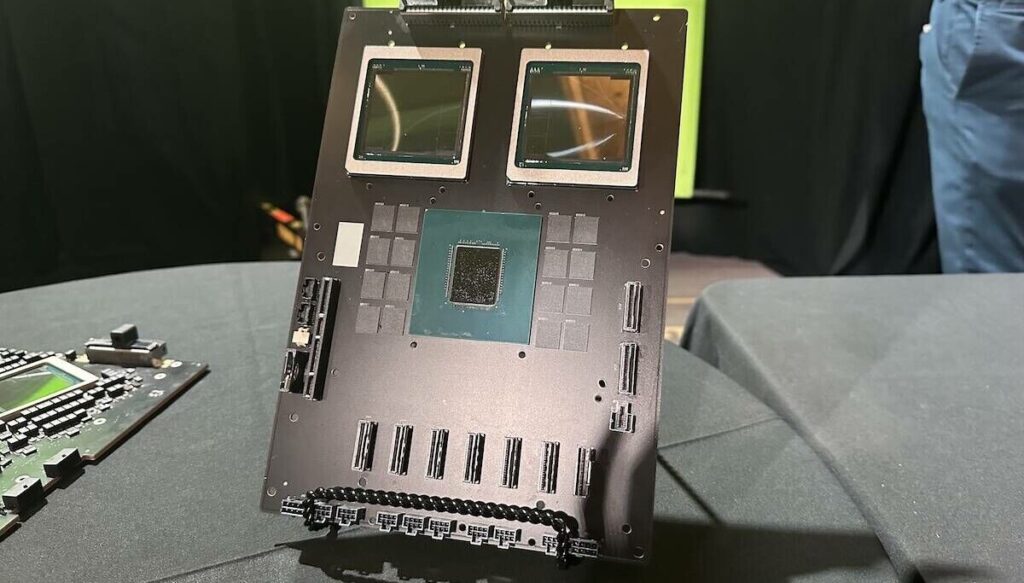
Table of Contents
The end of the Wintel era?
For decades, the personal computer has been defined by a predictable partnership: Windows software running on Intel or AMD silicon. But at COMPUTEX 2026, Nvidia CEO Jensen Huang signaled a definitive shift in that power dynamic. The company has officially unveiled the N1X, a high-end mobile processor that effectively migrates Nvidia’s data-center-grade AI power into the chassis of a consumer laptop.
Marketed under the RTX Spark banner, this new line of notebooks and mini PCs represents more than just another hardware launch. It is a strategic pivot. By combining an Arm-based CPU—co-designed with MediaTek—with a Blackwell-based GPU on a single die, Nvidia is attempting to bypass the traditional CPU bottlenecks that have long hindered local AI performance.
From the data center to the desk
The N1X isn’t a brand-new invention, but rather a refined evolution of the silicon found in the DGX Spark AI workstations. Those machines, which debuted at CES 2025 under the codename ‘Project Digits,’ served as a proof-of-concept for a miniaturized Grace Blackwell processor. The hardware is formidable: 20 ARMv9 CPU cores paired with a Blackwell GPU sporting 6,144 CUDA cores.
In terms of raw compute, Nvidia claims the N1X can hit 500 teraFLOPS of FP4 compute, jumping to 1 petaFLOP for workloads that leverage sparsity. While Nvidia’s use of “up to” suggests a tiered SKU system where lower-end models will have disabled cores, the headline feature is the 128 GB of unified memory. By allowing the CPU and GPU to share a massive pool of high-speed RAM, the RTX Spark eliminates the latency and data transfer hurdles typical of discrete GPU setups.
Bridging the gap between Linux and Windows
The most significant change isn’t the silicon, but the software. While the previous DGX Spark systems shipped with DGX OS (a customized Ubuntu 24.04), the RTX Spark line is designed specifically for Windows. This move allows Nvidia to target a much broader audience: high-end gamers and creative professionals who require the stability and app ecosystem of Microsoft.
For gamers, the implications are substantial. Nvidia claims the N1X can maintain 100 frames per second at 1440p in AAA titles, heavily supported by DLSS and other AI-driven upscaling technologies. For the creative class, the unified memory architecture is the real draw. A 90GB+ memory footprint allows for 12K video editing and complex 3D renders that previously required a full-sized rack server or a massive desktop workstation.
The Local AI Agent Play
Beyond gaming and rendering, the N1X is a play for the future of local AI. With the capacity to run 120-billion parameter Large Language Models (LLMs) locally—including the large context windows necessary for autonomous agents—Nvidia is positioning the RTX Spark as the definitive ‘AI PC.’
This hardware push aligns closely with Microsoft’s own trajectory. Huang hinted at a joint appearance with Microsoft CEO Satya Nadella at the upcoming Build conference, suggesting a deep integration between the N1X silicon and the next generation of Windows AI features.
Market Arrival and Pricing
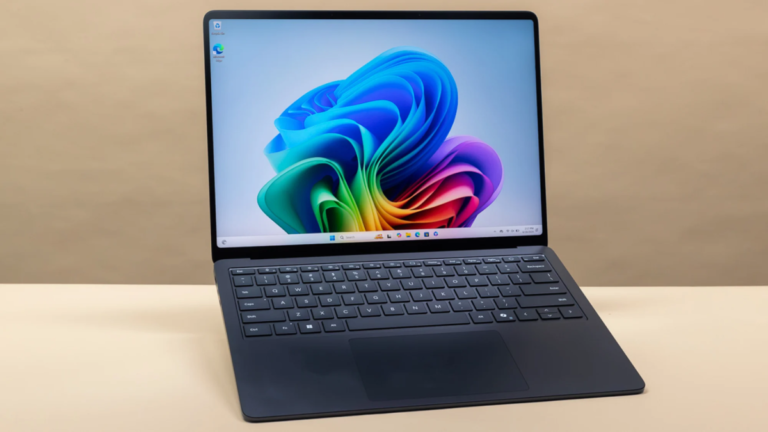
The hardware rollout will be extensive, with partnerships already confirmed among the industry’s biggest OEMs, including Asus, Dell, HP, Lenovo, and MSI. These systems will range from 14 to 16-inch notebooks featuring aluminum chassis and G-Sync enabled OLED displays.
Expect a premium price tag. While official pricing for the RTX Spark line has not been finalized, the precedent is set by the DGX Spark, which launched at $4,000 and has since climbed to $4,699 due to rising memory costs. It is unlikely that the consumer laptop versions will undercut those figures significantly, positioning the RTX Spark as a luxury tool for the elite developer and creator.