Nuro Bets on the ‘Second Mover’ Advantage in the Robotaxi Race
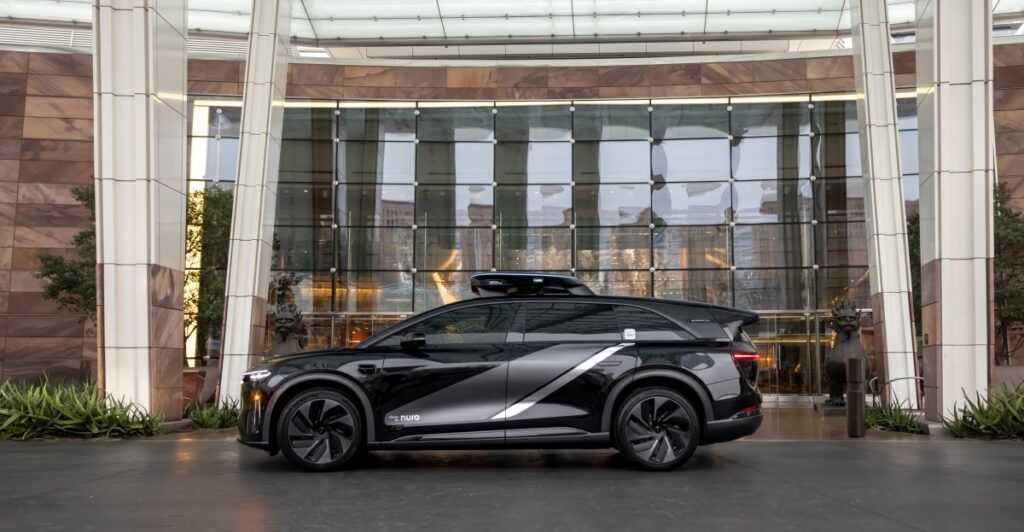
Table of Contents
Learning from the Leader
Waymo currently holds an undisputed lead in the autonomous ride-hailing sector, operating a fleet of over 3,000 driverless vehicles across ten U.S. cities. For most startups, being this far behind the Alphabet-owned giant would be a cause for alarm. But for Nuro, being the ‘second mover’ is a deliberate strategic choice.
After spending years focusing on the niche of autonomous delivery, Nuro pivoted toward passenger robotaxis in 2024. This shift was cemented by a high-profile partnership with Uber and Lucid, bringing in hundreds of millions of dollars in investment from the rideshare giant. The company is now eyeing a San Francisco launch later this year, having recently secured the first of several critical regulatory permits required to get its wheels on the road.
Dave Ferguson, co-founder and co-CEO of Nuro, argues that watching Waymo scale in real-time provides a blueprint—and a cautionary tale—that Nuro can use to refine its own technology. Rather than guessing which edge cases will plague a city-scale deployment, Nuro can analyze Waymo’s public stumbles and operational friction to ‘kick the tires’ on its own systems before they ever hit the pavement.
“There is a lot of value in this sort of classic second mover perspective,” Ferguson said. “In some of the rare cases where they’re having challenges, [Nuro is] using those to… make sure that it would behave in a way that we’re comfortable and proud of as well.”
The Uber-Lucid Integration
Nuro’s entry into the market isn’t just about software; it’s about a highly integrated hardware pipeline. Unlike many AV players that retrofit existing cars with bulky sensors and compute stacks, Nuro is working directly with Lucid to embed its technology into the production line of the Lucid Gravity SUV.
This arrangement creates a unique three-way ecosystem: Nuro provides the sensing and AI compute, Lucid handles the vehicle manufacturing, and Uber acts as the fleet owner and operator. The Gravity SUVs will roll off the factory floor already equipped with Level 4 autonomy and be sold directly to Uber, which will manage the depots and the physical infrastructure of the service.
This lean operational model allows Nuro to focus on the AI driving system while offloading the grueling logistics of fleet management to Uber. However, this partnership also means Nuro is stepping into the crosshairs of the current debate regarding remote assistance. As members of Congress have begun questioning the role of human overseers in AV fleets, Ferguson is quick to clarify that Nuro’s approach isn’t about ‘video game’ style remote driving.
According to Ferguson, remote assistance is more about providing prompts and guidance to a confused vehicle than actively steering it from a dark room. This distinction is critical as the industry faces increasing scrutiny over how much human intervention is actually happening behind the scenes of ‘driverless’ claims.
Beyond Incrementalism
While Nuro is late to the passenger game, Ferguson believes the technology is highly transferable from its delivery roots. He is also pushing back against the ‘ultra-incremental’ launch strategy used by many of its peers—where a service starts in a tiny, protected geofence and slowly expands over years.
While Nuro won’t conquer the entire South Bay on day one, Ferguson insists the service will be ‘broadly useful’ from the start. The goal is to launch with a wide operational design domain (ODD), avoiding the slow crawl of adding one intersection at a time.
Looking further out, Nuro intends to position its AI as a versatile platform. While the current focus is on the Uber partnership, the company aims to license its stack to other automakers for advanced driver-assist systems. By combining legacy, rules-based machine learning with modern end-to-end AI models, Nuro hopes to create a driving style that feels natural and safe, using its history as a sanity check against the unpredictability of pure AI approaches.


