Microsoft Surface Laptop Ultra Targets AI Power Users With NVIDIA RTX Spark Integration
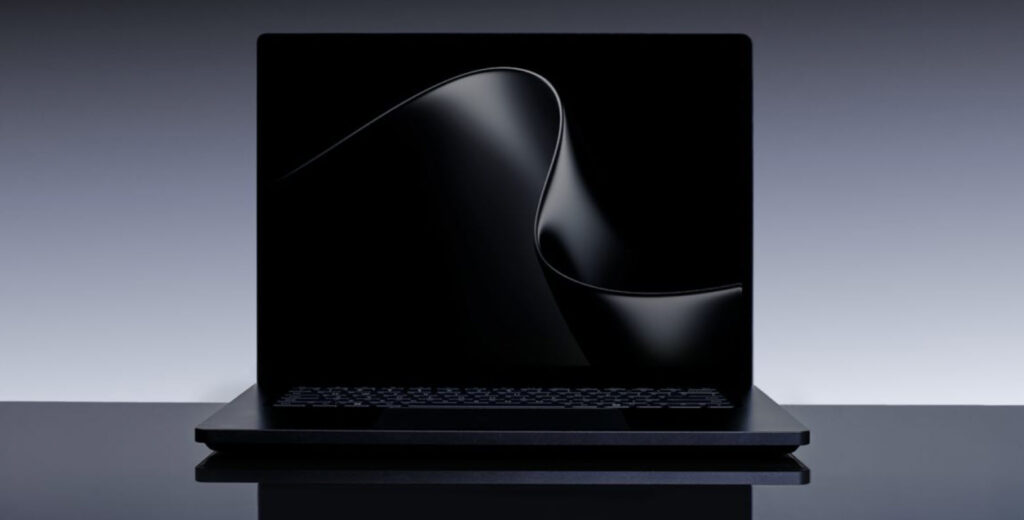
Table of Contents
A Pivot Toward High-Performance ARM Computing
Microsoft has used the Computex stage to signal a definitive shift in its hardware strategy, unveiling the Surface Laptop Ultra. While the Surface line has long toggled between portability and productivity, the Ultra is a transparent attempt to capture the ‘prosumer’ and developer market—specifically those who have grown frustrated with the trade-off between ARM-based efficiency and raw graphical horsepower.
The centerpiece of the machine is the NVIDIA RTX Spark, a new ARM-based CPU architecture that seeks to bridge the gap between low-power mobile computing and the heavy lifting usually reserved for discrete GPUs. By integrating the CPU and GPU capabilities into a more cohesive ARM fabric, Microsoft and NVIDIA are positioning the Laptop Ultra not just as a laptop, but as a local AI workstation.
Pushing the Boundaries of Local AI Execution
The hardware specifications suggest that Microsoft is preparing for a future where LLMs (Large Language Models) run locally rather than exclusively in the cloud. The Surface Laptop Ultra supports up to 128GB of unified memory, a figure that puts it in direct competition with the high-end MacBook Pro configurations. However, the real story lies in the software optimization.
Microsoft is introducing specific updates to Windows to better manage this unified memory pool. By raising the memory ceiling available to the GPU, Windows can now allocate significantly larger portions of RAM to local AI models, reducing the reliance on VRAM bottlenecks. Furthermore, the company is refining how Windows handles memory page sizes on unified systems, an architectural tweak aimed at reducing latency when swapping massive datasets between the CPU and GPU.
Display and Industrial Design
The visual experience is anchored by a 15-inch Mini LED PixelSense Ultra touchscreen. According to Microsoft, this is the brightest panel ever integrated into a Surface device, hitting a peak HDR brightness of 2,000 nits. This level of luminance makes the device viable for outdoor professional use and high-fidelity HDR color grading, though it will likely put a significant strain on battery life when pushed to the limit.
In a welcome departure from the minimalism of recent Surface models, the Ultra restores a robust set of I/O ports. Users will find HDMI, USB-C, USB-A, a full-sized SD card slot, and a dedicated audio jack, eliminating the need for the dongle chains that have plagued previous iterations. The chassis also houses the largest trackpad ever seen on a Surface device, emphasizing its role as a productivity powerhouse.
Thermals and the ARM Ecosystem Gap
The marriage of NVIDIA’s silicon and Microsoft’s hardware has resulted in the new Microsoft Power and Thermal Framework (MPTF). This framework is designed to optimize performance-per-watt, ensuring that the device doesn’t throttle aggressively during sustained AI workloads or heavy rendering tasks.
The software ecosystem remains the traditional hurdle for ARM transitions. Microsoft confirmed that industry staples like Adobe Photoshop and Premiere Pro now run natively on ARM and have been specifically optimized for the RTX Spark architecture. Gaming, however, remains a mixed bag. While the device can handle titles like League of Legends, Valorant, and PUBG, the broader library of x86 games will still rely on emulation layers, meaning performance parity with traditional gaming laptops isn’t quite here yet.
The Surface Laptop Ultra will be available in Platinum and Nightfall finishes. While Microsoft has withheld official pricing, the inclusion of 128GB of unified memory and a 2,000-nit Mini LED panel suggests a premium price point that will likely mirror the high-end workstation market.


