Marvel Tokon: Fighting Souls Brings Anime-Style Chaos to PlayStation with 4v4 Tag Combat
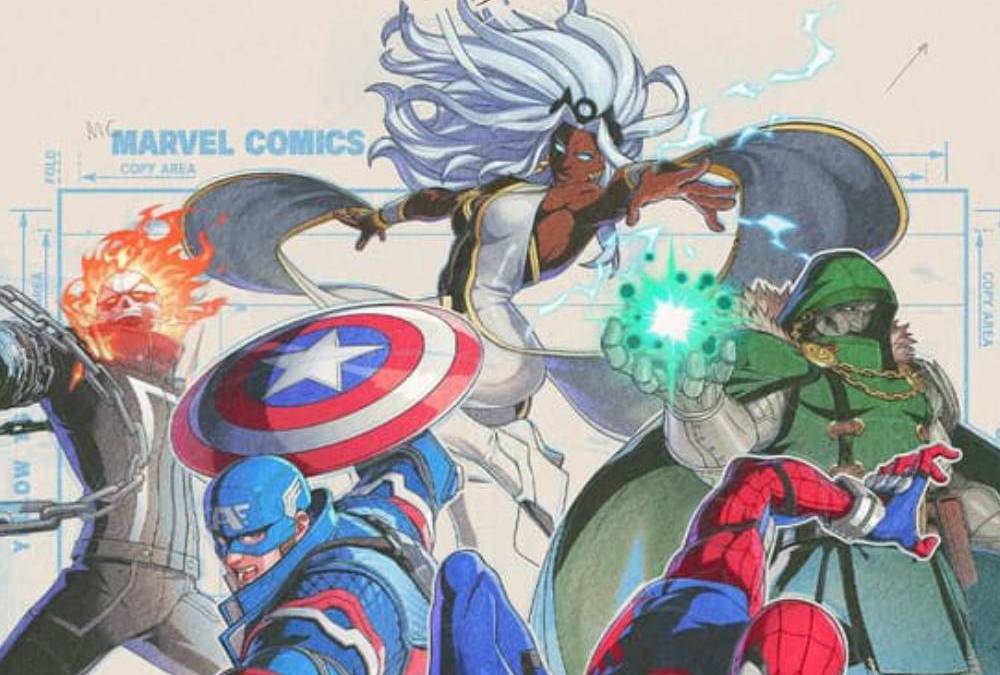
Table of Contents
A High-Stakes Partnership in 2D Combat
The fighting game community is no stranger to the intersection of comic book iconography and high-fidelity anime aesthetics, but the scale of the new collaboration between Arc System Works, Marvel Games, and PlayStation Studios is aiming for something more ambitious. Marvel Tokon: Fighting Souls has been officially unveiled, marking a significant departure from the traditional 1v1 or 2v2 formats that have dominated the genre for decades.
By leveraging the technical expertise of Arc System Works—the studio responsible for the visual revolution of Guilty Gear Strive and Dragon Ball FighterZ—the project brings a distinct, bold anime-inspired art style to the Marvel Universe. This isn’t just a cosmetic shift; it’s a fundamental reimagining of how Marvel’s heroes and villains are rendered, blending the kinetic energy of Japanese animation with the grit of American comic books.
Breaking the Mold with 4v4 Tag Action
The most disruptive element of Fighting Souls is its commitment to 4v4 tag team combat. While traditional tag fighters usually rotate between two or three characters, Tokon pushes the limit, requiring players to manage a full squad of four. This shift fundamentally alters the meta-game, forcing players to experiment with complex team compositions to unlock specific synergies and combo chains that wouldn’t be possible in a smaller roster format.
At launch, the game will feature an expanding roster of 20 iconic Marvel characters. While the full list remains partially under wraps, recent reporting indicates a heavy focus on diverse teams, including the core Avengers and a significant presence of the X-Men. The inclusion of 4v4 dynamics means that team-building is as much a part of the strategy as the frame-perfect execution of a special move.
Accessibility vs. Depth
Recognizing the steep learning curve often associated with Arc System Works titles, PlayStation Studios has pushed for a more intuitive control scheme. The game offers a dual-input system: traditional inputs for the fighting game veterans and “quick inputs” designed to let newcomers execute complex chain combos without memorizing exhaustive move lists. This hybrid approach suggests a desire to capture the casual Marvel fanbase while maintaining the competitive integrity required for the FGC (Fighting Game Community).
Beyond the Versus Screen
To prevent the game from being a pure competitive vacuum, Marvel Tokon: Fighting Souls introduces a dedicated single-player Episode Mode. Rather than a simple series of fights, this mode is designed to explore team dynamics and deeper lore, providing context for why certain characters are paired together and how their unique abilities interact within the narrative.
The online infrastructure is equally ambitious. The game features an online lobby capable of hosting up to 64 players, mirroring the social atmosphere of old-school arcade hubs. This suggests a move toward a more “live-service” feeling ecosystem where players can spectate high-level matches and challenge opponents in real-time.
The environmental design also plays a role in the combat. Dynamic stages based on iconic Marvel locales aren’t just backdrops; they feature interactive transitions that can shift a fight from one area of a map to another, keeping the pacing frantic and the visual spectacle high.
The Competitive Outlook
With a rating of Teen (for blood, language, and violence) and the inclusion of in-game purchases, the title is positioned as a cornerstone for PlayStation’s upcoming fighting game lineup. As the industry moves toward more integrated social hubs and flexible control schemes, Fighting Souls represents a gamble on whether a massive 4v4 format can sustain the precision required for professional tournament play without alienating the average player.


