Microsoft Refreshes Surface Lineup with AI-Centric Hardware and a Pivot Toward Repairability
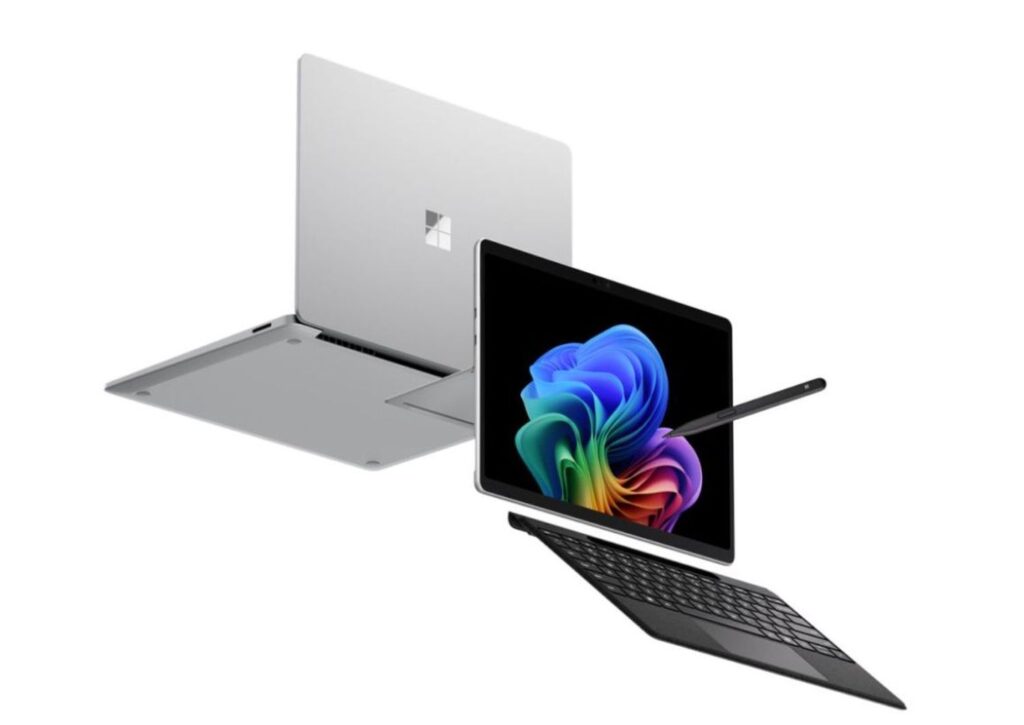
Table of Contents
A Shift Toward the Enterprise Edge
Microsoft has unveiled a sweeping refresh of its Surface ecosystem, targeting the professional market with a new suite of hardware designed to bridge the gap between traditional productivity and the burgeoning demand for local AI acceleration. The rollout includes the Surface Laptop in 13-inch, 13.8-inch, and 15-inch variants, alongside a refreshed 13-inch Surface Pro.
While the aesthetic remains quintessentially Surface, the internals signal a strategic pivot. All four devices launch with Intel’s latest Core Ultra Series 3 processors, though the real story lies in the roadmap. Microsoft has confirmed that Snapdragon X2-powered variants are slated for release later this year, a move that suggests the company is hedging its bets between Intel’s established ecosystem and the battery-sipping efficiency of ARM-based architecture for Copilot+ PC functionality.
Haptics and Privacy: The New Surface Standard
The most tangible upgrades are concentrated in the 13.8-inch and 15-inch Surface Laptops. Microsoft is introducing a software-integrated privacy screen on select models, effectively bringing the electronic privacy filters seen in high-end smartphones to the laptop form factor. This allows IT administrators to enforce privacy protocols remotely or lets users toggle the screen’s viewing angles on the fly, a critical feature for those working in open-office environments or high-security sectors.
More notable for the power user is the overhaul of the trackpad. The larger laptops now feature a redesigned haptic feedback system integrated with Windows 11. Rather than a mechanical click, the trackpads use actuators to simulate tactile responses when snapping windows or dragging elements. It is a refinement that mirrors the direction Apple took with the MacBook line years ago, finally bringing a more precise, consistent feel to the Surface hardware.
The Portability Play and the Pro’s Quiet Update
The 13-inch Surface Laptop is being positioned as the ultraportable alternative. It maintains a competitive edge with Wi-Fi 7 support and, crucially, a removable Gen 4 SSD, addressing a long-standing criticism regarding the limited expandability of small-form-factor Surface devices. Interestingly, Microsoft is offering a tiered entry point here: a fully equipped model at $1,499, and a more budget-conscious 8 GB RAM version priced at $1,299, though the latter notably lacks the specialized hardware required for full Copilot+ AI capabilities.
The Surface Pro 13-inch, meanwhile, is a more conservative affair. The update is primarily a “chip swap,” replacing older silicon with the Core Ultra Series 3. Notably, the Pro misses out on the new haptic trackpad experience found in the Laptops, suggesting Microsoft is treating the Laptop line as the primary vehicle for its current hardware innovation.
Breaking the ‘Disposable’ Cycle
Perhaps the most significant change isn’t a spec, but a philosophy. Microsoft is leaning heavily into sustainability and repairability—areas where the company has historically struggled. The new chassis for the Pro and the larger Laptops are constructed from 100% recycled aluminum.
Beyond the materials, Microsoft claims a reduction in adhesive usage and a more intuitive internal layout. By making nearly every major component replaceable with common tools, Microsoft is attempting to align its hardware with enterprise procurement standards that favor longer device lifespans over frequent replacement cycles.
These upgrades come with a premium. Flagship business configurations, starting with the Intel Core Ultra 5 and 16 GB of RAM, are priced at $1,949. Microsoft has attributed this price hike to the increased cost of AI-capable silicon and the engineering shift toward modular, repairable internals.


